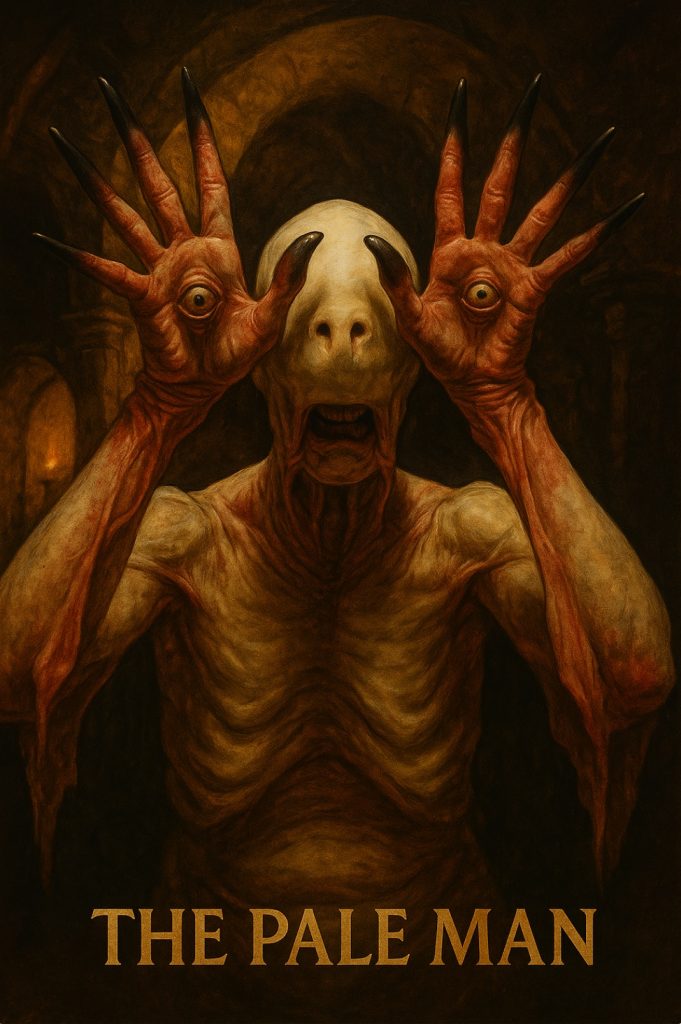
Also Known As: The Pale Man, The Child Eater, The Feast Guardian
First Appearance: Pan’s Labyrinth (2006)
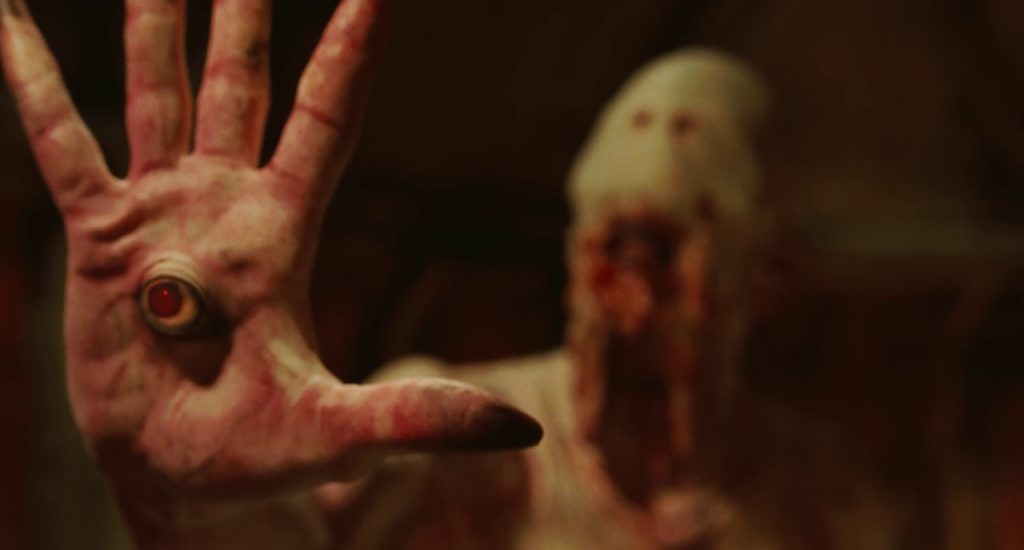
Most Iconic Form: A gaunt, sagging creature with loose skin and eyes embedded in the palms of its hands
Kill Count: Several children long before the film, with one on screen
Portrayed by: Doug Jones
Tier: Second Class Tier
Pan’s Labyrinth (2006)
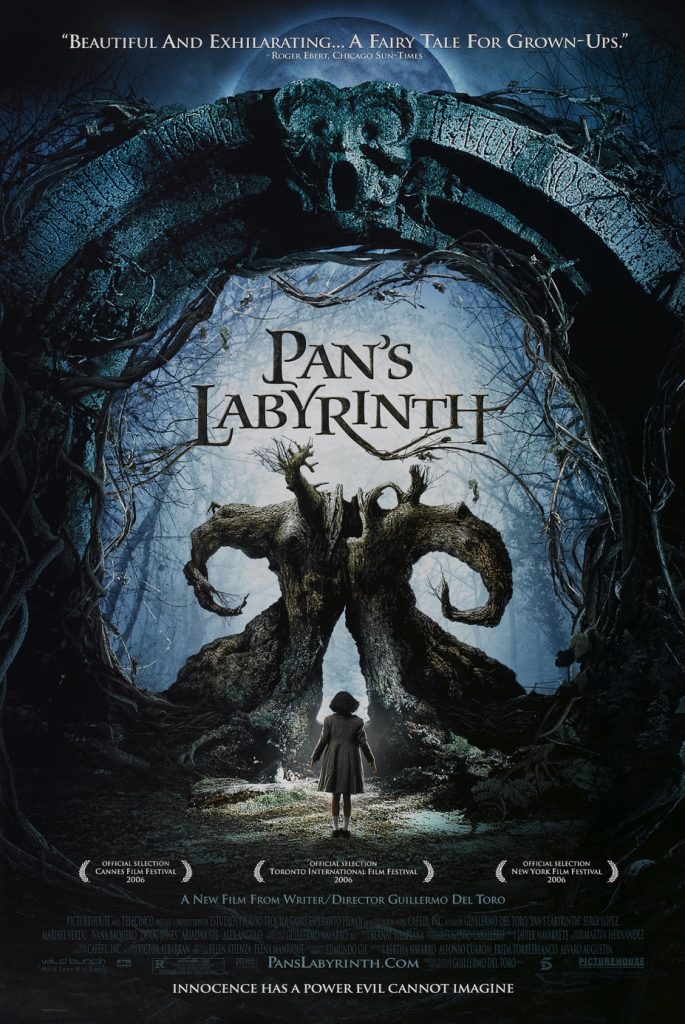
Directed by Guillermo del Toro, Pan’s Labyrinth weaves fantasy, horror, and political tragedy into one of the most haunting films of the twenty first century. In its labyrinth of monsters and symbols, none is more unforgettable than The Pale Man, a creature who appears only briefly yet leaves an impact as powerful as any full length antagonist.
The Pale Man resides in a silent banquet hall deep beneath the earth, surrounded by stillness and decay. The room is furnished with rich tapestries and an endless table of food, yet no one eats. It is a shrine built to temptation and punishment, and the monster at its centre embodies both.
He sits motionless at the head of the table, his body sagging and skeletal, his limbs long and wrong, and his face loose and featureless. His eyes sit on a plate in front of him, waiting to be placed into the palms of his hands, giving him sight only when he chooses to see. The result is one of the most unsettling creature designs in modern cinema, both grotesque and elegant in its simplicity.
When Ofelia, the young protagonist, ventures into this chamber on a quest, she is warned not to eat anything from the table. Her disobedience awakens the Pale Man, and the hall transforms from eerie silence to frantic horror. As he rises, he places his eyes into his palms and holds his hands before his face as if framing the world he intends to devour.
His movements are slow but deliberate, like a predator certain that its prey cannot escape. He is not a beast of rage but of ritual. The Pale Man does not chase Ofelia with chaos, but with dreadful purpose, gliding across the floor with the quiet patience of death itself.
The creature is revealed to have consumed children in the past, as evidenced by the pile of tiny shoes stacked beside him. It is one of the most shocking images in the film, suggesting a genocide carried out with ritualistic regularity. The Pale Man’s appetite is not hunger, but habit, a cycle of feasting and waiting that continues eternally.
Ofelia escapes, but only because of the magical aid she receives. Left undisturbed, the Pale Man returns to his dormant state, waiting for the next child bold enough or foolish enough to enter his domain. Del Toro never explains his origins, leaving him as a nightmare without context, a symbol rather than a character.
Symbolism and Interpretation
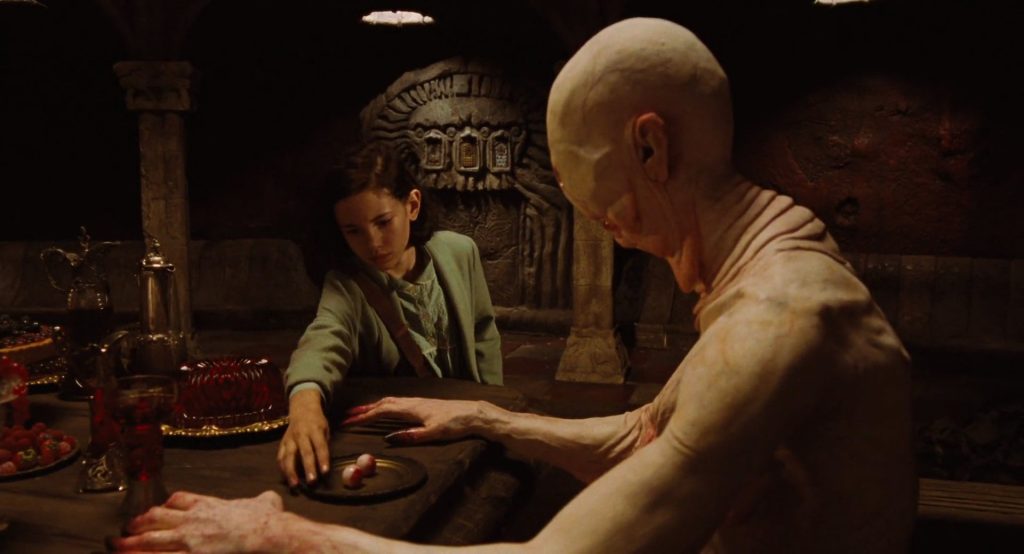
The Pale Man is one of del Toro’s most significant symbolic creations. He is often interpreted as a representation of authoritarian cruelty, religious oppression, or the devouring nature of fascism that runs through the film’s historical backdrop. His banquet, untouched yet always present, mirrors the excess of the powerful who feast while the innocent suffer.
The pile of shoes recalls real world horrors, invoking imagery from the Holocaust and other atrocities where children were consumed metaphorically or literally by systems of violence. The creature’s lack of eyes on its face suggests wilful blindness, a refusal to see suffering until he chooses to confront it directly.
Yet the Pale Man remains open to interpretation. He is the fear of disobedience, the punishment for curiosity, the embodiment of hunger without reason. His silent domain and ancient design evoke the idea that some horrors do not need explanation. They simply exist, feeding through generations.
Design and Legacy

Doug Jones’s performance, combined with practical effects and del Toro’s visual craftsmanship, created a creature that became instantly iconic. The Pale Man’s design is deceptively simple but profoundly effective: loose skin, elongated fingers, sagging folds, and the unsettling placement of eyes on the hands.
He has become a symbol of modern dark fantasy, appearing on posters, art, and academic analyses worldwide. Even in a film filled with monsters and nightmares, the Pale Man stands alone as one of the most frightening and memorable beings ever committed to screen.
League Placement
The Pale Man belongs in the Second Class Tier. He is a creature of mythic dread, a horror that exists beyond time and reason. Though he appears only briefly, his presence defines the very nature of fear in Pan’s Labyrinth, making him one of cinema’s most enduring monsters.