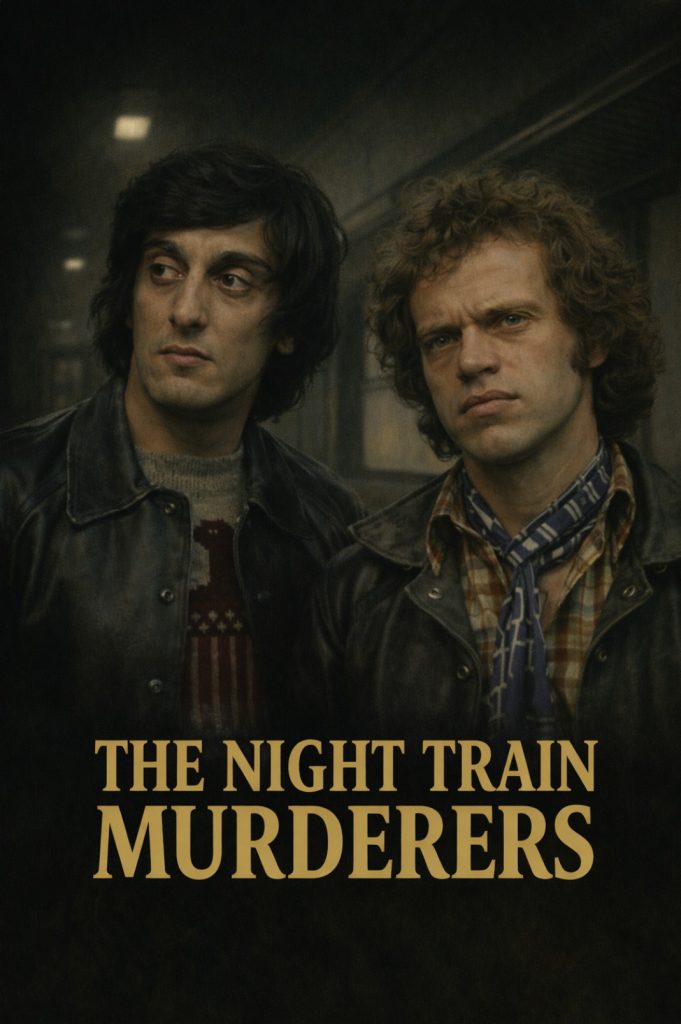
Also Known As: The Night Train Murderers, Blackie and Curly
First Appearance: Night Train Murders (1975)
Most Iconic Form: Two sadistic criminals who turn a long distance train journey into a moving chamber of cruelty
Kill Count: At least three confirmed victims, with multiple assaults
Portrayed by: Gianfranco De Grassi as Blackie and Enrico Maria Salerno as Curly
Tier: Third Class Tier
Night Train Murders (1975)
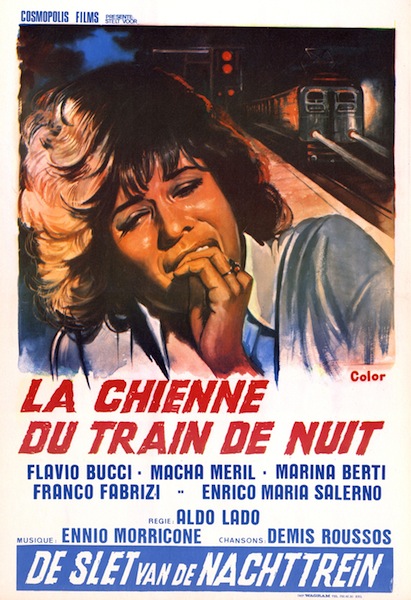
Directed by Aldo Lado, Night Train Murders is one of the most notorious exploitation films of the nineteen seventies. Inspired by The Last House on the Left and rooted in the era’s fascination with transgressive cinema, the film unfolds almost entirely aboard a train travelling across Europe on Christmas Eve. What begins as an ordinary journey becomes a prolonged ordeal of humiliation, violence, and moral collapse.
At the heart of this nightmare are The Night Train Murderers, two criminals known as Blackie and Curly. They are introduced as disruptive passengers, crude and antagonistic, but their true nature emerges gradually. Unlike masked slashers or silent predators, these men are loud, vulgar, and disturbingly charismatic. They thrive on intimidation, using words as weapons long before they turn to physical violence.
Blackie is the dominant figure. He is aggressive, impulsive, and openly sadistic, delighting in the fear he provokes. His cruelty is immediate and unfiltered, driven by a need to assert power over anyone he encounters. Curly, by contrast, is quieter and more controlled. He presents himself as calm and almost polite, but this restraint masks a deeper and more insidious cruelty. He manipulates situations, encouraging Blackie’s excesses while maintaining a façade of composure.
The victims of their violence are two young women travelling alone. Over the course of the journey, Blackie and Curly isolate them from other passengers through intimidation and social pressure. The confined space of the train amplifies the horror. There is no escape, no authority figure willing to intervene, and no interruption to the men’s escalating abuse.
The violence inflicted by the Night Train Murderers is prolonged and dehumanising. It is not motivated by necessity or survival, but by entitlement and boredom. Their actions reflect a worldview in which other people exist purely for their amusement. The film forces the audience to confront the discomfort of watching cruelty unfold in a space where normal social rules have collapsed.
After the train reaches its destination, the horror does not end. The killers’ actions trigger a cycle of vengeance that mirrors the brutality they inflicted, blurring the line between justice and savagery. The final act suggests that violence, once unleashed, spreads indiscriminately, contaminating victims and perpetrators alike.
Blackie
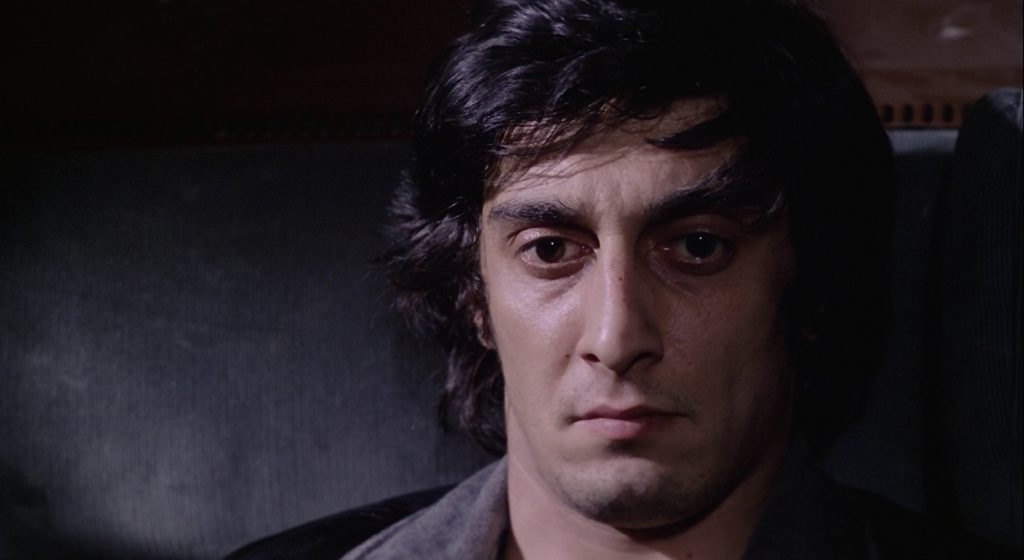
Blackie represents raw aggression. He is volatile, physically imposing, and fuelled by impulse. His cruelty is obvious and performative, intended to dominate through fear. He enjoys being seen, heard, and remembered. His violence is direct, often explosive, and driven by the need to feel powerful in a world he believes owes him something.
Blackie is the visible face of the Night Train Murderers. He is the one who draws attention, creates chaos, and intimidates others into silence.
Curly
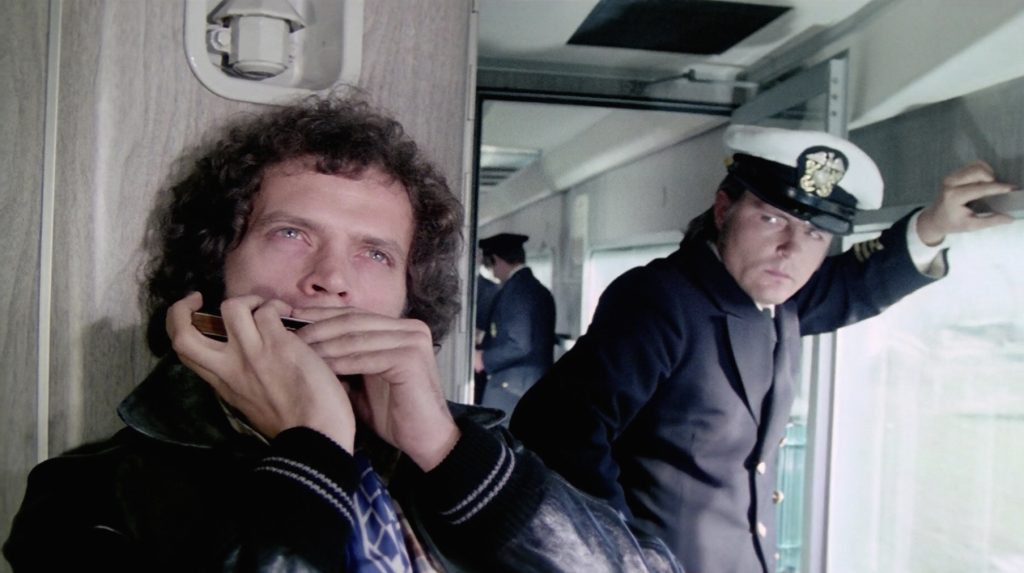
Curly is far more unsettling. He is intelligent, articulate, and calculating. While Blackie lashes out, Curly plans. He understands how to exploit social politeness and passivity, using calm speech and controlled behaviour to disarm suspicion. His cruelty is quieter but no less severe.
Curly often appears to restrain Blackie, but this is an illusion. He enables the violence by steering it, choosing moments and victims, and maintaining control over the situation. He represents the banality of evil, the idea that the most dangerous individuals are often those who appear reasonable.
Themes and Impact

The Night Train Murderers embody exploitation cinema at its most confrontational. They are not mythic figures or symbolic monsters. They are representations of unchecked entitlement, misogyny, and societal indifference. The film’s setting transforms everyday travel into a space of vulnerability, suggesting that horror does not require isolation or darkness. It can occur in plain sight.
Their lack of disguise or supernatural traits makes them deeply uncomfortable antagonists. They are recognisable, plausible, and horrifyingly human.
Legacy
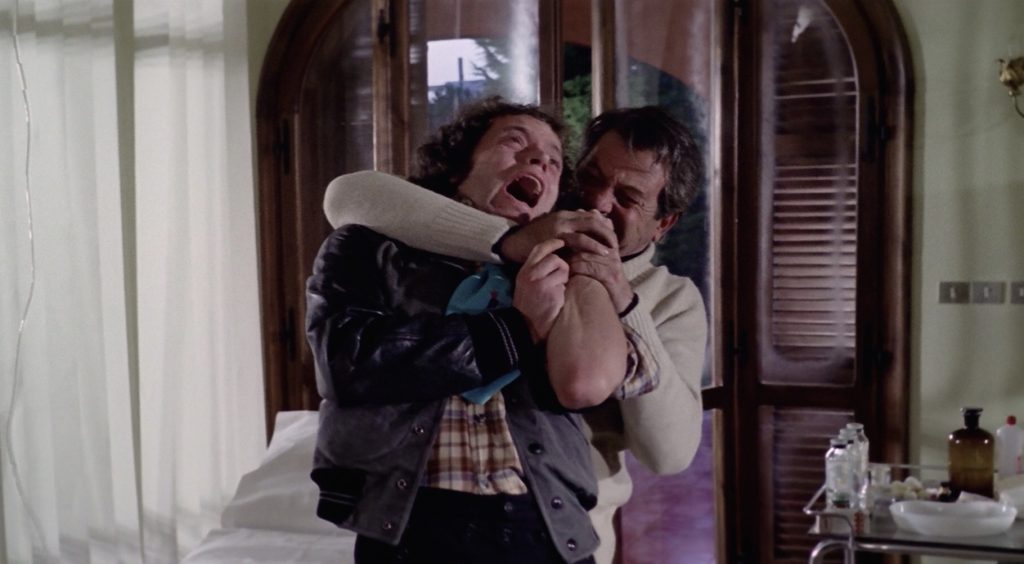
Night Train Murders remains one of the most controversial films of its era, frequently debated for its graphic content and moral ambiguity. Blackie and Curly are central to that legacy. They are remembered not for elaborate kills or iconic costumes, but for the sustained cruelty they represent.
They stand as grim reminders of a period in cinema when filmmakers pushed boundaries to confront audiences with the ugliest aspects of human behaviour. Their presence continues to unsettle, long after the train reaches its final stop.
League Placement
The Night Train Murderers belong in the Third Class Tier. They are grounded human predators whose horror lies in realism rather than legend, defined by cruelty, manipulation, and the abuse of power within confined spaces.