Also Known As: The Night Flier, Dwight Renfield
First Appearance: The Night Flier (1997)
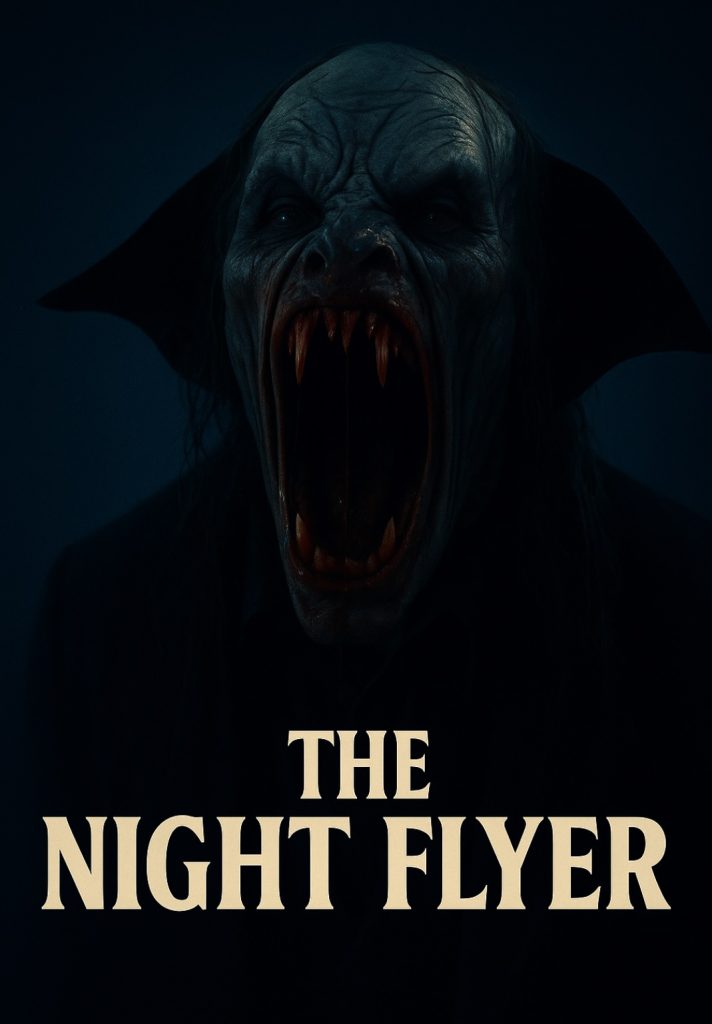
Most Iconic Form: A tall, pale vampire pilot with batlike features who flies a black Cessna Skymaster from one deserted airfield to another
Kill Count: At least seven confirmed victims
Portrayed by: Michael H. Moss and Miguel Ferrer (as Richard Dees)
Tier: Third Class Tier
The Night Flier (1997)
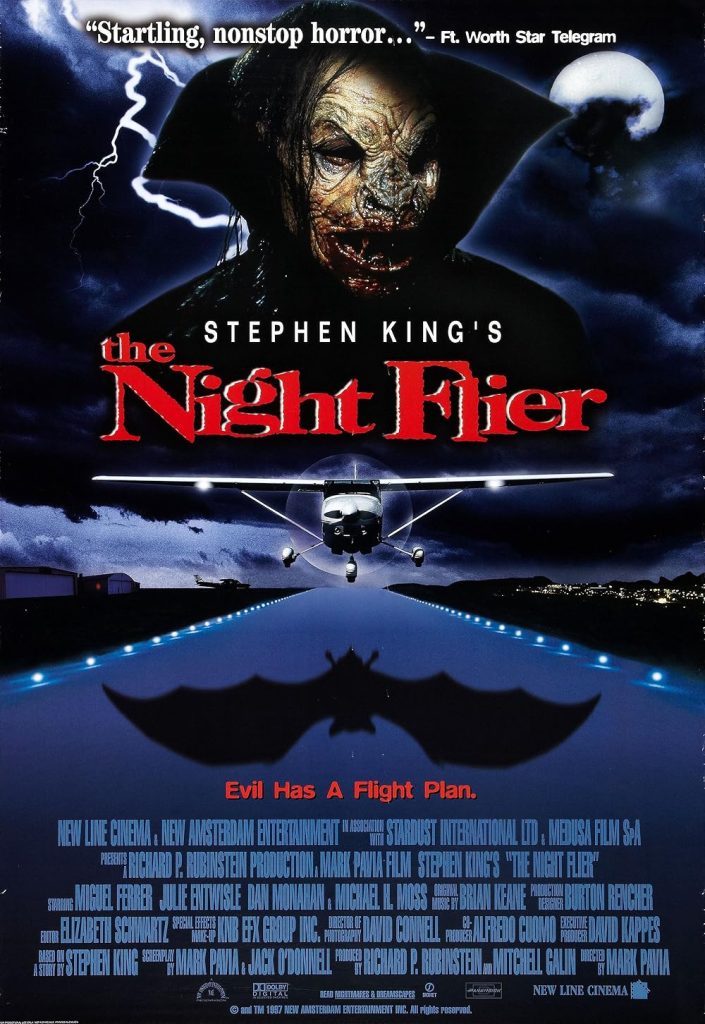
Directed by Mark Pavia and adapted from Stephen King’s short story of the same name, The Night Flier fuses supernatural horror with grim American realism. The story follows Richard Dees, a cynical tabloid journalist working for Inside View, who is sent to investigate a string of mysterious killings at small airfields across the country.
The killer, known only as The Night Flier, travels by plane under cover of darkness, leaving behind victims drained of blood and surrounded by strange signs of ritual. Dees, desperate for a headline and the notoriety that comes with it, begins to chase the story, tracing the Flier’s flight path from one isolated airstrip to the next.
Each stop grows more disturbing. Corpses are found slumped in cockpits, their throats torn open. Pilots whisper of a black Cessna that lands without radio contact, its pilot dressed in black, with a voice as calm as it is cold. The film’s growing tension lies not only in what the Flier does, but in how Dees reacts. His obsession turns the hunt into a mirror. The more he follows the killer, the more he resembles him.
The film’s final act brings Dees face to face with the creature he has been pursuing. The Flier is revealed as Dwight Renfield, a vampire who uses modern technology to preserve ancient secrecy. His face, batlike and tragic, is a mask of hunger and patience. He warns Dees to turn back, to stop feeding on death for profit, but the journalist refuses. The Flier then stages a massacre, covering the airport terminal in blood, before vanishing into the storm. When the police arrive, they find only Dees, alive but deranged, his camera covered in gore. He has become the monster he sought to expose.
Identity and Nature
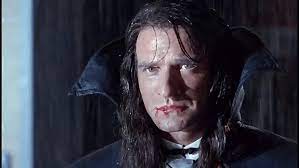
Dwight Renfield is one of the most original vampires in modern horror. Unlike the aristocratic bloodsuckers of Gothic fiction, he is solitary, nomadic, and pragmatic. His use of a plane makes him a predator perfectly adapted to a restless age — an immortal creature gliding above humanity, untouched yet ever present.
His chosen name, drawn from Bram Stoker’s Dracula, suggests that he embraces his lineage yet refuses its theatrics. He kills without malice or indulgence, feeding only when necessary and leaving quickly. The violence he commits is deliberate, never chaotic.
Renfield exists in a strange moral space. He understands the horror of his own existence but accepts it without guilt. His warning to Dees shows a measure of insight: he recognises that men like the journalist are as parasitic as he is. Both consume suffering to sustain themselves, though one drinks blood and the other lives off tragedy.
Themes and Symbolism
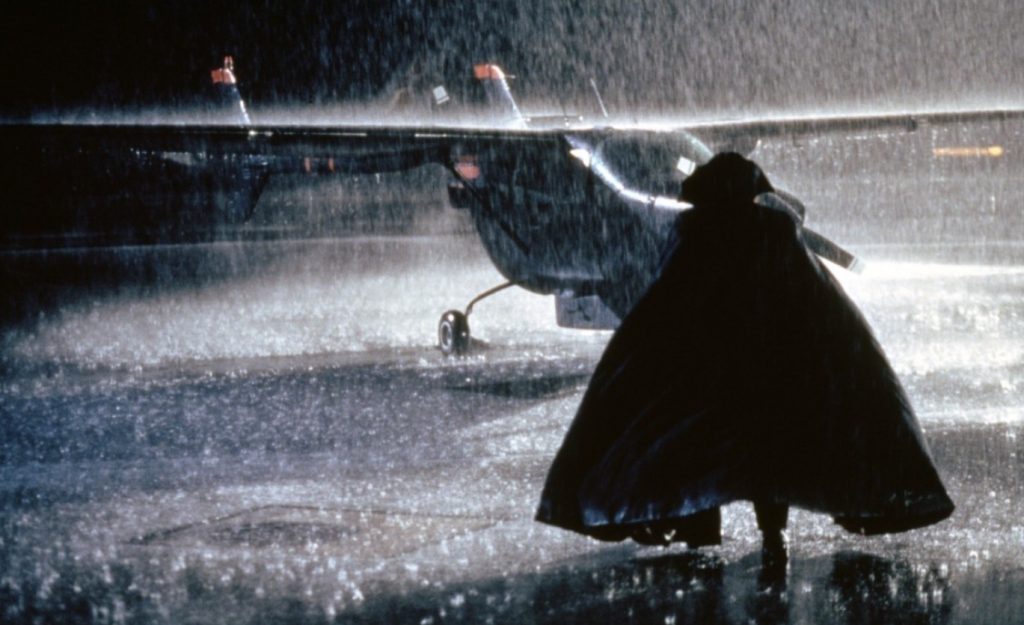
At its heart, The Night Flier is a story about hunger — physical, moral, and existential. Dees and Renfield represent two sides of the same emptiness. One feeds on corpses, the other on headlines. The film’s world is soaked in decay and cynicism, a place where truth is no longer sacred and death has become entertainment.
The vampire’s plane serves as a perfect metaphor for detachment. It keeps him above the world, unburdened by consequence or connection. The airfields, small and forgotten, symbolise the spaces where modern civilisation fades and myth survives. Every time the Flier lands, the old world briefly touches the new, and horror takes flight again.
The story’s bleak ending completes the circle. Dees’s final madness shows that curiosity and ambition can be more destructive than any supernatural force. Evil is not only in the skies but in the mirror.
Cultural Impact
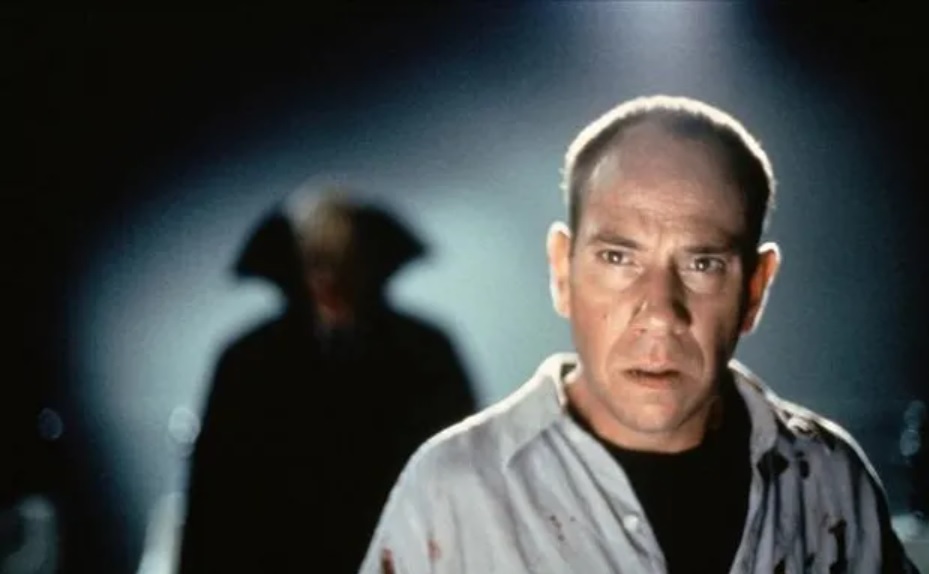
Though The Night Flier did not achieve major commercial success, it became a cult classic among Stephen King fans. Its stark tone and moral weight distinguish it from the louder horror of the late 1990s. Critics later praised its atmosphere, practical effects, and refusal to offer comfort.
Miguel Ferrer’s portrayal of Richard Dees stands as one of his finest performances. He brings weary cynicism and self-loathing to the role, grounding the supernatural in the grime of reality. Michael H. Moss’s silent, physical performance as the vampire contrasts beautifully with Ferrer’s aggression. Together, they form one of the most memorable duels in King’s cinematic canon.
The film’s practical creature design by Steve Johnson remains striking. The Flier’s leathery wings, red eyes, and weathered face evoke both pity and dread. He is not romanticised but rendered with the realism of an ancient predator still adapting to a new world.
League Placement
The Night Flier belongs in the Third Class Tier. His story is contained and complete, yet powerful in its melancholy. A creature of blood, sky, and solitude, he represents the death of myth in the age of machines — a reminder that even in a world of satellites and headlines, something ancient still flies above the clouds.