Also Known As: The Langoliers, The Eaters of Time
First Appearance: The Langoliers novella in Four Past Midnight (1990)
Most Iconic Form: Grotesque spherical creatures that consume abandoned reality
Kill Count: Entire dead timelines consumed
Created by: Stephen King
Tier: Third Class Tier
The Langoliers novella (1990)
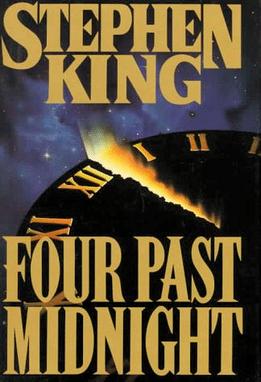
Stephen King’s The Langoliers was first published as part of the collection Four Past Midnight and remains one of his most imaginative explorations of time, reality, and entropy. Rather than presenting a traditional killer, King introduces a concept of cosmic predators that exist beyond human understanding.
The story follows a group of passengers who awaken mid flight to find their aeroplane empty except for themselves. When the plane lands, they discover that the world around them is eerily lifeless. Food has no taste, sound does not echo properly, and energy itself seems drained. Time has stopped.
It is gradually revealed that the group has slipped into a leftover pocket of reality, a place that exists after the present has moved on. This abandoned version of the world is not meant to persist. It is scheduled for consumption.
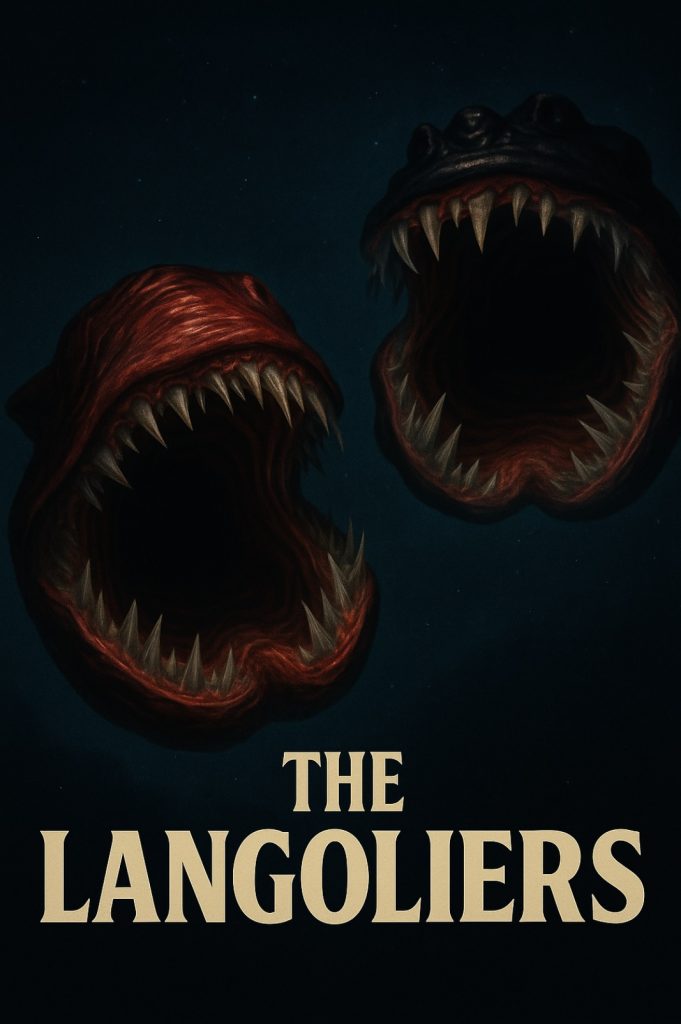
The Langoliers are the agents of that process. They arrive once time has moved forward, devouring everything left behind. In the novella, they are described as spherical creatures covered in spines, with snapping teeth and a ravenous hunger. They do not kill out of malice or intention. They consume because that is their function.
When the creatures finally appear, they do not hunt individuals so much as strip the world itself apart. Buildings crumble as they are eaten. The ground collapses. Reality disintegrates. Humans are insignificant by comparison, existing only as obstacles in a cosmic clean up operation.
King presents the Langoliers as terrifying not because they are violent, but because they are inevitable. They represent the idea that time leaves nothing behind, and that anything no longer needed is erased without ceremony.
The Langoliers television film (1995)
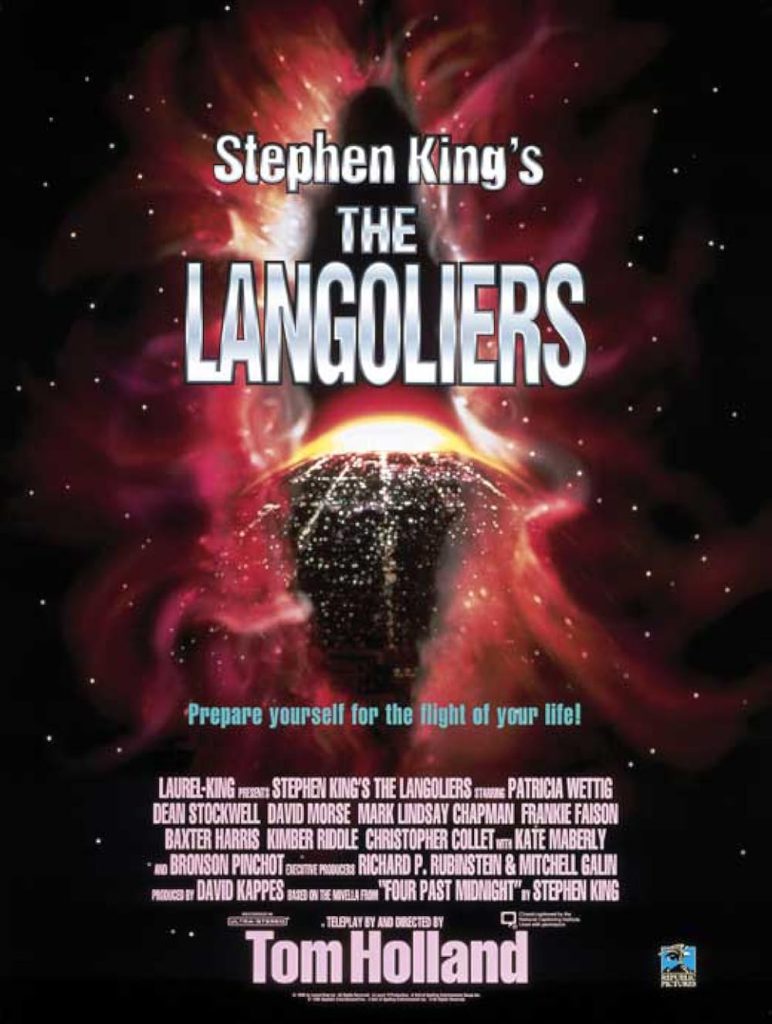
The story was adapted into a television miniseries in 1995, directed by Tom Holland and broadcast by ABC. The film starred Dean Stockwell, Bronson Pinchot, Kate Maberly, and David Morse, and brought King’s high concept story to a mainstream audience.
The adaptation remains largely faithful to the novella in terms of plot and themes. The characters awaken on an empty plane, land in a deserted airport, and slowly piece together the nature of the frozen world they now inhabit. The explanation of time as a series of frames rather than a continuous flow is preserved, helping audiences understand how the characters slipped between moments.
The Langoliers themselves are portrayed using early computer generated imagery. Their design follows King’s description, but the execution has become infamous over time. While unsettling in concept, their visual presentation lacks the weight and menace suggested in the book. Despite this, their role in the story remains effective, particularly in the way they tear apart the environment rather than focusing solely on human victims.
The film emphasises the ticking clock aspect of the narrative. Once the group realises what the Langoliers do, survival becomes a race against erasure. They must find a way back to the present before the world they occupy is completely consumed.
Although often criticised for its effects, the adaptation is remembered fondly for its performances, atmosphere, and commitment to King’s ideas. It has become a cult favourite among fans of nineties television horror.
Nature and Meaning
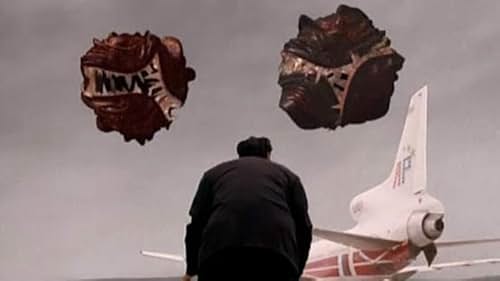
The Langoliers are not villains in the traditional sense. They do not plan, stalk, or take pleasure in destruction. They are a function of the universe, acting as custodians that erase what time no longer requires.
They represent entropy made physical. Everything fades, decays, and disappears. The Langoliers simply accelerate that truth. Their presence removes any illusion of permanence, reminding humanity that even reality itself is temporary.
This makes them deeply unsettling. There is no reasoning with them, no defeating them, and no escaping their purpose. Survival depends entirely on timing.
Legacy
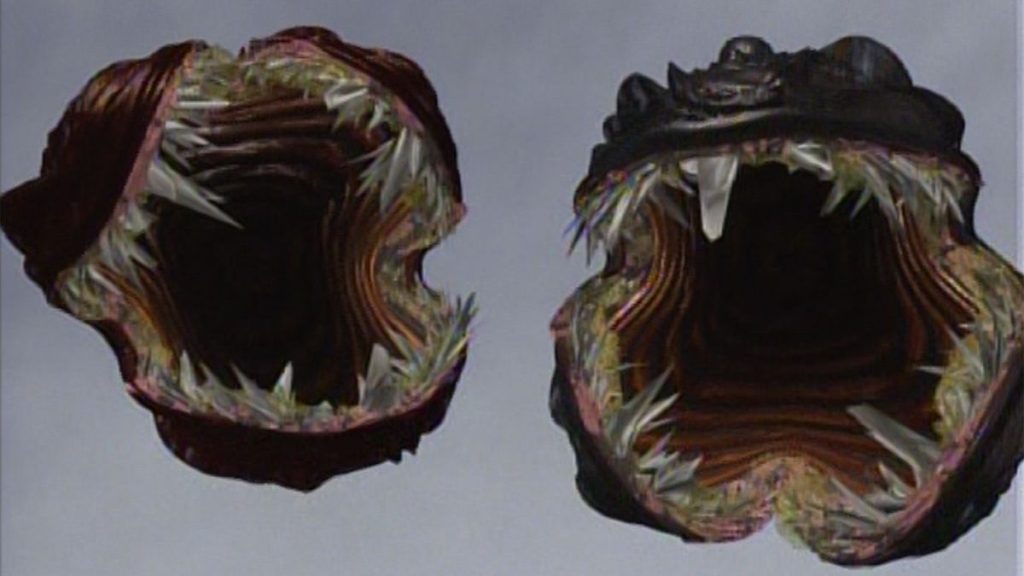
The Langoliers remain one of Stephen King’s most distinctive creations. They stand apart from his more familiar monsters by embodying an abstract fear rather than a personal one.
While the television film is often remembered for its dated effects, it introduced a wide audience to one of King’s most original concepts. The idea of creatures that eat time has endured, influencing later stories that explore lost dimensions, frozen worlds, and discarded realities.
The Langoliers persist as a reminder that horror does not always need blood. Sometimes it is enough to realise that everything eventually gets eaten.
League Placement
The Langoliers belong in the Third Class Tier. They are not character driven killers, but conceptual predators whose horror lies in inevitability and scale. Their threat is vast, impersonal, and quietly terrifying.