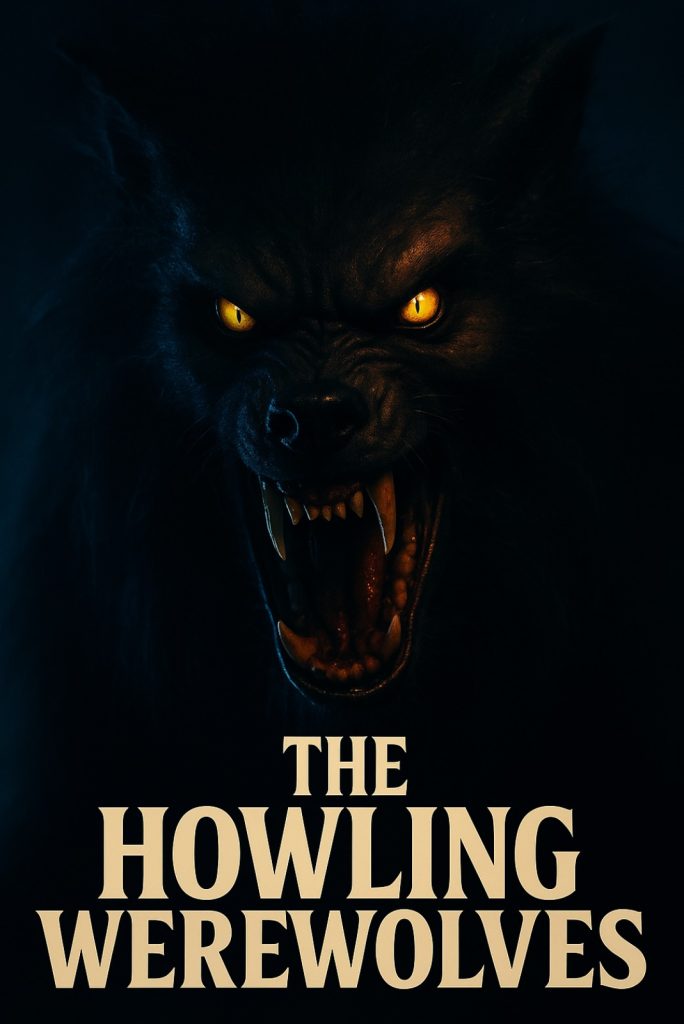
Also Known As: The Howling Werewolves, The Colony Werewolves, The Marsden Pack, The Howling Lycanthropes
First Appearance: The Howling (1981)
Most Iconic Form: Tall, bipedal beasts with elongated snouts, glowing eyes, and a mix of human and wolf anatomy
Kill Count: Numerous across the series
Tier: First Class Tier
The Howling (1981)
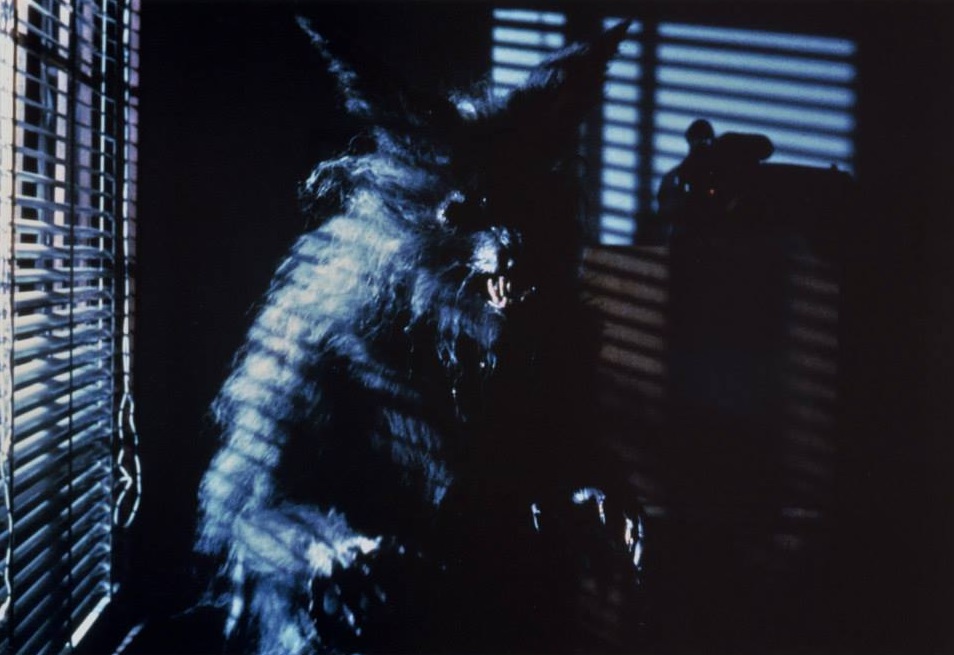
Directed by Joe Dante and based loosely on Gary Brandner’s 1977 novel, The Howling stands as one of the defining werewolf films of all time. It was released in the same year as An American Werewolf in London and helped revive the genre with groundbreaking transformation effects by Rob Bottin.
The story follows television reporter Karen White (Dee Wallace), who suffers a traumatic encounter with a serial killer named Eddie Quist. To recover, she retreats with her husband to a secluded therapy colony run by Dr George Waggner. What begins as a pastoral escape quickly turns into a nightmare as Karen discovers that the colony’s inhabitants are all werewolves — living in secret, struggling to balance their animal instincts with human existence.
The werewolves of The Howling are not cursed peasants or victims of the moon; they are part of a society. They live among humans, guided by a mixture of instinct, ideology, and denial. The colony itself is divided — some wish to coexist with humanity, while others, led by Eddie’s sister Marsha Quist, embrace their nature and hunger openly.
When Karen and her husband uncover the truth, chaos erupts. The transformations — rendered in real time with stretching skin, pulsating muscles, and writhing fur — remain some of the most iconic in horror history. The creatures are not just animals; they are expressions of repressed desire, aggression, and guilt.
The film ends with Karen’s live transformation on national television, her eyes filled with sadness rather than fury. It is one of horror’s most tragic finales — the moment the world glimpses the monster within humanity and refuses to believe it.
The Howling II: Your Sister is a Werewolf (1985)
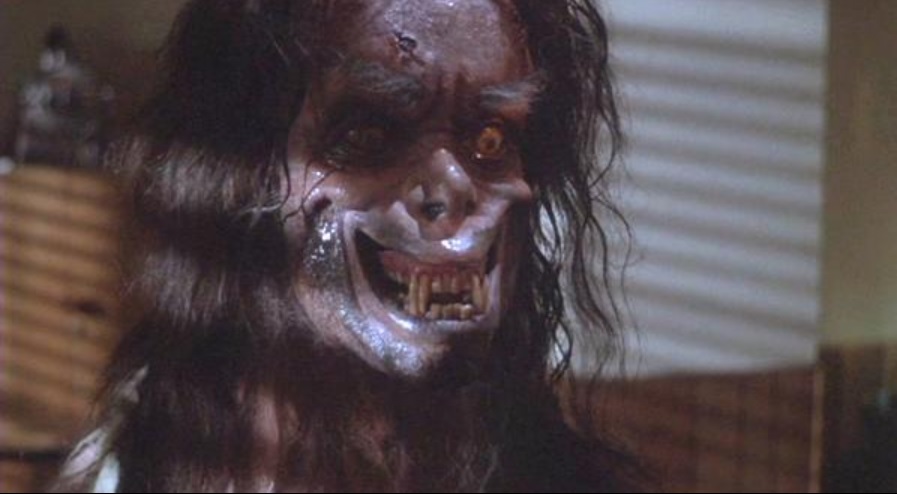
Also known as Howling II: Stirba – Werewolf Bitch, the sequel shifts from subtle horror to wild European fantasy. Directed by Philippe Mora, it introduces a new mythology and tone — part gothic adventure, part surreal fever dream.
The story follows Ben White, Karen’s brother, and a werewolf hunter named Stefan Crosscoe (played by Christopher Lee) as they travel to Transylvania to destroy Stirba, an ancient werewolf queen who leads a cult of immortal shapeshifters.
The film’s creatures are more overtly supernatural, blending witchcraft, pagan ritual, and eroticism. Stirba’s transformation scenes are operatic and grotesque, filled with smoke, chanting, and glowing eyes. The werewolves here are ancient gods rather than psychological monsters — creatures of lust and immortality.
Though the film divides fans, it established the series’ central theme: lycanthropy as both curse and liberation.
The Howling III: The Marsupials (1987)
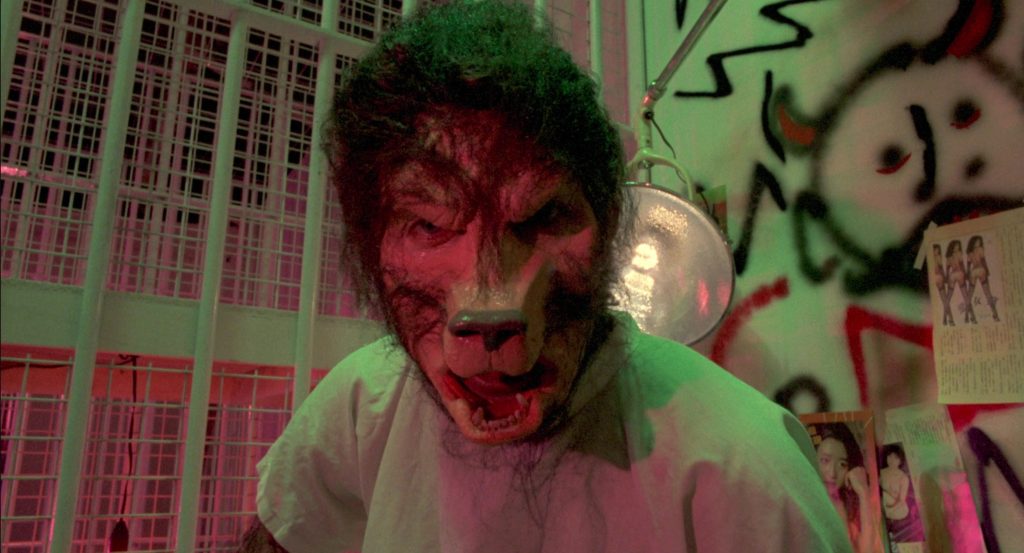
One of the strangest entries in the series, The Howling III: The Marsupials, directed again by Philippe Mora, moves the action to Australia and introduces a new evolutionary branch of werewolf — one that reproduces through marsupial pouches.
The film explores the idea that werewolves are an ancient offshoot of humanity rather than supernatural beings. The marsupial werewolves are persecuted by humans and hunted as freaks, transforming the narrative into a bizarre blend of horror, science fiction, and social allegory.
While camp in tone, it expands the mythology significantly, suggesting multiple breeds of lycanthrope across the world. The transformation effects remain impressive, and the film treats its monsters with unexpected empathy, presenting them as misunderstood rather than purely violent.
The Howling IV: The Original Nightmare (1988)
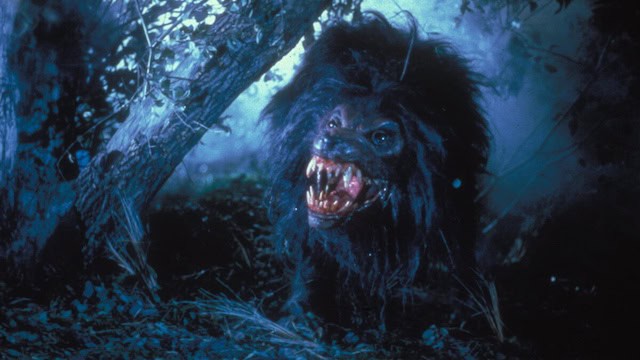
This instalment returns to the tone of the first film, adapting Gary Brandner’s original novel more faithfully. It follows novelist Marie Adams, who retreats to a rural village to recover from stress and begins hearing howls in the night. The townsfolk harbour a terrible secret: they are all part of a werewolf congregation.
The film is slower and more atmospheric, focusing on isolation and paranoia rather than spectacle. The transformation scenes echo the 1981 classic, and the creature design once again leans into a mix of grace and grotesquery. The werewolves here are shown as cursed and suffering, their transformations driven by anguish rather than pleasure.
The Howling V: The Rebirth (1989)
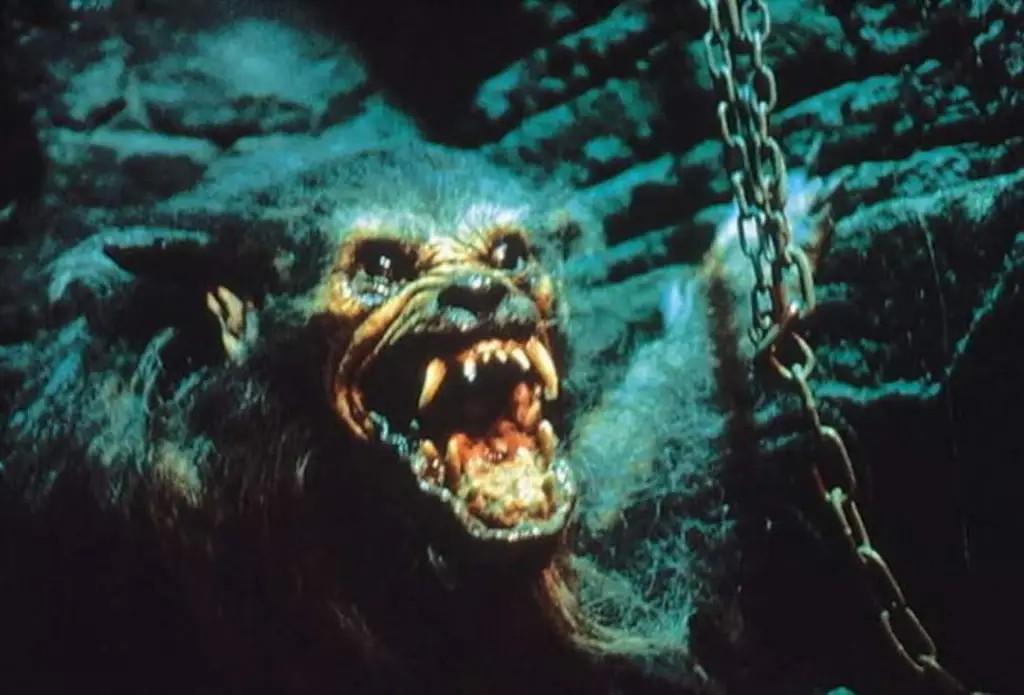
Set in a remote Hungarian castle, this entry combines gothic horror with a murder mystery structure. A group of strangers are invited to the castle, unaware that one of them carries the werewolf bloodline.
The film’s claustrophobic setting and gradual reveals give it a moody, atmospheric tone. The creature, when revealed, is more animalistic than in earlier instalments, but the focus remains psychological — the tension of inherited monstrosity and the fear of identity.
The Howling VI: The Freaks (1991)
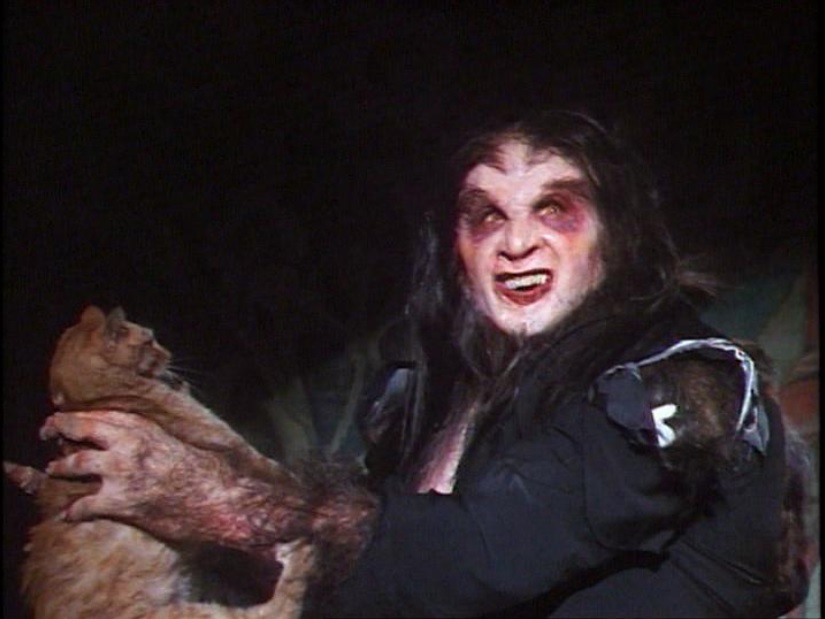
This instalment revitalises the series with a strong emotional core. It tells the story of Ian, a drifter who hides a terrible secret — he becomes a werewolf under the full moon. Captured by a travelling freak show, he is exploited by its sadistic ringmaster, who is revealed to be a vampire.
The Howling VI stands out for its tragic tone. Ian’s curse makes him both a victim and reluctant hero, and his eventual confrontation with the vampire brings the film to a bloody, cathartic close. The makeup and transformation work are impressive for the time, capturing both pain and majesty.
The Howling: New Moon Rising (1995) and The Howling: Reborn (2011)
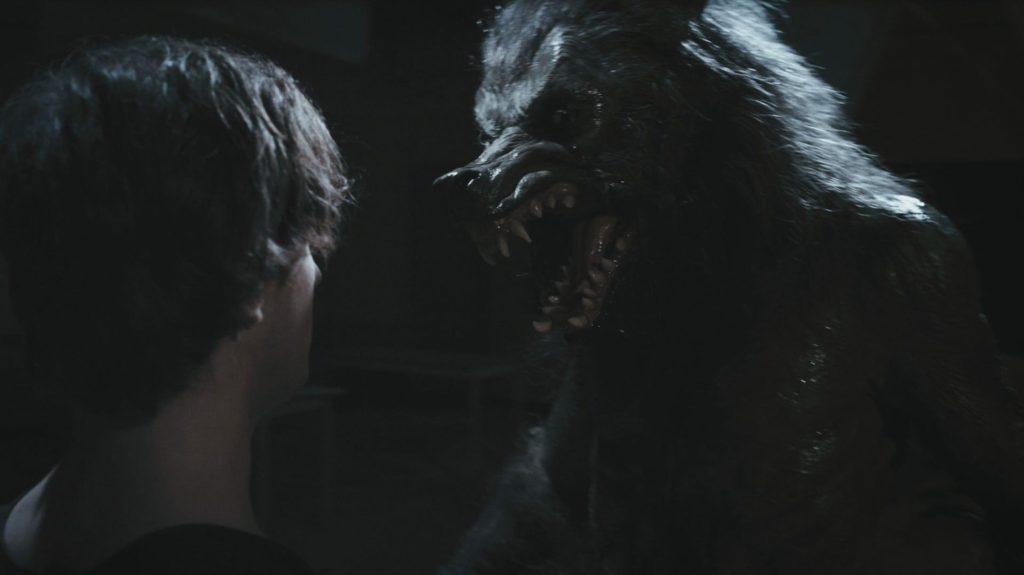
New Moon Rising attempted to merge previous storylines but suffered from low production values and inconsistent tone. It functions more as a patchwork of lore, showing that the werewolf bloodline continues to spread.
The Howling: Reborn, released in 2011, rebooted the story for a new generation. It follows a high school student who discovers he is descended from werewolves and must choose between human love and animal instinct. Though more conventional, it continues the central idea that transformation is both gift and curse — power born from alienation.
Nature and Symbolism
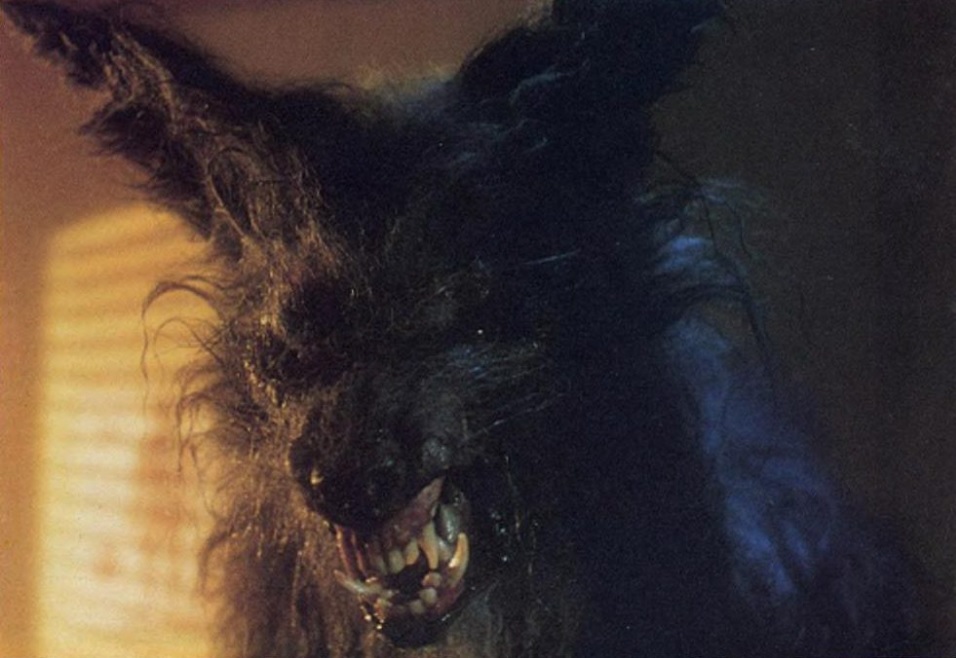
Across the series, The Howling werewolves embody transformation as identity. They are creatures of duality — intelligent, emotional, and self-aware. The original film portrays them as a metaphor for repression, desire, and social decay. Later films expand that idea, turning lycanthropy into a symbol of evolution and rebellion.
Their design remains among cinema’s most striking: towering, digitigrade legs, elongated faces, and expressive yellow eyes. Unlike the wolf-men of earlier decades, The Howling Werewolves are graceful, sleek, and terrifyingly human.
Their howls echo across every instalment — mournful, defiant, and ancient — reminders that the line between humanity and instinct is far thinner than we dare believe.
League Placement
The Howling Werewolves belong in the First Class Tier. They are not mere beasts but complex reflections of human desire, fear, and transformation. From psychological terror to mythic spectacle, they remain the ultimate expression of the monster within.