Also Known As: Stripe, The First Gremlin, The Leader of the Horde
First Appearance: Gremlins (1984)
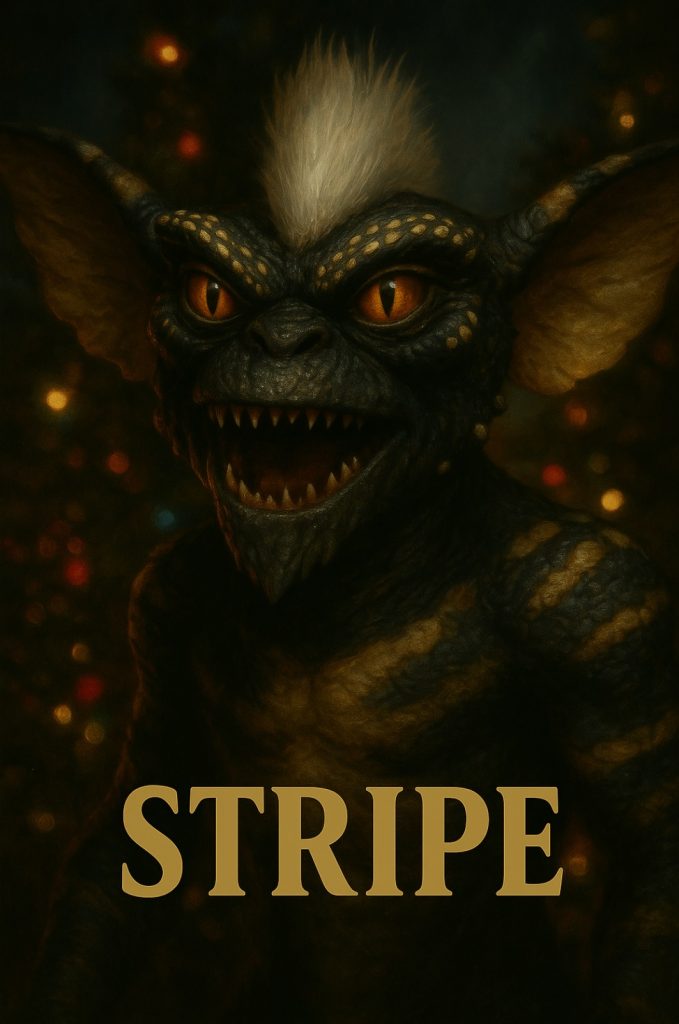
Most Iconic Form: A white mohawked Gremlin with a sadistic nature and a flair for chaos
Kill Count: Numerous off screen and on screen implied casualties
Portrayed by: Chris Walas and team through animatronics, with vocalisations by Frank Welker
Tier: Second Class Tier
Gremlins (1984)
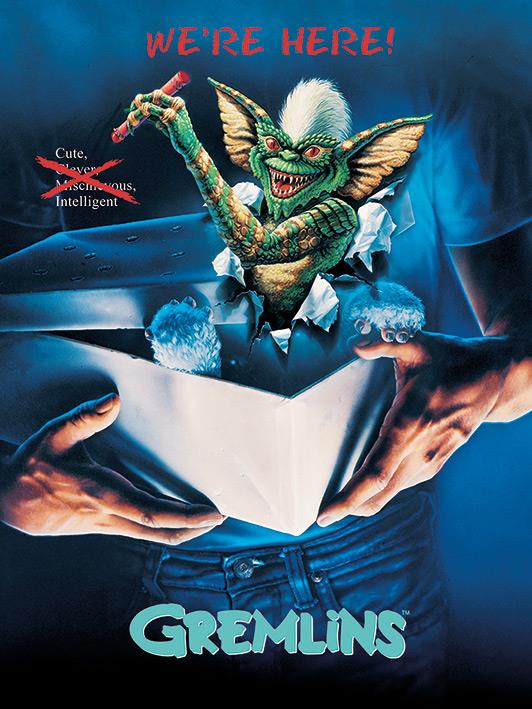
Directed by Joe Dante, Gremlins is both a family fantasy and a creature comedy that veers sharply into horror once the monsters take control. At the heart of the chaos is Stripe, the first Gremlin to emerge from the Mogwai Gizmo and the undisputed leader of every act of violence that follows.
Stripe is defined by his distinctive white hair, his cunning expression, and his cruel imagination. While other Gremlins behave like anarchic children, Stripe is something far more dangerous. He understands strategy, manipulation, and the joy of orchestrating pain purely for entertainment. His personality is reflected in every scene: calculated mischief rising to gleeful savagery.
From the moment Gizmo accidentally births the litter of Mogwai, Stripe asserts himself. He bullies the others, commands them, and pushes them into rebellion. Once they transform into Gremlins, he becomes their general. His intelligence separates him from the horde, allowing him to manipulate machines, weapons, and humans alike.
One of his most memorable acts occurs in the swimming pool scene. After losing many of his followers, Stripe plunges himself into the water, triggering mass duplication and unleashing a full scale Gremlin uprising across the town of Kingston Falls. The sequence illustrates his ambition. He is not content with mischief. He wants domination.
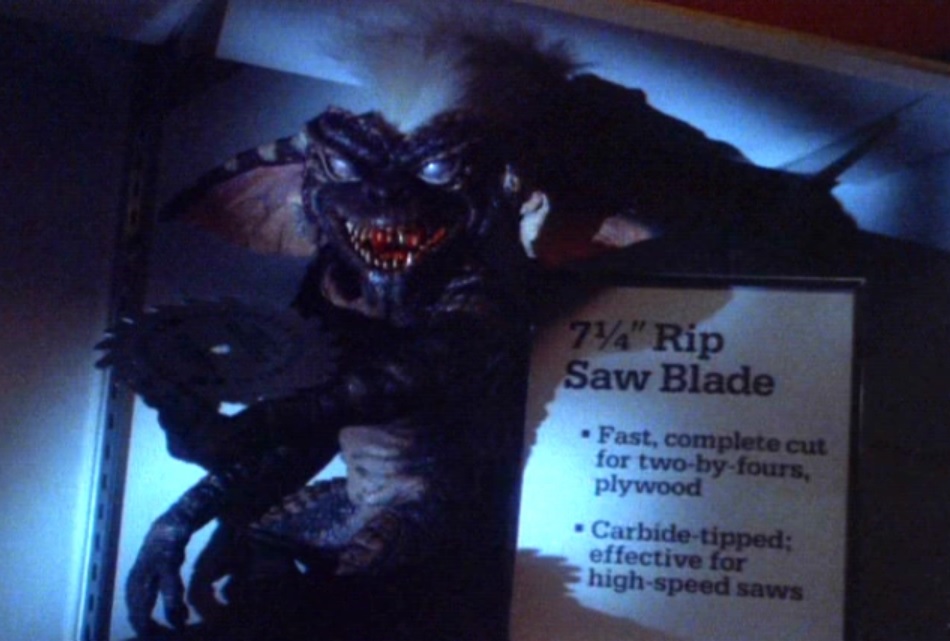
Stripe’s violence is sudden and brutal. Whether firing guns, using saw blades, or leaping at victims with feral speed, he carries out attacks with malicious joy. He laughs during acts of cruelty, a sound that signals danger every time it echoes. His physical presence is also threatening. He is lean, fast, and cunning, using shadows and agility to stalk his victims like a predator rather than a comic nuisance.
The final confrontation takes place inside a department store, where Stripe arms himself with stolen weapons and ambushes Billy. He fights with a mixture of animal fury and tactical thought, demonstrating once again that he is not merely mischievous but genuinely lethal. His death, caused when he melts into a pool of bubbling sludge in front of Gizmo, remains one of the most iconic creature deaths in horror cinema.
Gremlins 2: The New Batch (1990)
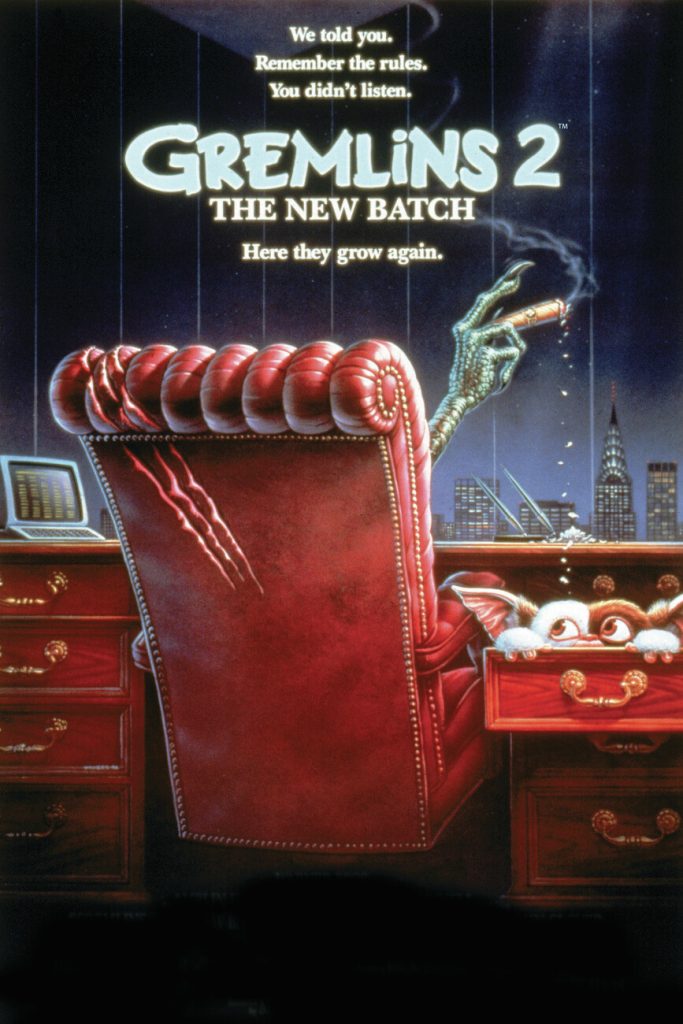
Although Stripe does not return in the sequel, his legacy shapes several of the new Gremlins created inside Clamp Tower. Many of the creatures, such as the Mohawk Gremlin, clearly echo Stripe’s design and temperament, serving as spiritual descendants of his villainy.
Mohawk himself shows aggressive leadership and an obsession with tormenting Gizmo, a clear homage to Stripe’s personality. His eventual transformation into a spider-like monster further reinforces the idea that Stripe’s influence endures through the very DNA of the species.
The sequel acknowledges Stripe as the template for Gremlin leadership. While the creatures are varied and cartoonish in this instalment, the shadow of Stripe remains in every act of organised chaos they commit.
Nature and Symbolism
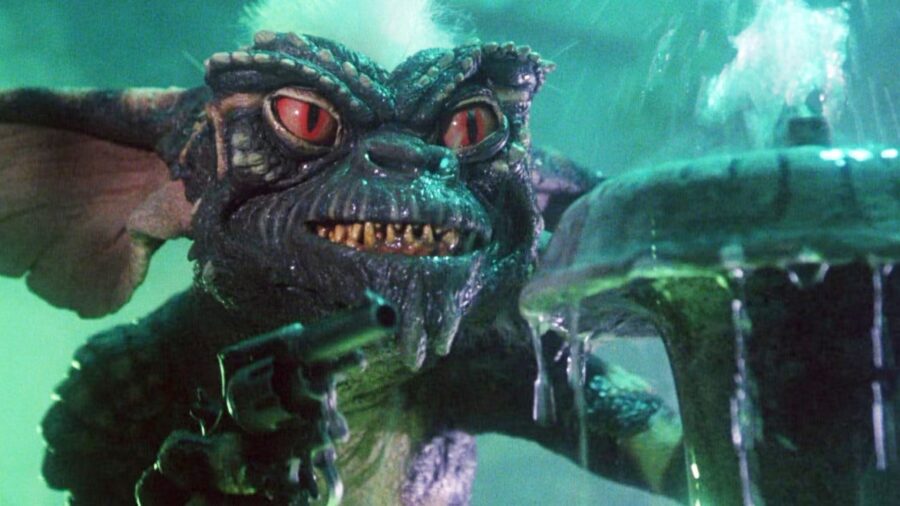
Stripe embodies the darker side of unchecked curiosity and irresponsibility. The rules that govern the Mogwai are simple, but breaking them unleashes a monster who combines childish rebellion with adult cruelty. He is the embodiment of the consequences of neglect, temptation, and chaos.
Unlike many creature antagonists, Stripe is not driven by survival instinct alone. He enjoys violence. He plans it. He encourages others to join in. This makes him a rare creation in creature cinema: a monster with the mind of a sadist and the energy of a trickster god.
His design reflects both horror and humour. His bright eyes, sharp teeth, and expressive face make him both visually charming and threatening, a duality that keeps audiences on edge.
Legacy
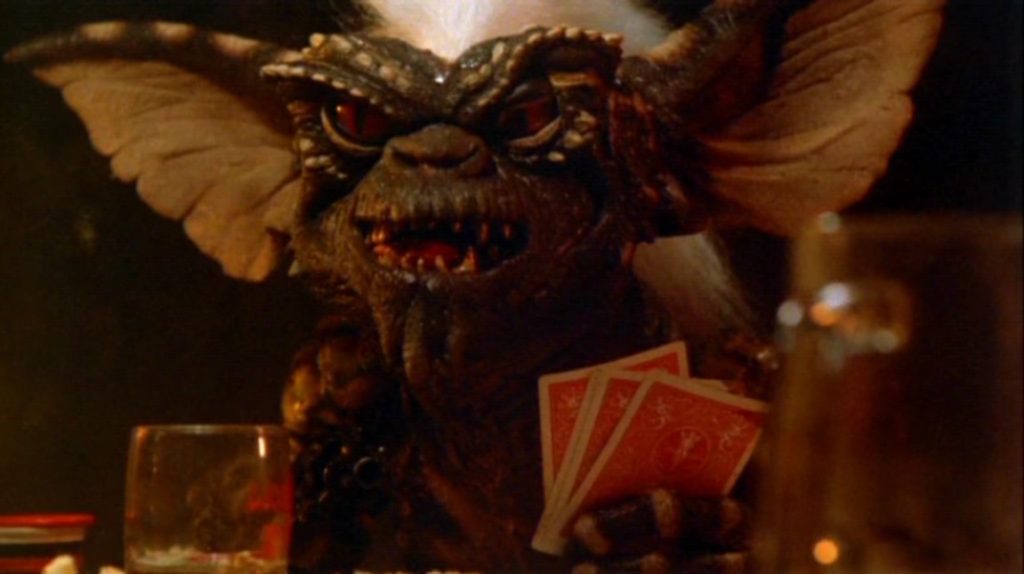
Stripe remains one of the most recognisable creature villains ever created. His image has endured across decades in posters, merchandise, and pop culture. He helped define the creature comedy horror subgenre and remains a beloved yet fearsome icon.
He is the perfect representation of eighties practical effects mastery. Every twitch, snarl, and grin is crafted with precision, making him feel alive in a way few digital monsters have since achieved.
League Placement
Stripe belongs in the Second Class Tier. He is powerful, cunning, charismatic in his own monstrous way, and capable of large scale destruction. Yet he lacks the mythic gravitas of the top class monsters, fitting perfectly within the second tier of formidable creature villains.