
True Identity: Black Phillip – The Devil (in goat form)
First Appearance: The Witch (2015)
Most Iconic Form: Horned black goat with glowing yellow eyes and a human whisper
Kill Count: 2 on-screen, but serves as the catalyst for the family’s entire downfall
Portrayed by: A real goat named Charlie; voice by Wahab Chaudhry (uncredited)
The Witch (2015)
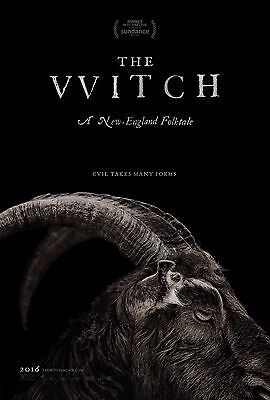
Written and directed by Robert Eggers, The Witch is a folk horror masterpiece set in 1630s New England. It follows a Puritan family exiled from their colony and forced to survive alone on the edge of a mysterious forest.
As crops fail and family members vanish, paranoia sets in. The eldest daughter, Thomasin, is blamed for the misfortunes, particularly after her infant brother disappears under her watch. Her parents suspect witchcraft — but the true evil lies closer than they think.
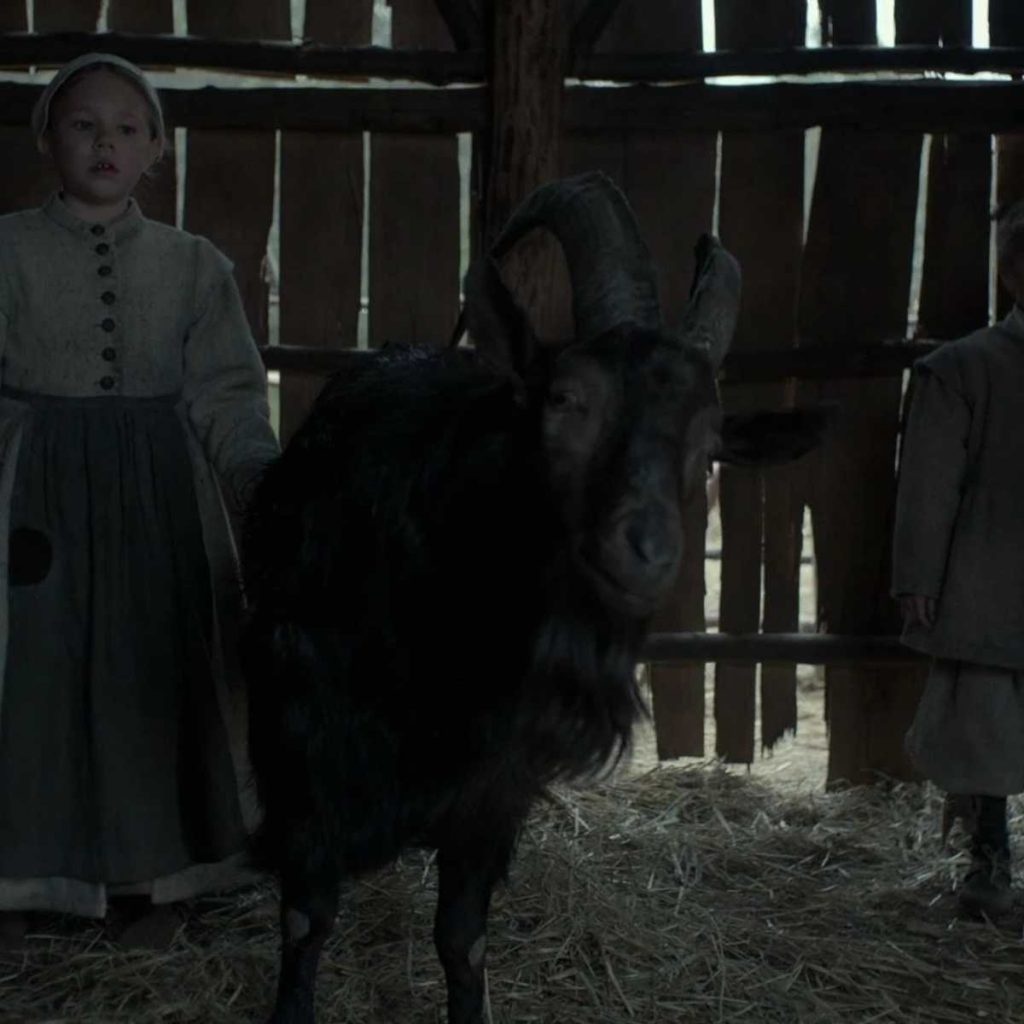
Lurking in the barn is Black Phillip, the family’s black goat, often shown but rarely addressed — until the film’s final moments. After the family turns on one another in a storm of religious mania and grief, Thomasin is left alone. She approaches Black Phillip and asks him to speak.
He does.
In a voice soft, seductive, and utterly calm, Black Phillip asks the now-isolated girl:
“Wouldst thou like to live deliciously?”
He leads her into the woods, where other witches dance around a fire. Thomasin floats upward, finally free — or fully damned.
Black Phillip is Satan incarnate, cloaked in hooves and patience. He doesn’t kill with claws — he kills with ideas. His influence festers in silence until the family tears itself apart.
Physiology & Symbolism
- Appears as a common black goat but is later revealed to be Satan in animal form
- Symbolizes:
- Temptation
- Freedom vs repression
- The fear of feminine power
- Uses suggestion, manipulation, and isolation rather than overt violence
- Capable of speaking only to the willing — his power relies on consent
- Briefly manifests a humanoid form (glimpsed behind Thomasin) with black boots and spurs — a Satanic gentleman
- His presence escalates:
- The death of the father (gored)
- The death of the twins (offscreen)
- The spiritual collapse of the mother, whose final moments are filled with religious hysteria
Cultural Impact
- Became an instant horror icon, despite limited screen time
- “Wouldst thou like to live deliciously?” became a viral horror quote and meme
- Represents a return to primal, folkloric horror — no jump scares, just dread
- Black Phillip has been embraced as a symbol of anti-puritanical freedom, especially among:
- Feminist horror communities
- Occult aesthetics
- LGBTQ+ horror fans
- Inspired merchandise, tattoos, and even metal band imagery
- His ambiguous nature makes him terrifying and seductive all at once
League Placement
Black Phillip belongs in the Second Class Tier — not because he lacks power, but because he works subtly, slowly, and through metaphor. He doesn’t dominate the screen, but he dominates the story. In a film about repression, hysteria, and religious terror, he is the liberating whisper in the dark.