
Also Known As: Billy Lenz, Billy, “The Moaner,” “The Caller”
First Appearance: Black Christmas (1974)
Most Iconic Form: Unseen figure in the attic, whispering obscenities through a rotary phone
Kill Count: 6+ (1974), varies in remakes
Portrayed by: Uncredited voices and performers (1974), Robert Mann (2006)
Black Christmas (1974)
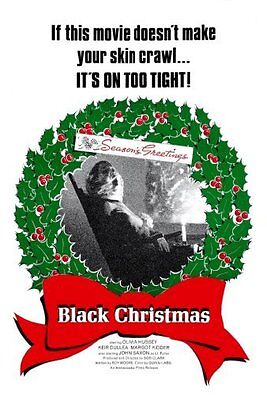
Directed by Bob Clark, Black Christmas is often credited as the first modern slasher film, and Billy Lenz is its faceless, primal force of terror.
Set in a snow-covered sorority house during Christmas break, the story follows a group of young women who begin receiving disturbing, obscene phone calls. The voice on the line whispers, screams, and babbles incoherently — a fractured personality filled with rage, guilt, and trauma.
The audience never clearly sees Billy. Instead, we view him through:
- His eye, watching from behind doors and vents
- His breathing, heavy and invasive
- His phone calls, which become increasingly violent and personal
Billy stalks, kills, and hides in the attic — where one of his first victims, Claire, sits in a rocking chair with a plastic bag over her head, a frozen expression of horror on her face.
He’s never caught. In the final moments, as the house goes quiet, the phone rings again. Billy is still up there.
Billy’s terror lies in what we don’t know:
- Who is Agnes?
- What happened in his past?
- Why did he choose this house?
He is the slasher as pure intrusion — a voice without a body, trauma without resolution.
Black X-Mas (2006) – The Backstory Bomb
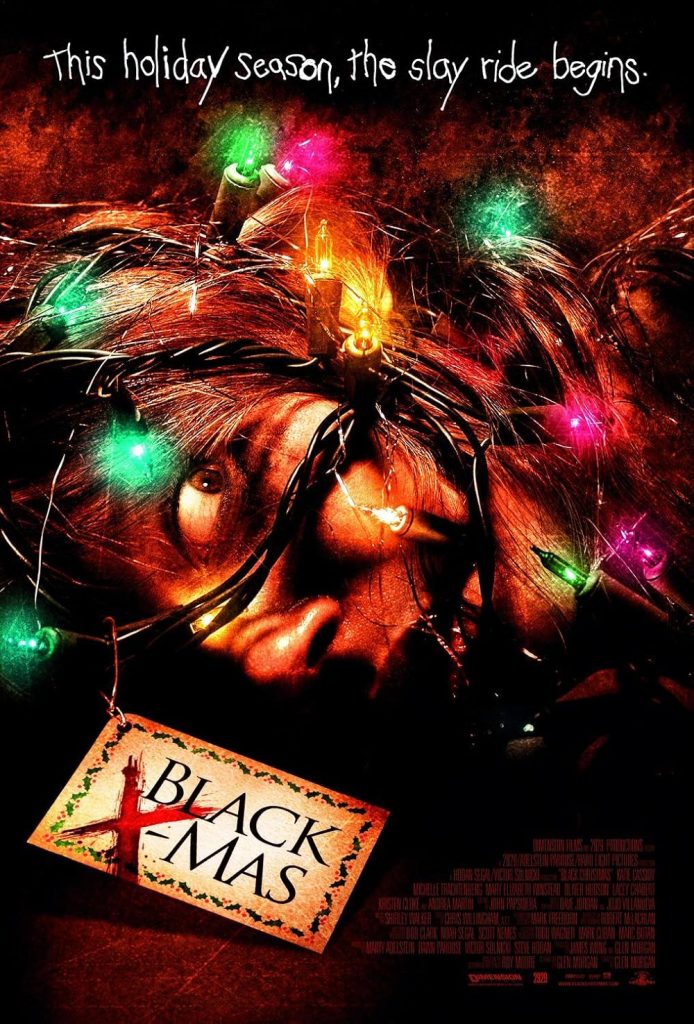
The 2006 remake attempts to flesh out Billy’s origins. This version introduces:
- A childhood filled with abuse and imprisonment
- A sexually abusive mother and a stepfather she murders
- Billy’s forced witness to horror, leading to mental fragmentation
- He escapes from a psychiatric facility and returns home to slaughter and bake cookies from his mother’s flesh
This version also introduces Agnes, his daughter/sister, who becomes a secondary killer — extending the family horror. While gorier and more literal, this remake loses much of the original’s mystique, replacing ambiguity with grotesque backstory.
Still, the film gives Billy:
- Signature yellow skin (from liver disease)
- A talent for crawling through walls
- Brutal kills using ornaments, candy canes, and tree toppers
It’s campy, excessive, and far more traditional slasher than its predecessor — but Billy remains a disturbing presence, now seen as a victim turned monster.
Black Christmas (2019) – A New Direction
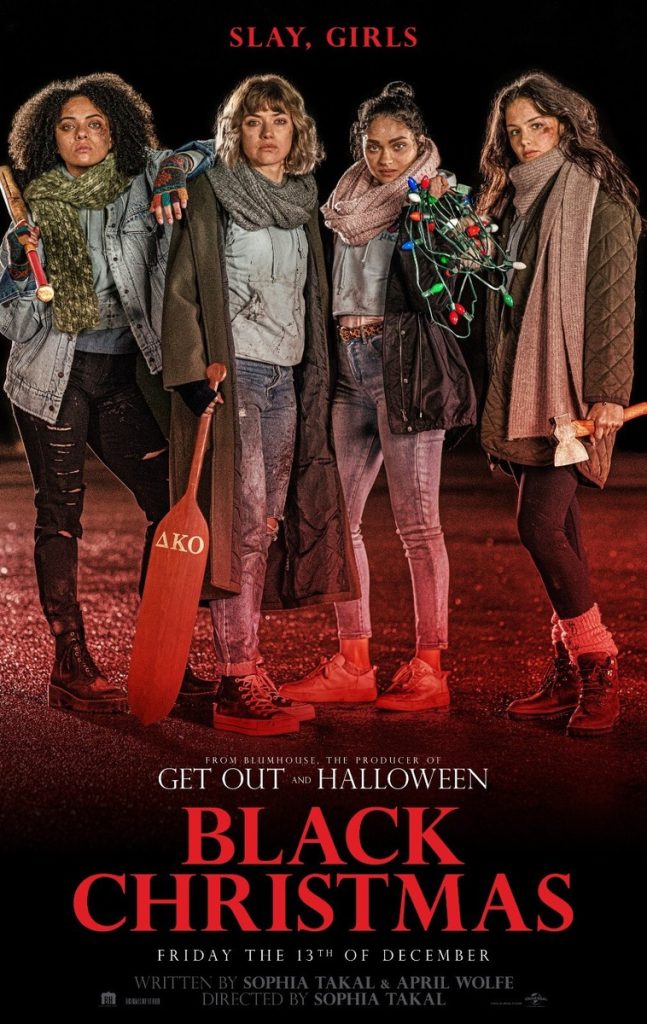
The 2019 reimagining removes Billy entirely. The killers here are part of a patriarchal cult, using supernatural black goo to possess men and force them to kill women.
While controversial, this version abandons Billy altogether, marking the end of his canonical legacy. He becomes more symbol than figure — a ghost haunting only the earlier versions.
Psychology & Behavior
- Billy exhibits signs of multiple personality disorder, speaking in several voices during his calls
- Obsessively references “Agnes” — possibly a sister, daughter, or split identity
- Kill method varies: strangulation, stabbing, suffocation
- Physically agile, able to hide in crawlspaces, attics, and walls
- Shows sexual aggression, trauma, and repressed guilt
- Calls suggest he’s reliving or reacting to childhood abuse
- Voice work is disturbing — layers of screams, laughter, whispers, and mockery
Cultural Impact
- One of the earliest and most realistic slasher villains
- Black Christmas directly influenced Halloween, When a Stranger Calls, and later Scream
- Billy’s use of the phone predates Ghostface’s calls by decades
- A masterclass in horror minimalism — less is more
- Has never reached pop culture icon status due to anonymity — but remains a cult legend
- The plastic bag kill is one of horror’s most enduring images
League Placement
Billy Lenz belongs in the Second Class Tier — not due to lack of fear, but because his power lies in subtlety, not scale. He’s the voice you hear when you’re home alone, the thump in the attic, the call that says nothing — but knows everything. Silent. Unresolved. Still up there.