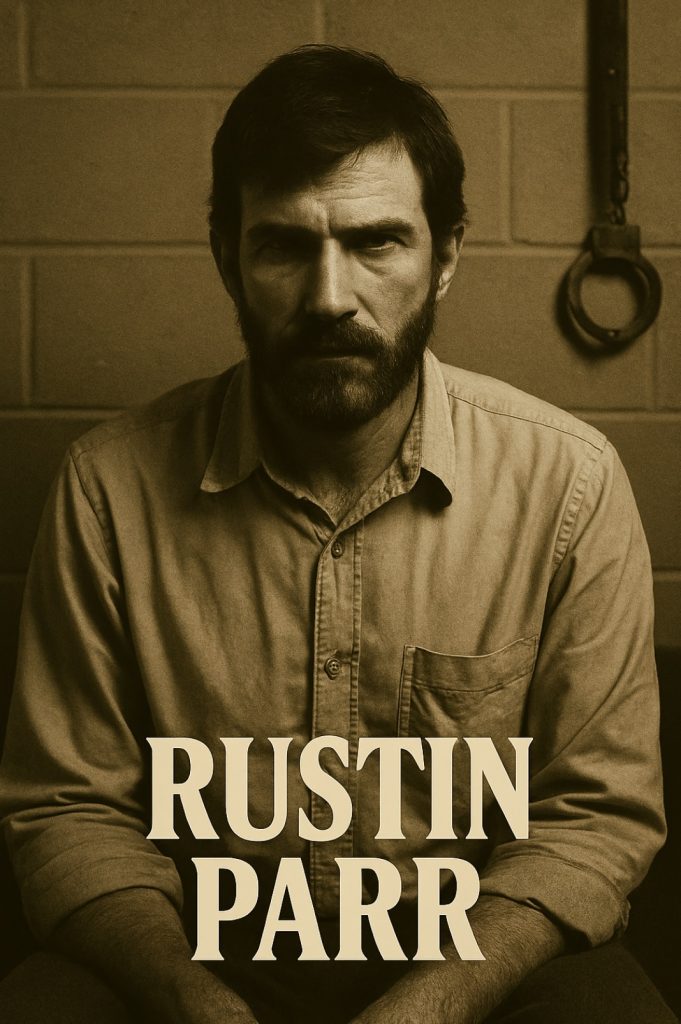
Also Known As: The Blair Witch Killer
First Appearance: The Blair Witch Project (1999)
Most Iconic Form: A reclusive murderer whose crimes become the foundation of the Blair Witch legend
Kill Count: Seven children
Portrayed by: Raynor Scheine (Book of Shadows: Blair Witch 2)
Tier: Third Class Tier
The Blair Witch Project (1999)
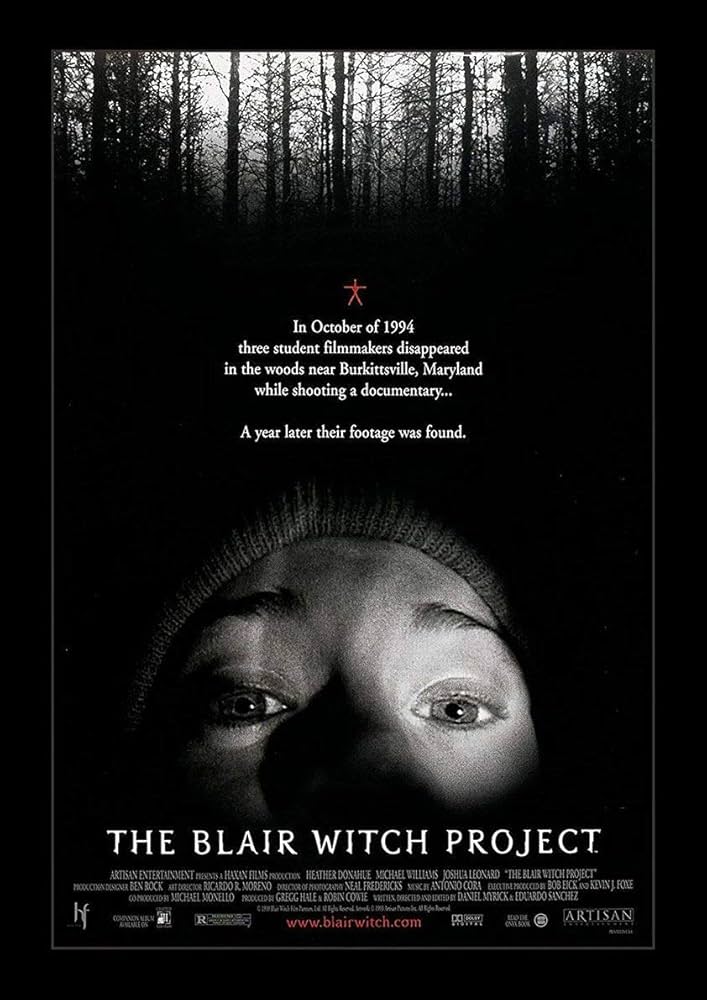
Directed by Daniel Myrick and Eduardo Sánchez, The Blair Witch Project presents Rustin Parr as a historical figure whose crimes haunt the town of Burkittsville decades after his death. Though he never appears on screen, Parr’s presence dominates the film through interviews, police reports, and folklore.
In the nineteen forties, Rustin Parr lived alone in a house near the Black Hills Forest. He was described as a quiet, eccentric man who claimed to hear voices telling him to commit murder. Over a period of weeks, Parr abducted seven children from the local area and killed them inside his home.
His method was precise and disturbing. Parr would force one child to stand facing the corner of a room while he murdered another. He claimed the voices demanded this ritual, insisting that one child must never witness the death of another. When police eventually discovered the bodies, the children were found stacked in the cellar beneath the house.
Parr surrendered without resistance and later confessed. He was executed by hanging in nineteen forty five. His crimes were widely believed to be influenced by the Blair Witch, either through possession or psychological manipulation, blurring the line between human evil and supernatural influence.
In The Blair Witch Project, Parr becomes part of the film’s escalating dread. His abandoned house is revealed to be the final destination of the filmmakers’ journey. The sight of one character standing silently in the corner mirrors Parr’s ritual and confirms that history is repeating itself.
Parr’s horror lies in implication. He is not a monster in costume or a supernatural entity. He is a man who listened to voices and acted upon them, leaving behind a legacy of terror that outlived him.
Book of Shadows Blair Witch 2 (2000)
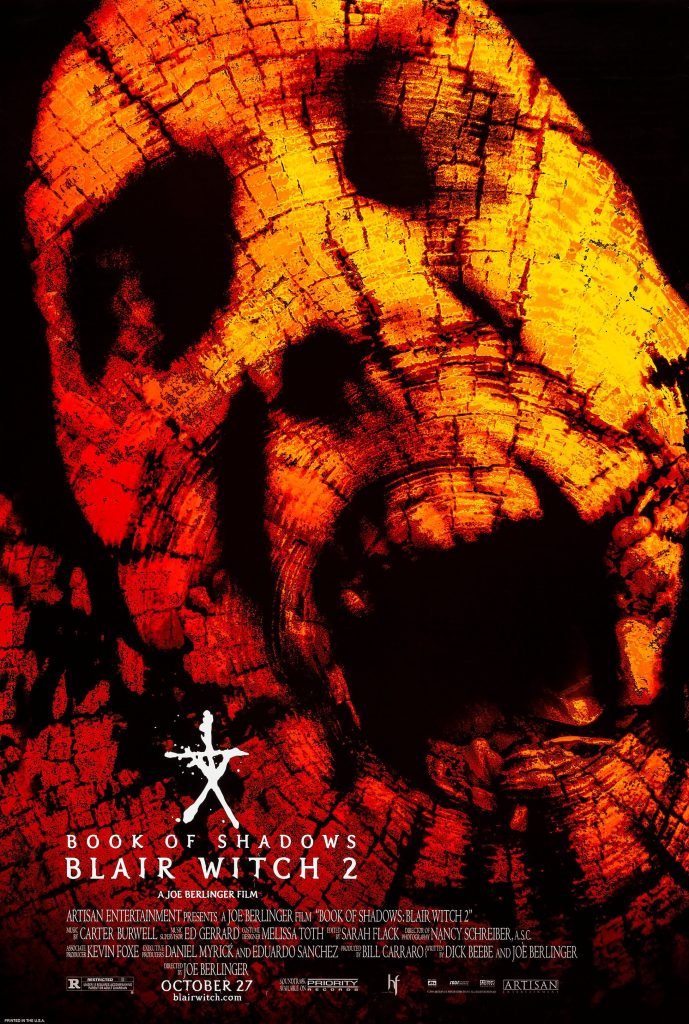
The sequel, directed by Joe Berlinger, takes a different approach, blending reality and fiction while expanding the mythology surrounding Rustin Parr. In this film, Parr’s crimes have become a cornerstone of Blair Witch tourism, with his former house reconstructed as a site of fascination and exploitation.
The film reframes Parr as both murderer and myth. Some characters suggest he was driven insane by isolation. Others believe he was directly controlled by the Blair Witch. The ambiguity is intentional, reflecting how history becomes distorted when filtered through media, obsession, and belief.
Through hallucinations, visions, and recovered footage, Parr’s influence continues to manifest. His actions are echoed by new violence, suggesting that his crimes created a pattern that others unknowingly follow. The idea that Parr may have been both victim and instrument reinforces the theme that belief itself can become dangerous.
While the sequel is stylistically different, it solidifies Rustin Parr as a foundational figure in the Blair Witch narrative. Without Parr, there is no legend. Without his murders, the forest has no history to repeat.
Character and Interpretation
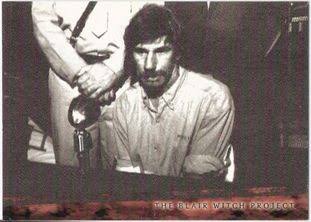
Rustin Parr represents the most unsettling form of horror: the ordinary human who commits extraordinary violence. Whether he was possessed, manipulated, or simply delusional is never definitively answered.
His insistence on ritual suggests obsession rather than impulse. The corner facing punishment becomes a symbol of helplessness and control, an image that has become one of the most iconic in horror cinema.
Parr embodies the danger of isolation, untreated mental illness, and belief taken as absolute truth. He is not frightening because he chases or stalks. He is frightening because he obeys.
Legacy
Rustin Parr remains one of the most effective unseen killers in horror history. His story demonstrates how suggestion can be more powerful than depiction. By never showing his crimes directly, the films allow the audience’s imagination to do the work.
The corner facing image has become inseparable from the Blair Witch mythos, appearing in countless homages and parodies. Parr’s crimes helped redefine found footage horror, proving that fear could be built entirely through implication and folklore.
He stands as a reminder that legends are often built on real atrocities, and that belief can transform murder into myth.
League Placement
Rustin Parr belongs in the Third Class Tier. He is a grounded human killer whose horror lies in history, ritual, and psychological collapse rather than supernatural spectacle.