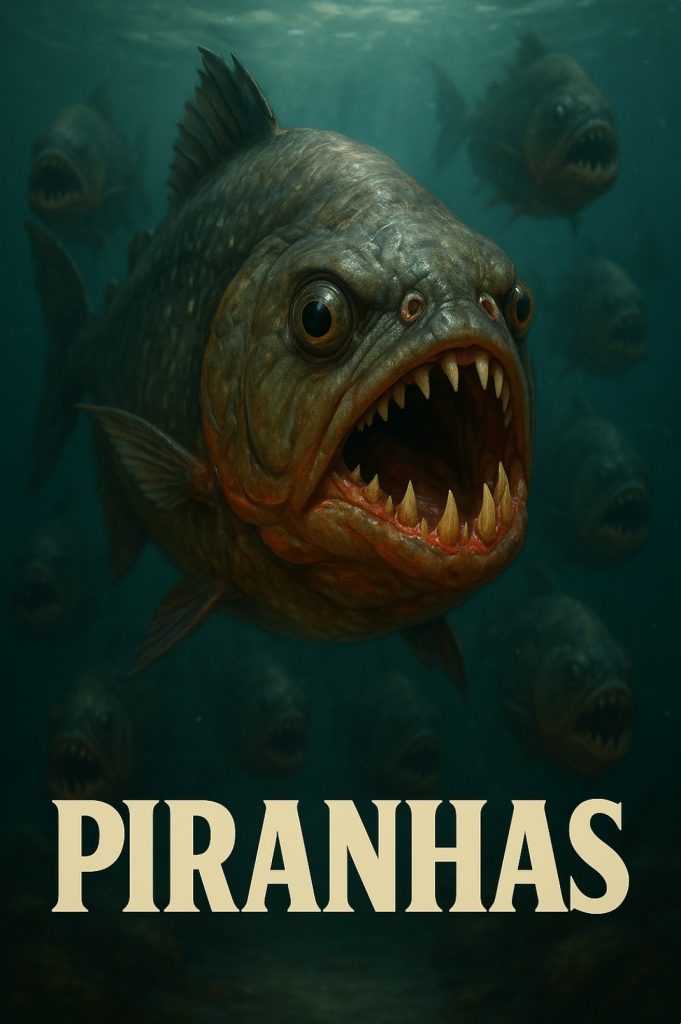
Also Known As: Piranhas, Mutant Piranhas, Genetically Engineered Killers, Piranha Swarm
First Appearance: Piranha (1978)
Most Iconic Form: Shoals of carnivorous fish with razor-sharp teeth and a collective hunger that devours anything in their path
Kill Count: Hundreds across all films
Tier: Second Class Tier
Piranha (1978)
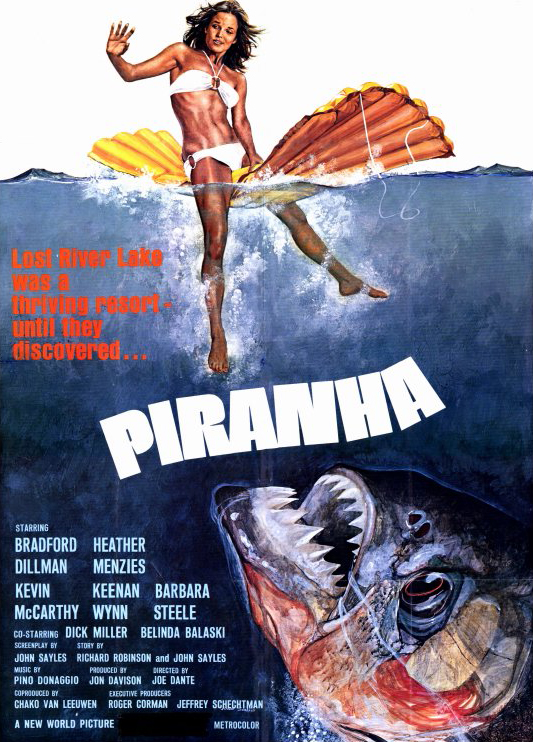
Directed by Joe Dante and produced by Roger Corman, Piranha emerged during the late-1970s wave of aquatic horror inspired by Jaws, yet it distinguished itself through humour, speed, and a sharp satirical edge.
The story begins when a pair of teenagers go missing after swimming in a seemingly abandoned military test site. Environmental investigator Maggie McKeown teams up with local drunk Paul Grogan to search for them, accidentally releasing a swarm of genetically modified piranhas into a river system connected to a nearby resort.
The fish, bred during a secret government experiment known as Operation Razorteeth, were designed as biological weapons for use in the Vietnam War — but now they are free, and hungry.
As the swarm tears through summer camps and holiday parks, the film’s blend of gore and comedy becomes clear. Joe Dante directs with the mischievous energy that would later define Gremlins, turning the violence into both horror and satire. The climactic massacre at a riverside resort is chaotic and darkly funny, with people pulled underwater in frantic flashes of red.
The film ends ambiguously, with the surviving piranhas spreading into open waters — ensuring that the horror is far from over.
Piranha II: The Spawning (1982)
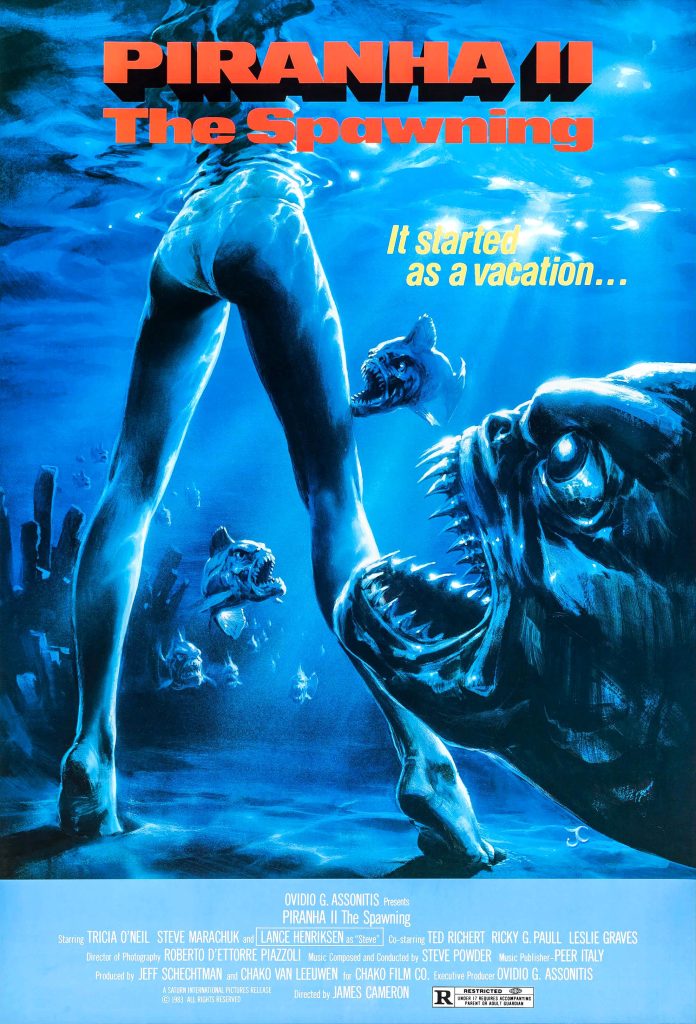
Released four years later, Piranha II: The Spawning became infamous as the feature debut of James Cameron (who was fired early in production but retained partial credit). Set at a Caribbean resort, the film takes the premise to absurd new heights: the piranhas can now fly.
The creatures, mutated further through government meddling, have developed wings that allow them to leap from the water and attack from the air. The result is pure B-movie spectacle — blood, bikinis, and mayhem.
While often ridiculed, the film has a certain cult charm. Its tropical setting, beachside kills, and gleeful absurdity paved the way for future “creature feature excess.” It also introduced the idea that the piranhas evolve beyond control, becoming nature’s unstoppable revenge.
Piranha (1995)
Produced for television, this remake of Joe Dante’s original film is a near shot-for-shot recreation. Directed by Scott P. Levy and produced by Roger Corman, it reuses much of the same dialogue and structure, with updated effects and a slightly lighter tone.
Though often forgotten, it served as a reminder of the original’s cult appeal and kept the property alive long enough for its grand reawakening fifteen years later.
Piranha 3D (2010)
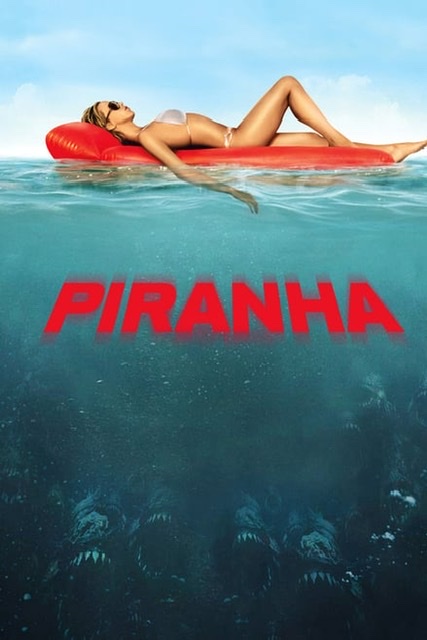
Alexandre Aja’s Piranha 3D reinvented the franchise with a delirious blend of gore, comedy, and self-awareness. Set around Lake Victoria during spring break, the film begins when an underwater earthquake opens a fissure to a prehistoric lake, releasing thousands of ancient piranhas trapped for millions of years.
The new piranhas are larger, faster, and more vicious than any previous iteration. When they rise to the surface, they turn the lake’s sun-drenched party into a feeding frenzy of chaos.
The cast, including Elisabeth Shue, Ving Rhames, Jerry O’Connell, and Christopher Lloyd, leans into the film’s over-the-top tone. Blood sprays, limbs fly, and the film’s 3D effects exaggerate every bite. Despite the absurdity, Aja treats the carnage with technical precision, crafting one of the most memorable gore set-pieces of the 2010s horror revival — the spring-break massacre sequence.
The film ends with a final joke: the surviving characters celebrate their apparent victory, only for a baby piranha to leap up and bite, proving the cycle never ends.
Piranha 3DD (2012)
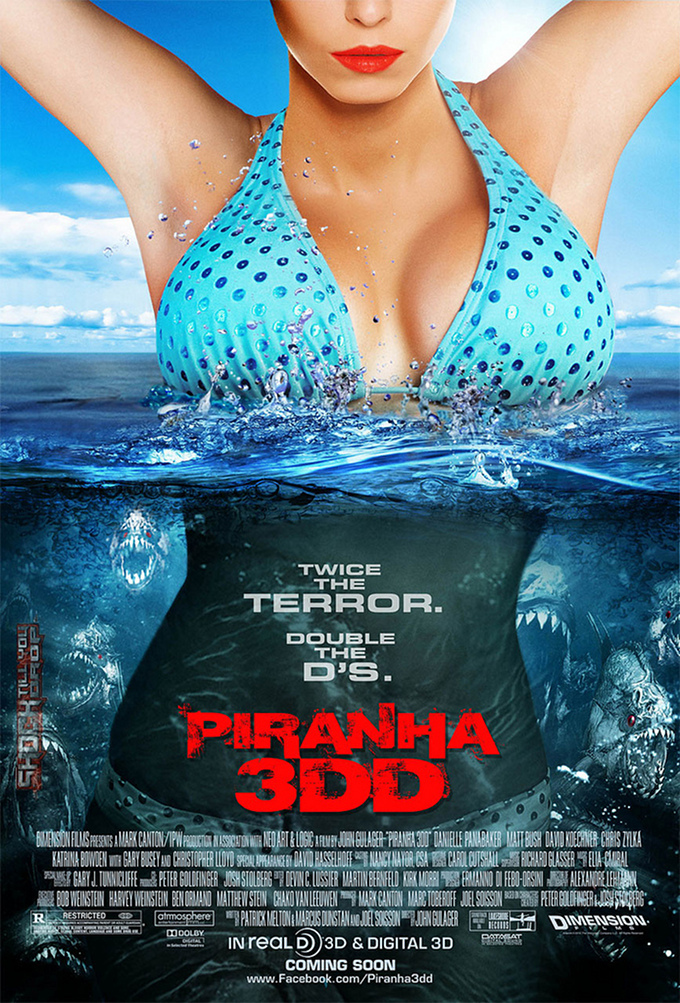
The sequel dives even deeper into self-parody. Directed by John Gulager, Piranha 3DD shifts the action to a newly opened water park where the prehistoric fish find their way into the pipes and filtration systems.
This instalment abandons all pretence of seriousness, replacing tension with outrageous spectacle. The piranhas attack from pool drains, whirlpools, and even bathtubs. Cameos from David Hasselhoff, Ving Rhames, and Christopher Lloyd heighten the camp tone, while the kills grow even more absurd.
Though divisive among critics, Piranha 3DD cemented the franchise as a celebration of its own ridiculousness — a gleeful return to exploitation roots.
Behaviour and Physiology
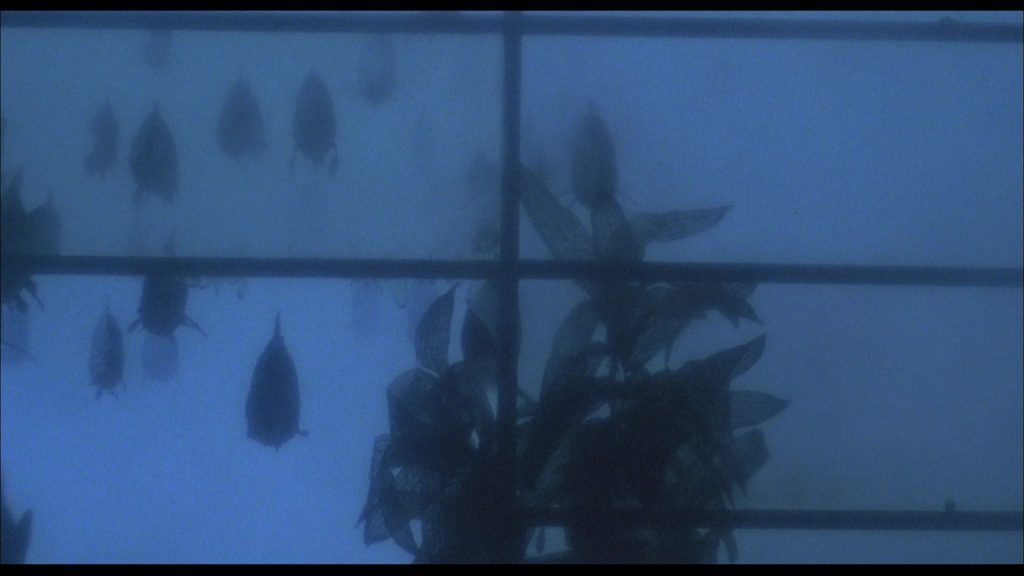
Across every version, the piranhas share the same core traits: hyper-aggression, pack coordination, and insatiable hunger. They kill not out of necessity but instinct, stripping flesh within seconds.
The original films explain their behaviour as the result of military genetic engineering, while the remakes present them as prehistoric survivors. In both cases, they represent nature’s capacity for sudden, uncontrollable revenge.
Their attacks are often foreshadowed by the quiet churn of water, a shimmer beneath the surface, or the faint sound of bubbling. The terror lies in what cannot be seen — the realisation that the water itself has become the weapon.
Themes and Symbolism
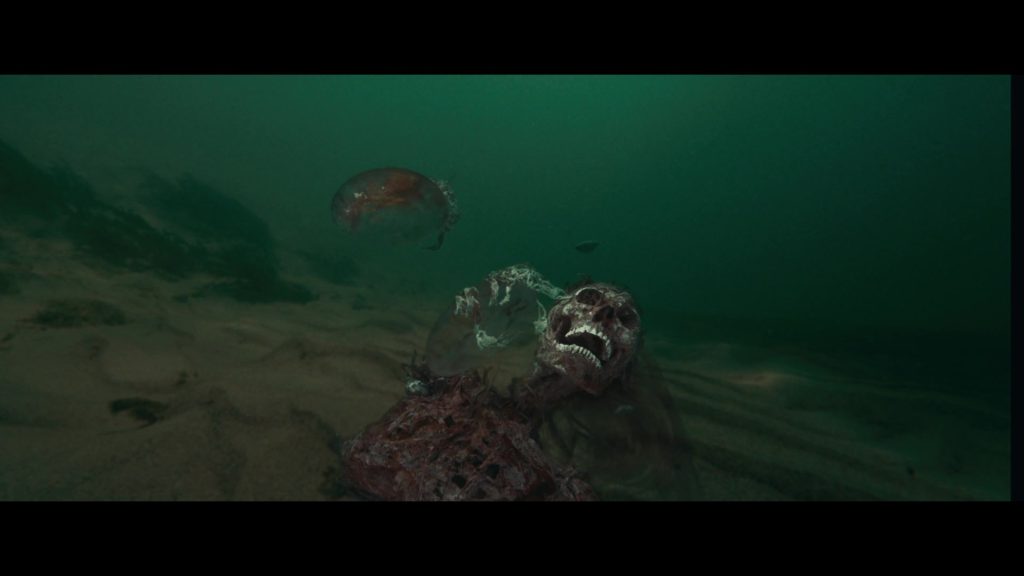
The piranhas serve as metaphors for chaos emerging from human arrogance. Whether created in laboratories or unleashed through geological disturbance, they embody the consequences of tampering with nature.
In the original duology, they reflect Cold War fears of biological experimentation. In the remakes, they become symbols of reckless indulgence — humanity literally consumed by its own hedonism. The lakeside parties and resorts of the later films turn into feeding grounds, transforming celebration into carnage.
Cultural Impact
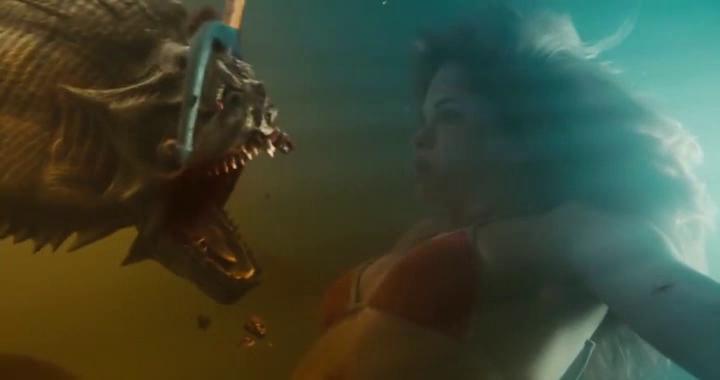
From 1978 to 2012, the Piranha series evolved from serious satire to unapologetic schlock. Yet its influence remains. Joe Dante’s original inspired countless aquatic horror films, while Alexandre Aja’s remake revived the genre with fresh energy and outrageous gore.
The franchise also proved that horror can thrive on reinvention. Each film embraces its own era — 1970s paranoia, 1980s excess, 1990s nostalgia, and 2010s meta-humour — ensuring that the piranhas always find new waters to feed in.
League Placement
The Piranhas belong in the Second Class Tier. They are not singular villains but collective destruction — a swarm of teeth and instinct, devouring both flesh and hubris. Whether born in a lab or freed from the prehistoric depths, they remain cinema’s ultimate feeding frenzy.