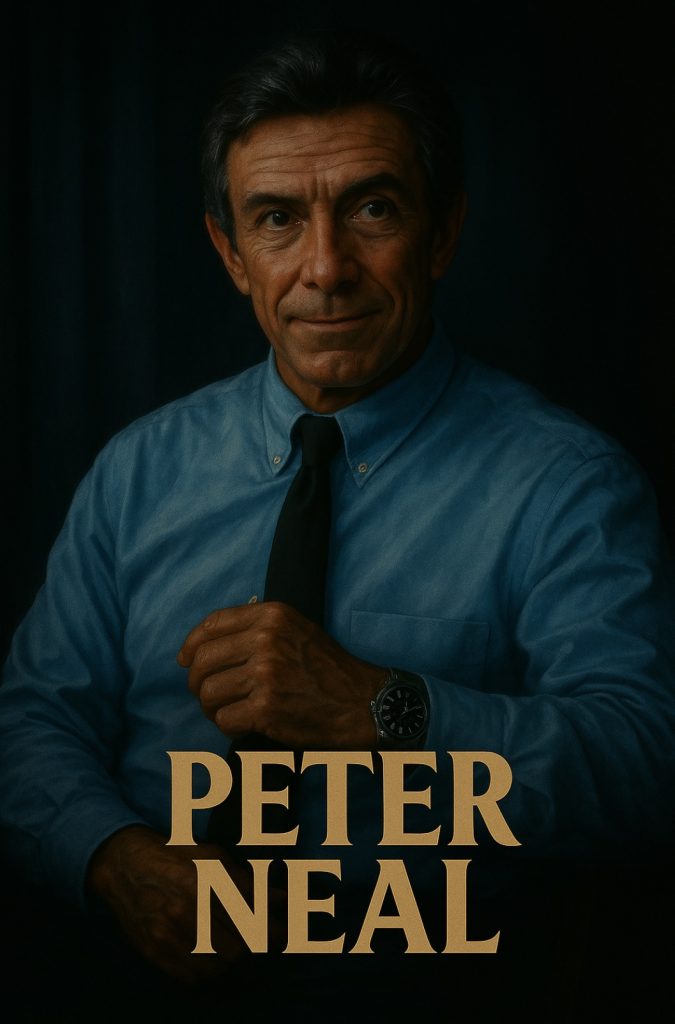
Also Known As: Peter Neal, The Tenebrae Killer
First Appearance: Tenebrae (1982)
Most Iconic Form: A respected crime novelist consumed by the psychosis of his own fiction
Kill Count: Nine confirmed victims
Portrayed by: Anthony Franciosa
Tier: Third Class Tier
Tenebrae (1982)
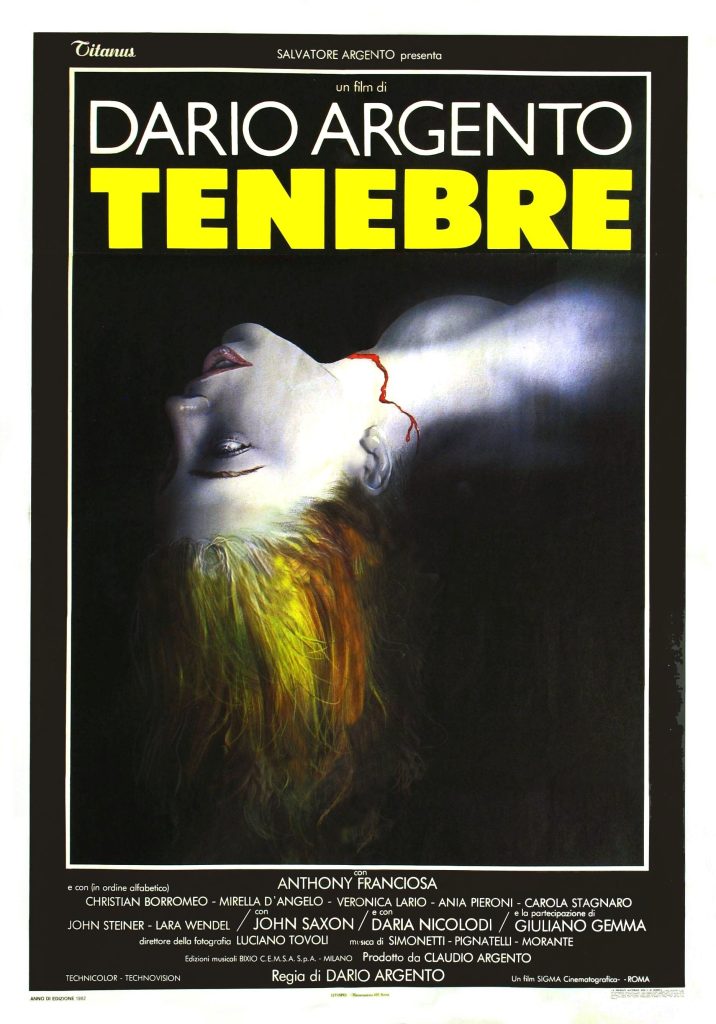
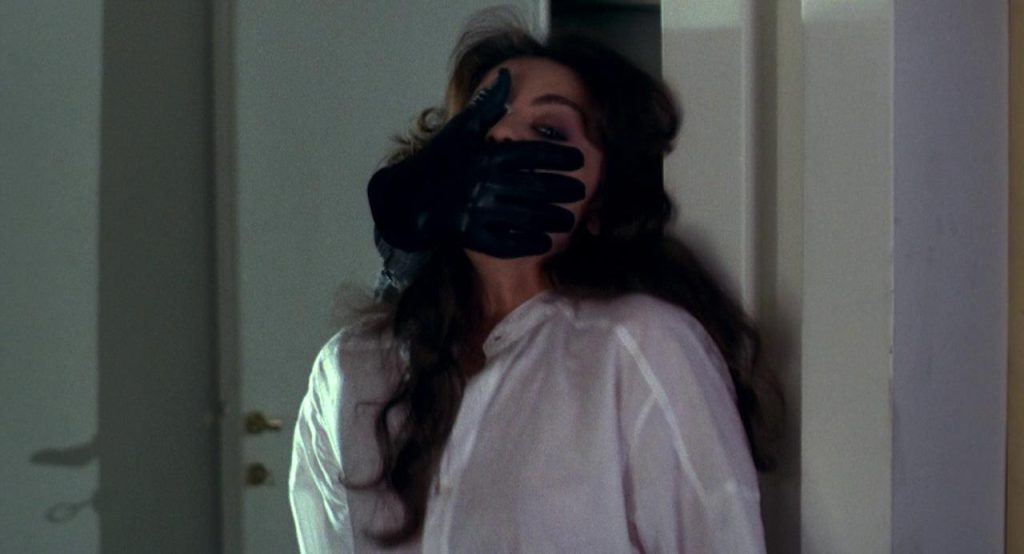
Directed by Dario Argento, Tenebrae is both a sleek giallo thriller and a self-reflective study of artistic violence. The film follows Peter Neal, an American mystery author who travels to Rome to promote his latest book, Tenebrae. His visit coincides with a series of brutal murders that mimic scenes from his own writing.
At first, Neal is drawn into the investigation as a bystander, assisting police as a fascinated observer. Yet as the story unfolds, Argento plays a cruel game of reflection and deceit. Neal’s curiosity about the crimes begins to shift into obsession, and his calm exterior starts to fracture. The murders, performed with razor blades, garrottes, and precise control, echo the stylised killings of Argento’s earlier films.
The first act reveals that the killer is a disturbed fan inspired by Neal’s work, targeting women he believes are corrupt. However, the killer is soon murdered, and a second figure continues the spree. In one of Argento’s most shocking twists, the second murderer is revealed to be Peter Neal himself. Overcome by breakdown and delusion, he assumes the mantle of his imitator, continuing the killings as an act of personal authorship.
The revelation transforms Tenebrae from a whodunnit into a nightmare about creativity and identity. Neal is not corrupted by outside forces, but by his own need to impose control through violence. Each murder becomes an act of writing, the killer’s craft turned literal.
Transformation and Identity
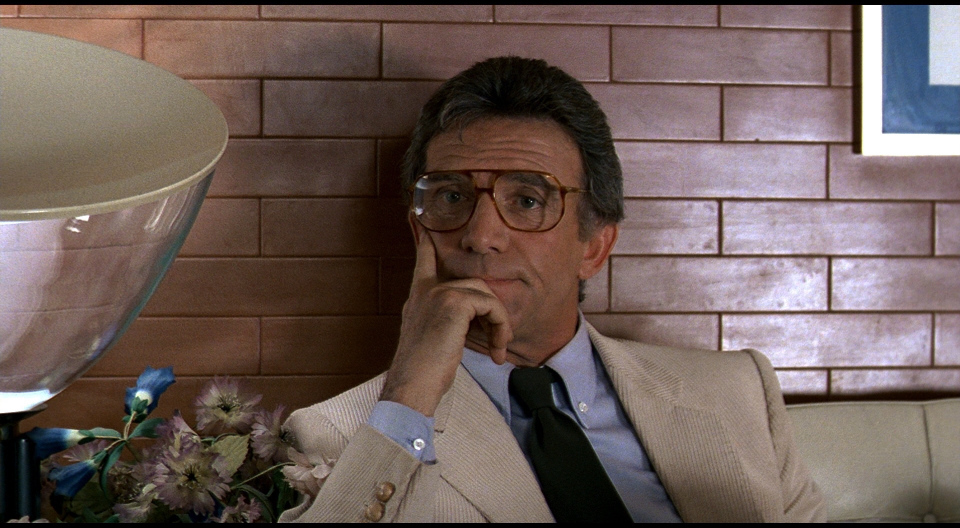
Peter Neal’s descent into madness is born from frustration, ego, and repression. The boundaries between his fiction and reality collapse, until killing becomes his only way to experience clarity. He views his crimes as works of art, purging the world of chaos through order and precision.
Argento visualises Neal’s psychology through the film’s architecture and light. White walls, mirrored spaces, and sharp lines create a world of perfect form that hides sickness beneath its surface. Blood spatters like ink across pristine interiors, turning violence into art. The murders are not wild acts of rage, but performances — rehearsed, refined, and disturbingly beautiful.
By the end, Neal’s identity has disintegrated. He stages his own death to evade capture, only to return for one last act of violence. His eventual impalement on a metal sculpture feels symbolic, the artist destroyed by the tools of his creation.
Symbolism and Legacy

Peter Neal stands as one of Dario Argento’s most personal and self-aware killers. Through him, Tenebrae reflects on the relationship between art and brutality. Neal’s killings are not motivated by pleasure or hatred but by aesthetic purity. He sees murder as a creative process, each victim another sentence in a story written in blood.
Argento uses Neal to confront criticism of his own work, turning the character into a mirror of the filmmaker himself. The result is both confession and provocation: an artist acknowledging the darkness of his imagination while refusing to apologise for it.
Neal’s sophistication, charm, and eventual madness helped redefine the cinematic intellectual killer. His influence can be traced in figures like John Doe in Se7en, Patrick Bateman in American Psycho, and William Lustig’s Maniac Cop in their shared obsession with control through destruction.
League Placement
Peter Neal belongs in the Third Class Tier. A human monster born from intellect and ego, he kills not for lust or survival but for meaning. In his pursuit of artistic perfection, he discovers only madness.