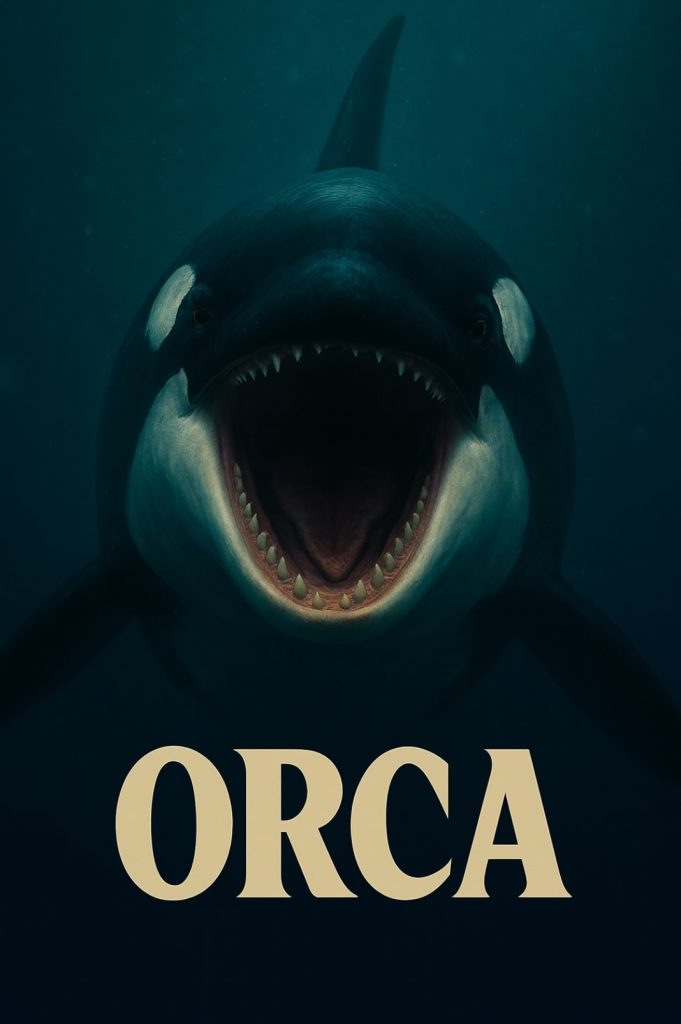
Also Known As: Orca, The Killer Whale, The Sea’s Avenger
First Appearance: Orca (1977)
Most Iconic Form: A powerful black and white whale with intelligent eyes, stalking fishing boats across the frozen Atlantic
Kill Count: At least nine confirmed deaths
Portrayed by: Live footage, animatronics, and scale models
Tier: Third Class Tier
Orca (1977)
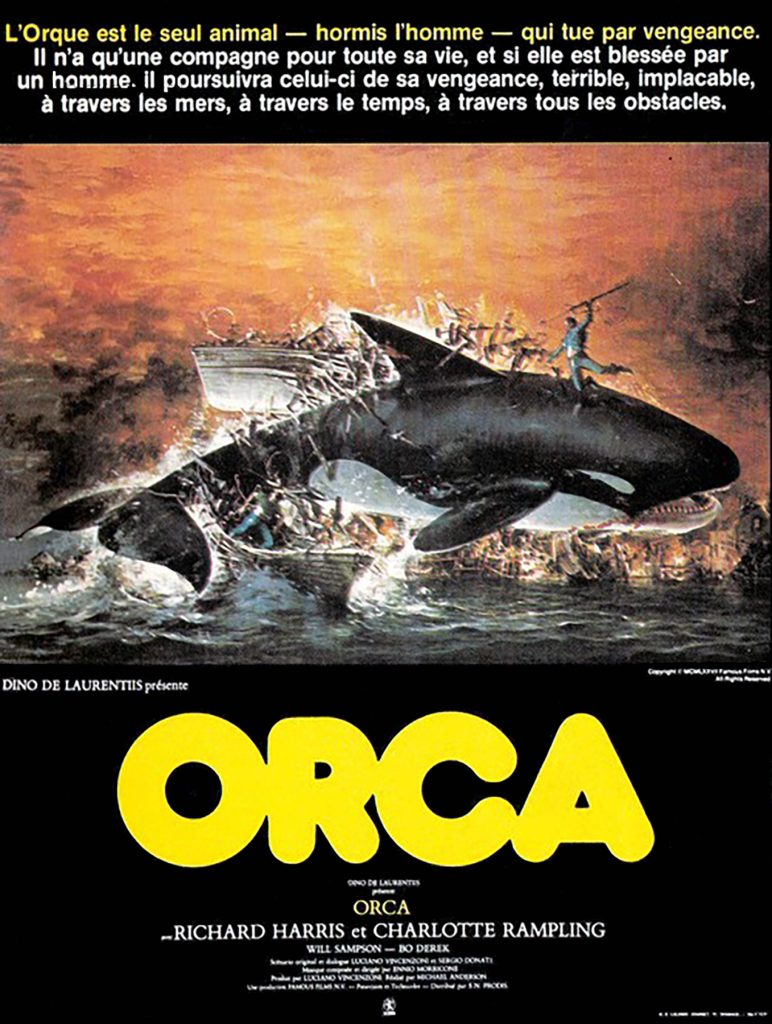
Directed by Michael Anderson and produced by Dino De Laurentiis, Orca was released in the wake of Jaws, yet it took a very different approach. Where Jaws focused on primal fear, Orca explored grief and vengeance. The film opens with Captain Nolan, an Irish fisherman played by Richard Harris, attempting to capture a killer whale to sell to a marine park. The hunt goes horribly wrong. Nolan harpoons a female orca, unknowingly killing her and her unborn calf in a harrowing scene that defines the rest of the story.
The male orca, witnessing the act, becomes fixated on Nolan. What follows is not a series of random attacks but a calculated campaign of revenge. The orca destroys boats, kills crew members, and even sets fire to Nolan’s harbour by knocking over fuel tanks. Each act feels deliberate, guided by an understanding far beyond animal instinct. The film positions the whale as both avenger and mourner, his cries echoing across the sea like grief made audible.
As the story progresses, Nolan becomes consumed by guilt. He recognises intelligence and emotion in the creature that mirrors his own pain. The two become locked in a tragic connection, predator and prey circling each other in an unspoken dialogue of loss and punishment. The orca eventually lures Nolan north into the Arctic waters, isolating him from help. Their final confrontation takes place among the ice floes, where the hunter becomes the hunted. The orca capsizes Nolan’s vessel, forcing him into the freezing sea, and in one final act of vengeance, drags him beneath the ice.
Psychology and Behaviour
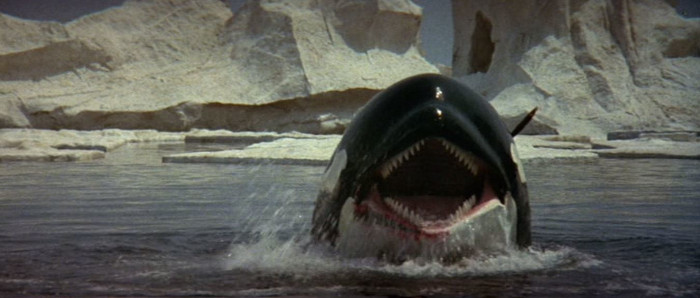
Orca’s violence is not born of hunger but of emotion. He kills out of sorrow, rage, and understanding. The film grants him the full depth of a tragic character, capable of empathy and calculation. His attacks are methodical and purposeful, targeting those who wronged him and sparing those who did not.
The scenes of him watching from the water’s surface are haunting. His eyes convey recognition and fury, suggesting a mind working through grief in the only way it can — through destruction. In this sense, Orca is less a monster and more a mirror of humanity’s own capacity for vengeance.
He is one of the few cinematic creatures portrayed as both killer and victim. His story evokes sympathy even as it terrifies, revealing how nature itself responds when violated and misunderstood.
Symbolism and Themes
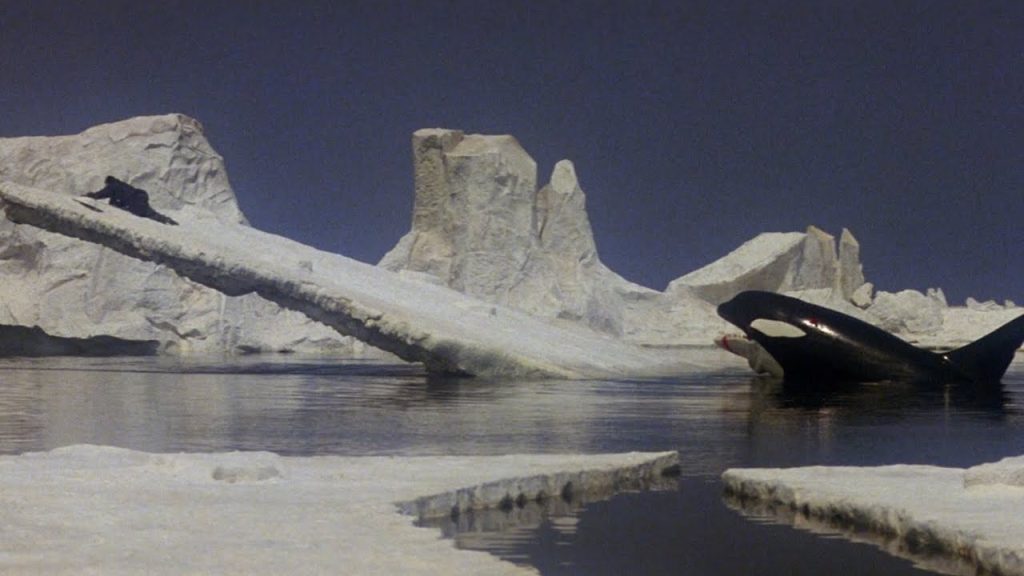
Beneath its surface as an animal horror, Orca explores themes of retribution, guilt, and the natural world’s moral balance. The film frames the whale as an avenger rather than a predator, representing nature striking back against exploitation. Nolan’s guilt becomes a reflection of mankind’s guilt, his death a form of penance.
The film’s icy landscapes and mournful score by Ennio Morricone give it a tone closer to tragedy than thriller. The orca’s cries, blended into the music, evoke both sorrow and majesty. By the end, it is unclear who the true monster is — the whale that kills to avenge its family, or the man who began the cycle of death.
Cultural Impact
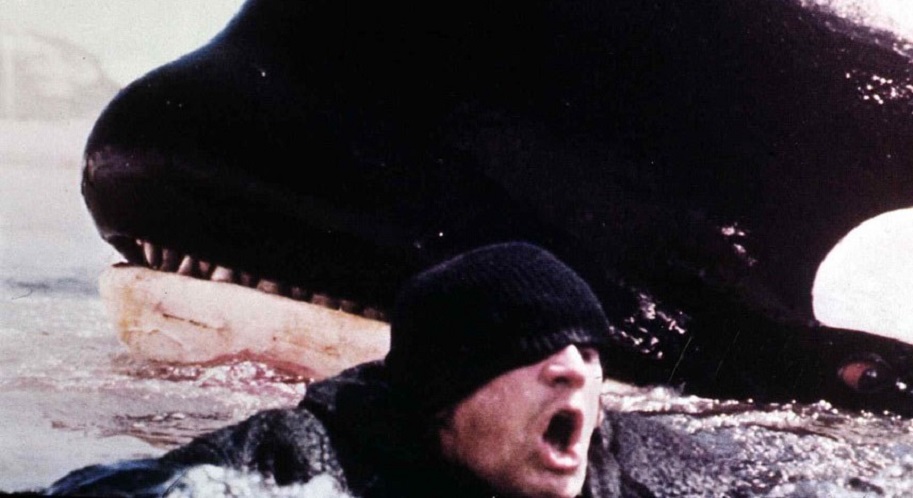
Though often compared to Jaws, Orca has gained a distinct cult following for its emotional complexity. Its depiction of the whale as an intelligent, grieving creature was ahead of its time, anticipating modern discussions about animal consciousness and the ethics of captivity.
The film has since been reassessed as a haunting eco-horror, one that blurs the line between revenge story and environmental allegory. Orca remains one of the most striking examples of creature cinema that demands empathy for the so-called monster.
Orca was released on Blu-ray by Studio Canal.
League Placement
Orca belongs in the Third Class Tier. He is not a mindless killer but a tragic avenger of the deep, driven by loss and intelligence. His story remains a reminder that nature remembers, and that vengeance can be as vast and cold as the sea itself.