
Also Known As: Norman Nordstrom, The Blind Man
First Appearance: Don’t Breathe (2016)
Most Iconic Form: A blind war veteran who turns his home into a killing ground
Kill Count: At least fourteen confirmed victims across both films
Portrayed by: Stephen Lang
Tier: Third Class Tier
Don’t Breathe (2016)

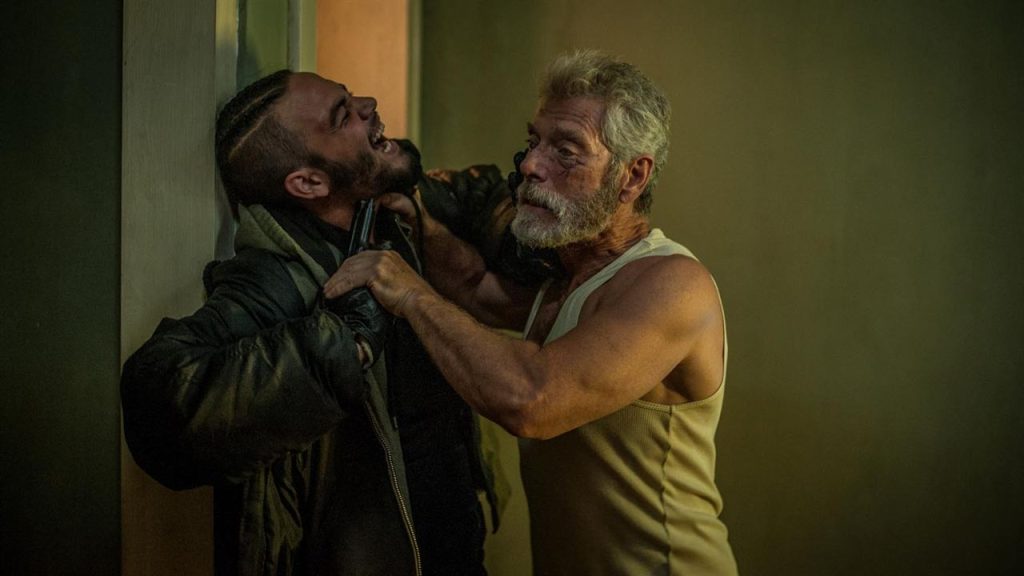
Directed by Fede Álvarez, Don’t Breathe is a tightly wound home invasion thriller that turns the expected roles of victim and villain inside out. The film introduces Norman Nordstrom, a blind veteran living in isolation in a derelict Detroit neighbourhood.
When three young thieves break into his home believing him to be an easy target, they awaken something far more dangerous. Norman is no helpless old man. His military experience and heightened senses make him a hunter even in the dark. He moves silently through the house, using sound and vibration to detect the intruders, and eliminates them with brutal precision.
At first, his violence seems justified. He is defending himself and his home. However, as the intruders discover the basement, the film’s moral balance shatters. Norman has imprisoned a woman who accidentally killed his daughter in a car accident, intending to use her as a surrogate mother to replace the child he lost.
This revelation transforms Norman from victim to villain. His motives, once rooted in loss, have curdled into obsession and delusion. His home is both fortress and tomb, a physical manifestation of his grief and control. His silence and methodical movements make him a presence of constant dread, more beast than man, yet completely human in his suffering.
The film ends ambiguously, with Norman surviving despite his injuries. He remains both monster and martyr, a man who believes his crimes are justified by pain.
Don’t Breathe 2 (2021)
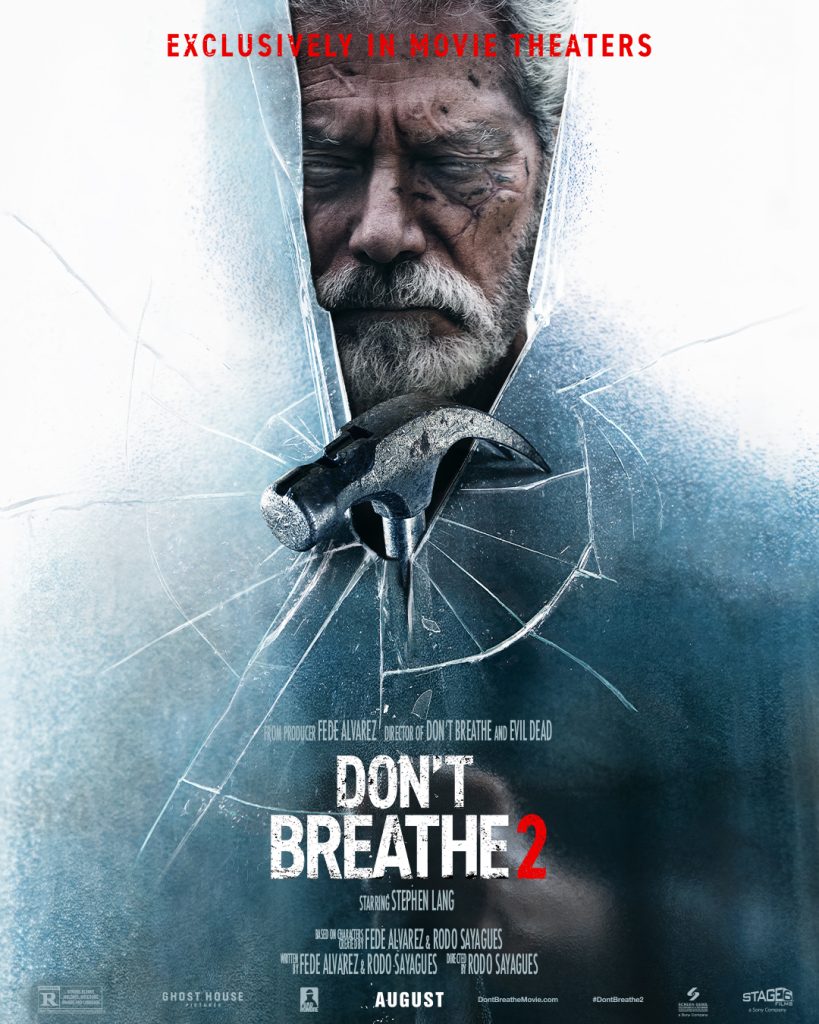
The sequel, directed by Rodo Sayagues, reframes Norman as a reluctant antihero. Several years after the first film, he lives in seclusion with a young girl named Phoenix, whom he claims as his daughter. To her, he is a father figure and protector, but to the audience, he is a man haunted by guilt.
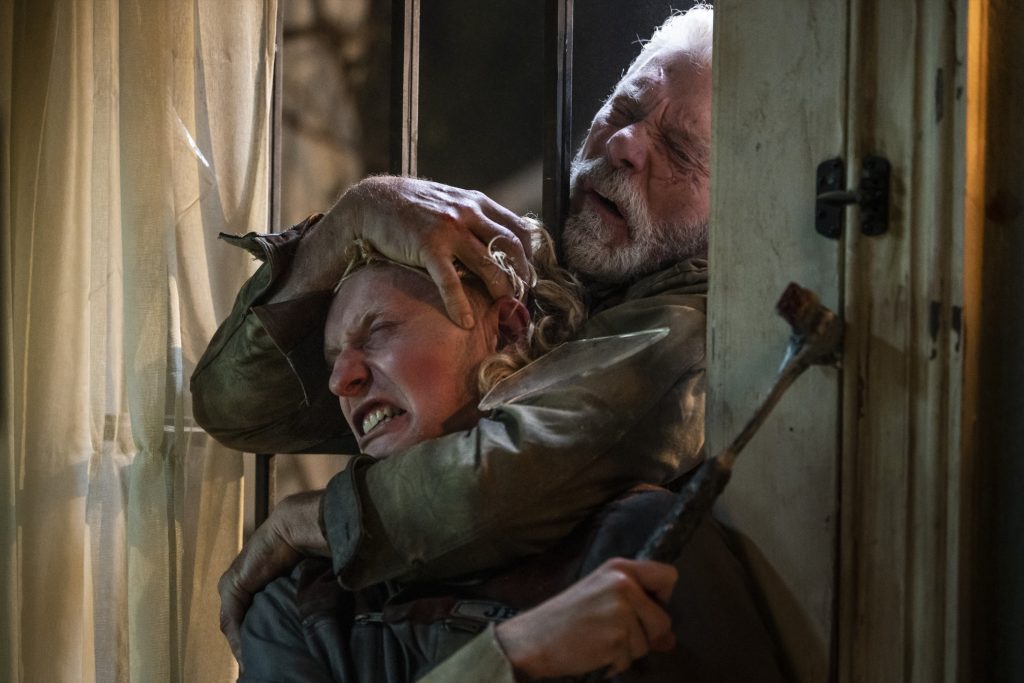
When criminals invade their home to kidnap Phoenix, Norman becomes the predator once more. His skills as a killer are undiminished, and his home again becomes a maze of traps and death. The violence is quick and efficient, but this time his motives appear redemptive. He fights not for revenge, but to protect the only person who gives his life meaning.
As the story unfolds, it becomes clear that Phoenix is not his biological child. He rescued her from a meth lab fire caused by the same criminals who now seek her. Norman’s love for her is genuine but possessive, born from guilt and fear of being alone. He tries to rewrite his past through her, turning protection into control.
The sequel ends with Norman mortally wounded, finally admitting his sins to Phoenix. He asks for no forgiveness, only recognition of who he truly is. His death is neither heroic nor damned, but human — the end of a man who lived too long in darkness.
Character and Symbolism
Norman Nordstrom is the embodiment of moral blindness. His physical lack of sight mirrors his inability to perceive right and wrong. Every action he takes is guided by survival, not conscience. He kills not out of pleasure but because he has lost any moral framework to live by.
He is both predator and prisoner, trapped within his own obsession and grief. His home, sealed from the world, symbolises his mind — closed, fortified, and decaying. The audience fears him not because he is supernatural, but because he is recognisably human.
Norman’s story challenges the idea of justice in horror. He is the rare killer who inspires both disgust and pity. His violence is horrifying, yet his pain is real. He is not evil in the traditional sense, only consumed by the belief that his suffering justifies anything.
Legacy
Stephen Lang’s performance brought Norman Nordstrom to life with terrifying authenticity. The character helped redefine modern horror by grounding it in realism rather than spectacle. Don’t Breathe showed that silence, patience, and control could be more frightening than chaos.
Norman stands among the great human monsters of contemporary cinema — killers without masks or curses, whose terror lies in their conviction. He represents the horror of isolation, the collapse of morality, and the thin line between survival and sin.
League Placement
Norman Nordstrom belongs in the Third Class Tier. He is not a legend or a myth, but a man broken by loss and driven by instinct. His world is small, his violence intimate, and his horror profoundly human.