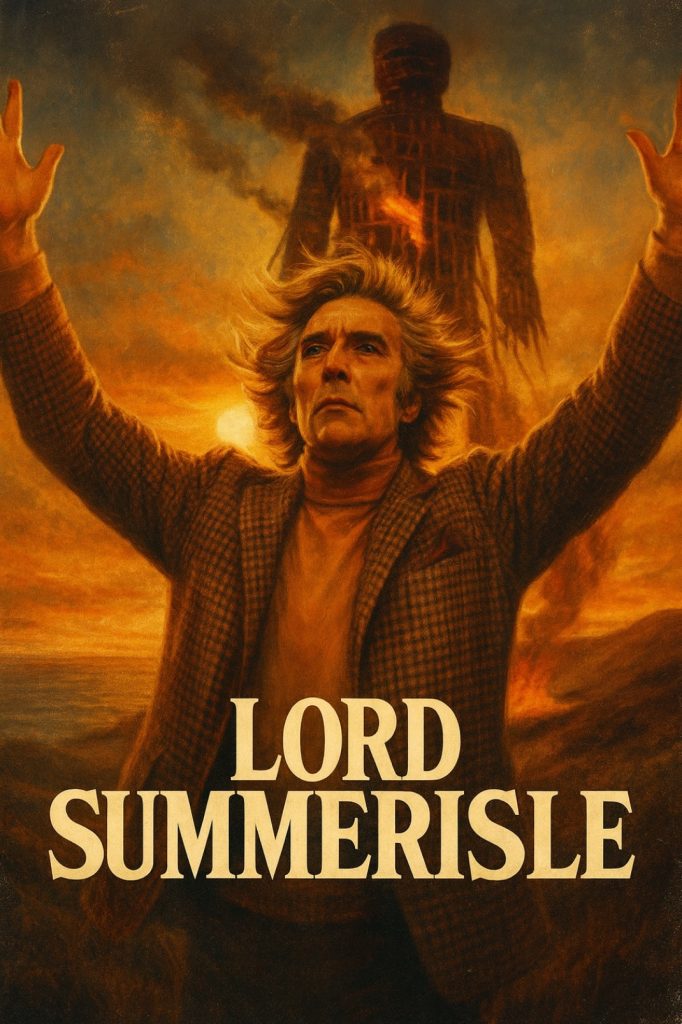
Also Known As: Lord Summerisle, The Laird of Summerisle, The Pagan Lord
First Appearance: The Wicker Man (1973)
Most Iconic Form: A charismatic island lord who oversees a community devoted to ancient pagan ritual
Kill Count: One confirmed victim, with implied responsibility for multiple ritual sacrifices
Portrayed by: Sir Christopher Lee
Tier: Premier Class Tier
The Wicker Man (1973)
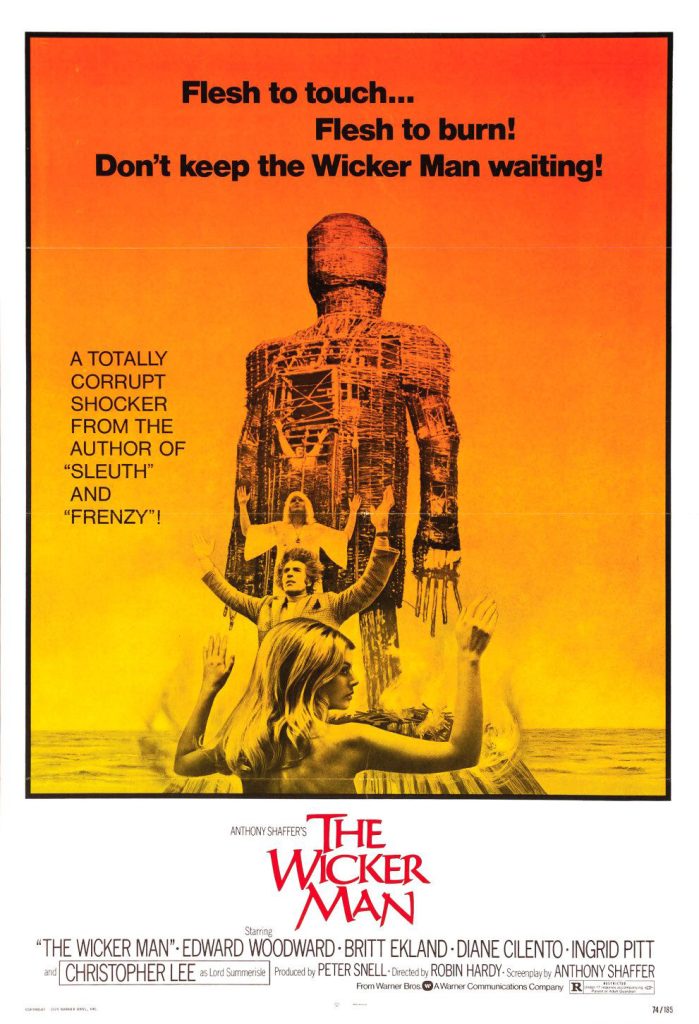
Directed by Robin Hardy, The Wicker Man remains one of the greatest folk horror films ever made. At its centre stands Lord Summerisle, played with elegant menace by Christopher Lee, whose performance is widely regarded as one of the finest of his career.
Lord Summerisle presides over the remote Scottish island that bears his name, a seemingly idyllic community that thrives through a combination of pagan belief, agricultural ritual, and the charismatic authority of its leader. He is not presented as a tyrant or brute but as a cultured, eloquent, and persuasive figure, a man who speaks with the assurance of absolute conviction.
When Sergeant Neil Howie, a devout Christian policeman from the mainland, arrives to investigate the disappearance of a young girl, Summerisle welcomes him with calm politeness. Yet every conversation carries an undercurrent of challenge. Summerisle represents a worldview that predates Christianity, one rooted in natural cycles, fertility rites, and the worship of sun, fire, and earth.
He explains the island’s history with unsettling clarity. His grandfather introduced new agricultural methods by appealing to the islanders through the old gods, revitalising a culture that had lain dormant. Over generations, the pagan practices became fused with community identity, and by the time of the film’s events, they have become absolute truth.
Throughout the story, Lord Summerisle remains a mystery. Is he a believer or simply a manipulator who uses myth to maintain control? The film leaves this ambiguous. His confidence is unshakable, and his serene manner makes him far more frightening than any conventional villain.
The truth is revealed only at the climax. The poor harvest, the failing crops, and the islanders’ growing desperation have led the community to seek divine favour through human sacrifice. Sergeant Howie has been lured to the island not to solve a mystery, but to become a martyr. Summerisle calmly confirms that his arrival was planned from the start.
The final sequence, in which Howie is led to the towering wicker effigy, stands as one of cinema’s most enduring images. Lord Summerisle recites lines of poetry and scripture with a reverent smile as the flames rise. His belief appears complete. In this moment, he becomes the embodiment of ideological horror: a man who can justify any cruelty through faith in tradition and cosmic balance.
The film ends with the Wicker Man engulfed in fire as Summerisle’s people chant in celebration. Whether the sacrifice succeeds or not is left unresolved, but the certainty in Summerisle’s eyes suggests that his world view will endure long after the flames die.
The Wicker Man (2006)
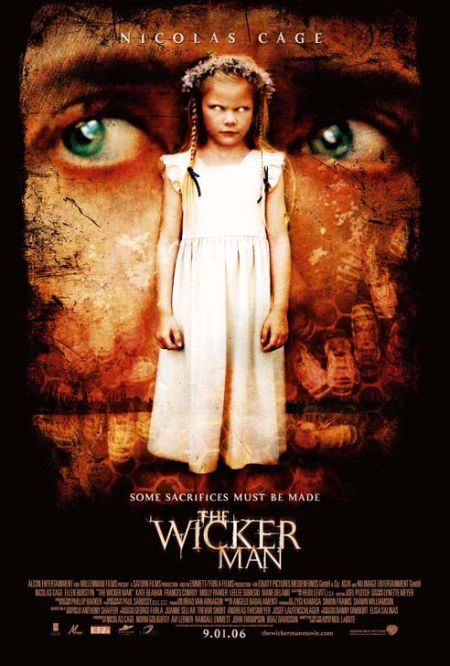
Lord Summerisle does not appear in the 2006 remake, which reimagines the narrative and setting. However, his influence permeates the story. The island’s matriarchal hierarchy mirrors the manipulative power structure he embodied, demonstrating how the original character established a template for folk horror leaders who wield belief as a weapon.
Character and Symbolism

Lord Summerisle is one of the most complex human antagonists in horror. He does not kill out of malice, greed, or madness. His actions are rooted in ideology, ritual, and the preservation of his community’s way of life. His personality is calm, persuasive, and almost fatherly, making his cruelty all the more chilling.
He represents the danger of unquestioned belief, the power of ancient tradition, and the seduction of charismatic leadership. In his hands, ritual becomes rational, sacrifice becomes necessary, and the individual becomes expendable. He is a reminder that the most frightening horrors are often carried out by people who truly believe they are doing good.
Legacy
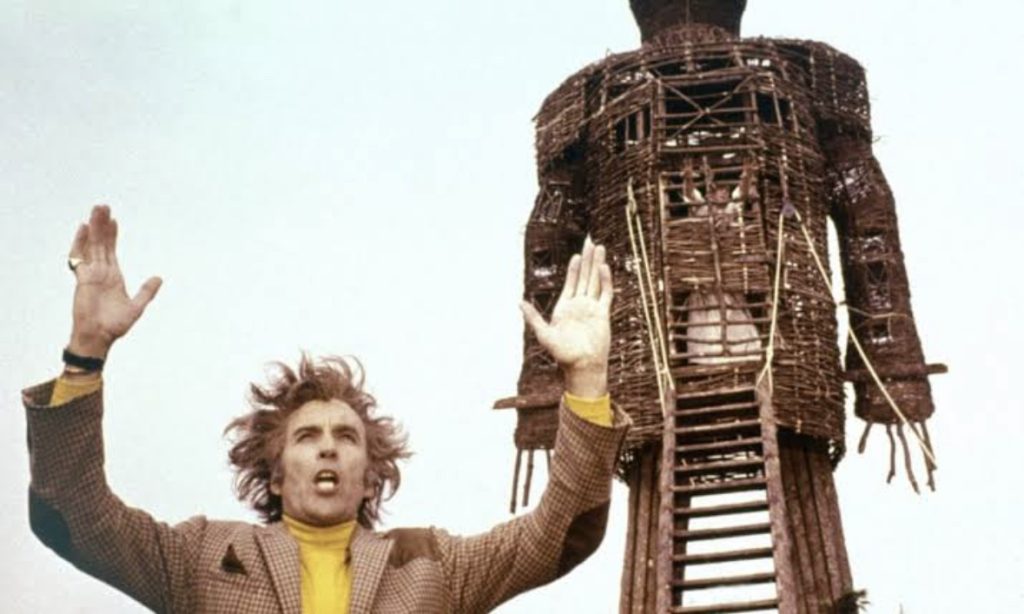
Lord Summerisle is one of Christopher Lee’s most iconic roles and a cornerstone of the folk horror genre. He stands beside figures like the leaders of The Blood on Satan’s Claw and Midsommar as a symbol of rural mysticism and the ancient world lying beneath civilisation.
His influence can be traced in countless stories where community, ritual, and belief converge to form a quiet but unstoppable horror. He remains a reminder that evil does not need violence. It only needs conviction.
League Placement
Lord Summerisle belongs in the Premier Class Tier. He is an enduring symbol of ideological terror, a leader whose kindness masks cruelty and whose devotion turns murder into ceremony.