First Appearance: The Texas Chain Saw Massacre (1974)
Portrayed by: Gunnar Hansen, Bill Johnson, R.A. Mihailoff, Robert Jacks, Andrew Bryniarski, Dan Yeager, Sam Strike, Mark Burnham
Estimated Kill Count: 30–70+ across all films and timelines
Who Is Leatherface?
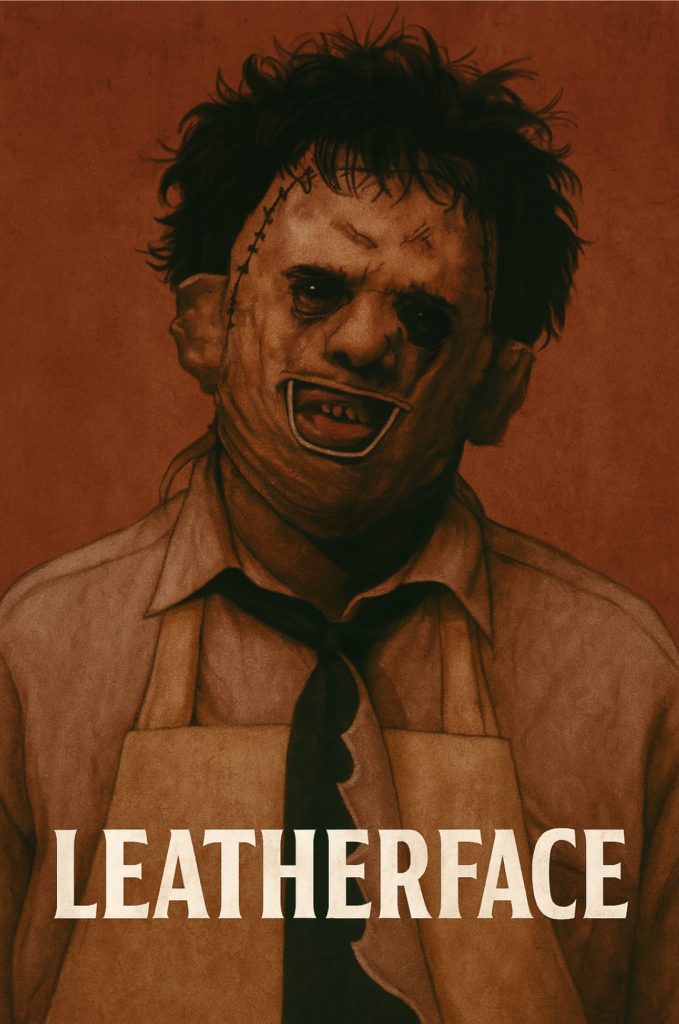
Leatherface is a hulking, chainsaw-wielding butcher from a twisted cannibal family deep in rural Texas. Named for the masks he wears—stitched together from human skin—he rarely speaks, grunts like an animal, and follows his family’s commands without question. But behind the brutality lies something more tragic: a stunted, mentally abused man-child, made into a monster by his environment. Leatherface isn’t evil in the traditional sense — he’s a weapon raised in isolation, used by his family to trap, kill, and butcher the unfortunate souls who wander too close.
He represents the dehumanizing power of madness, family control, and violence — a killer more sympathetic than sadistic, but no less terrifying.
Film Appearances
The Texas Chain Saw Massacre (1974)
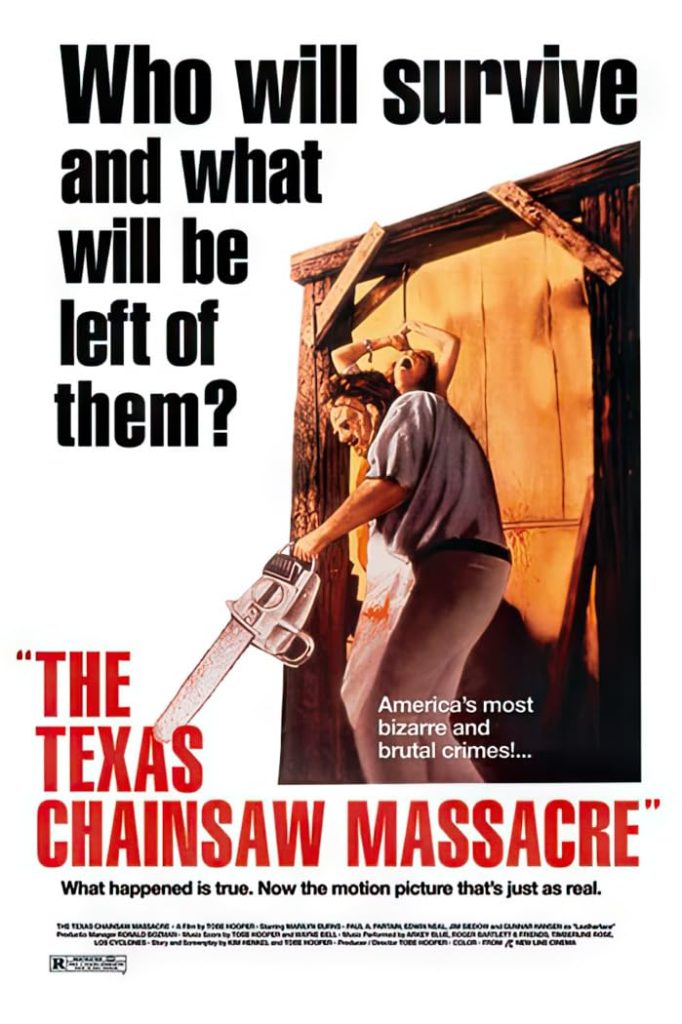
Portrayed by: Gunnar Hansen
The original Leatherface is raw, unfiltered horror. He doesn’t stalk — he erupts, appearing suddenly and dispatching victims with terrifying speed. Whether it’s a sledgehammer to the skull or impaling a victim on a meat hook, his violence is fast, loud, and animalistic. He wears different masks depending on his “role” — the “Killing Mask”, “Old Lady Mask”, and “Pretty Woman Mask”, reflecting his fractured identity and need to play social roles.
What makes this Leatherface chilling is his unpredictability. He panics, whimpers, and obeys orders like a child — even after brutally killing someone. He’s not hunting out of cruelty — he’s doing what he’s been taught. Hansen’s physicality — wide stances, sudden movement, heavy breathing — creates a creature that feels both powerful and confused. This is pure, unrefined terror.
The Texas Chainsaw Massacre 2 (1986)
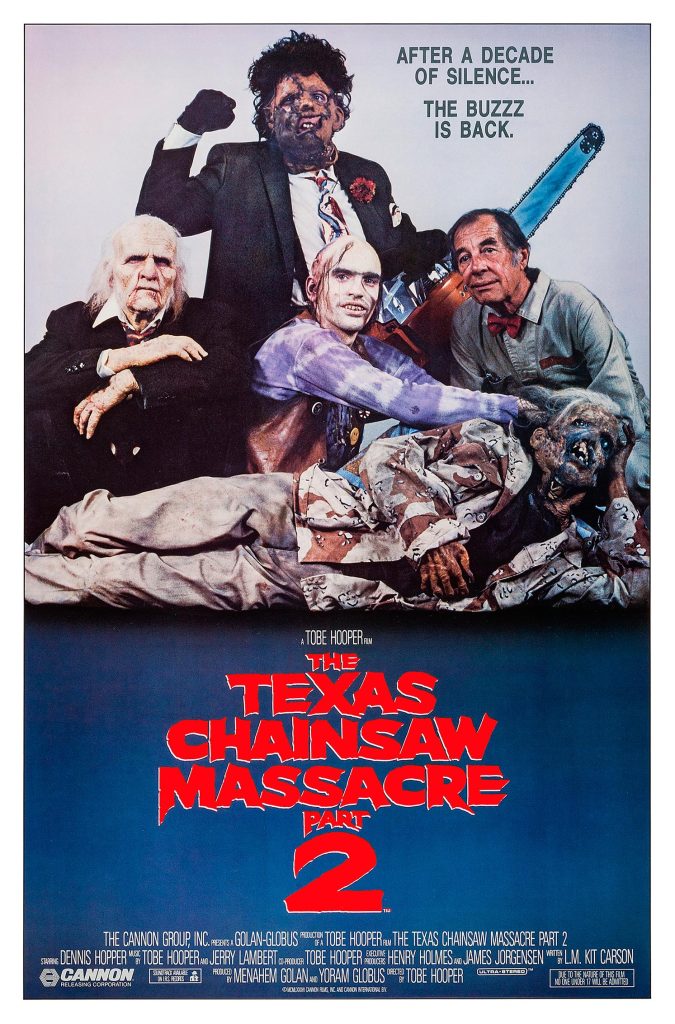
Portrayed by: Bill Johnson
This sequel leans heavily into dark comedy and exaggeration. Leatherface becomes almost sympathetic, developing a strange attraction to radio host Stretch. He shows moments of hesitation, conflict, and even tenderness — something rarely seen in other slashers. But his loyalty to his family remains, and when pushed, he explodes into chainsaw-wielding violence.
Here, Leatherface is less terrifying and more theatrical. He dances with his chainsaw, dons a bizarre metal-plated face mask, and becomes a caricature of the original monster — but still deadly. The film treats him as a tragic brute, caught between desire and obedience.
Leatherface: Texas Chainsaw Massacre III (1990)

Portrayed by: R.A. Mihailoff
This version of Leatherface is stronger, faster, and more sadistic. He’s presented as a nearly unstoppable killing machine, less conflicted and more focused. He uses not just a chainsaw, but a massive, custom-made saw etched with the words: “The Saw is Family.”
This film returns to the gritty horror tone of the original, with Leatherface acting as a silent enforcer for his cannibal family. His face is more grotesque, and he grunts like an enraged animal. There’s no charm here — only raw, unthinking violence.
Texas Chainsaw Massacre: The Next Generation (1995)
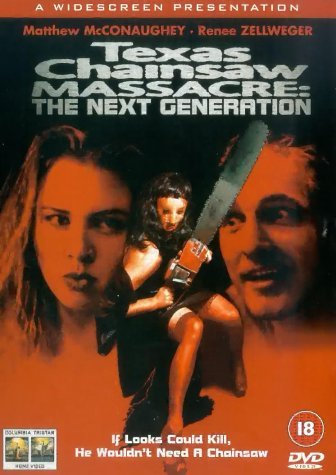
Portrayed by: Robert Jacks
This controversial and surreal entry presents Leatherface as a shrieking, cross-dressing caricature, alternating between terrifying and absurd. His actions are erratic, his mask heavily stylized, and his personality more exaggerated than ever before.
He’s no longer just a killer — he’s part of a strange conspiracy involving a secret government group controlling chaos through terror. While divisive, this version tries to explore Leatherface’s gender identity and fragility — but loses much of the character’s grounded fear factor in the process.
The Texas Chainsaw Massacre (2003 Remake)
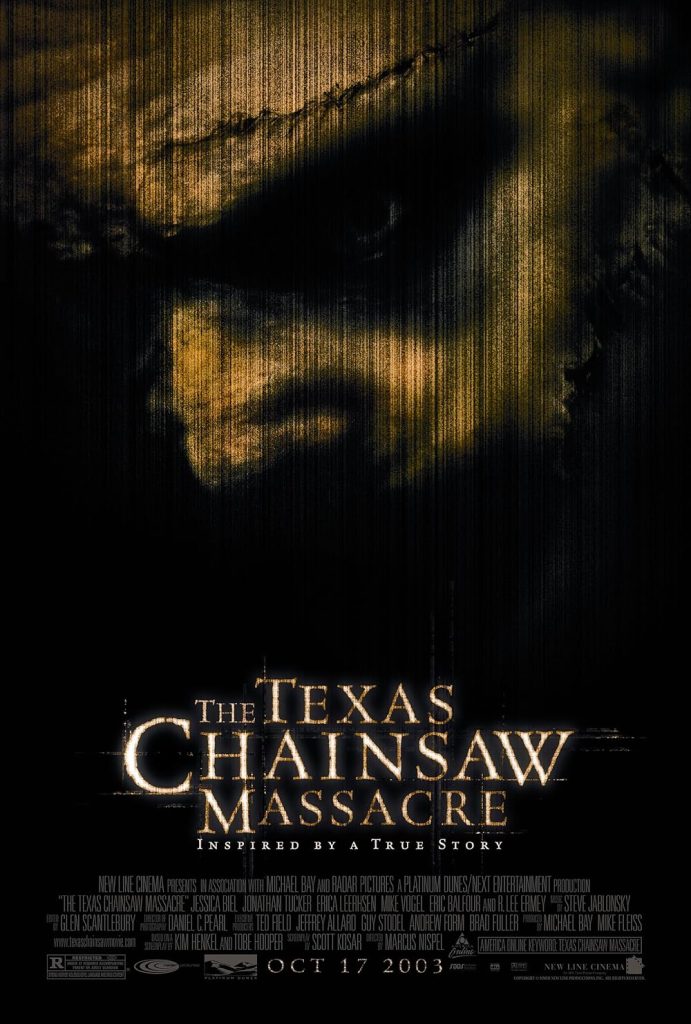
Portrayed by: Andrew Bryniarski
This Leatherface is the most physically intimidating to date. Towering, silent, and brutal, he’s less human than in any prior film. Raised by a family of sadists who mock his deformities, he wears masks to hide his disfigured face. His rage is bottled, his violence explosive.
This version replaces tragedy with pure menace. He chases, lifts victims into the air, and cuts through bodies with relentless strength. His lair is a slaughterhouse of horror — chains, bones, and blood everywhere. This Leatherface is a horror titan, and the film leans hard into visceral gore and relentless dread.
Texas Chainsaw Massacre: The Beginning (2006)

Portrayed by: Andrew Bryniarski
A prequel to the 2003 remake, this film shows Leatherface as a young boy named Thomas Hewitt, born with a skin disease, abandoned in a dumpster, and raised by the sadistic Hewitt family. He’s shown working in a meat factory, already dangerous and withdrawn, long before the chainsaw.
As the film progresses, he claims his first victims, crafts his first mask, and embraces his identity as the family executioner. This version is tragic and terrifying — made into a monster by a world that rejected him.
Texas Chainsaw 3D (2013)

Portrayed by: Dan Yeager
Set as a direct sequel to the 1974 original, this version reintroduces Leatherface as an older man living in hiding. When his home is raided, he returns to killing with grim purpose. But he’s also shown to have a protective side — especially toward his cousin, Heather.
This Leatherface is a loyal soldier, killing out of duty and bloodline. While the film struggles with tone, it portrays Leatherface as a relic of a broken legacy, clinging to the only thing he knows: the saw.
Leatherface (2017)
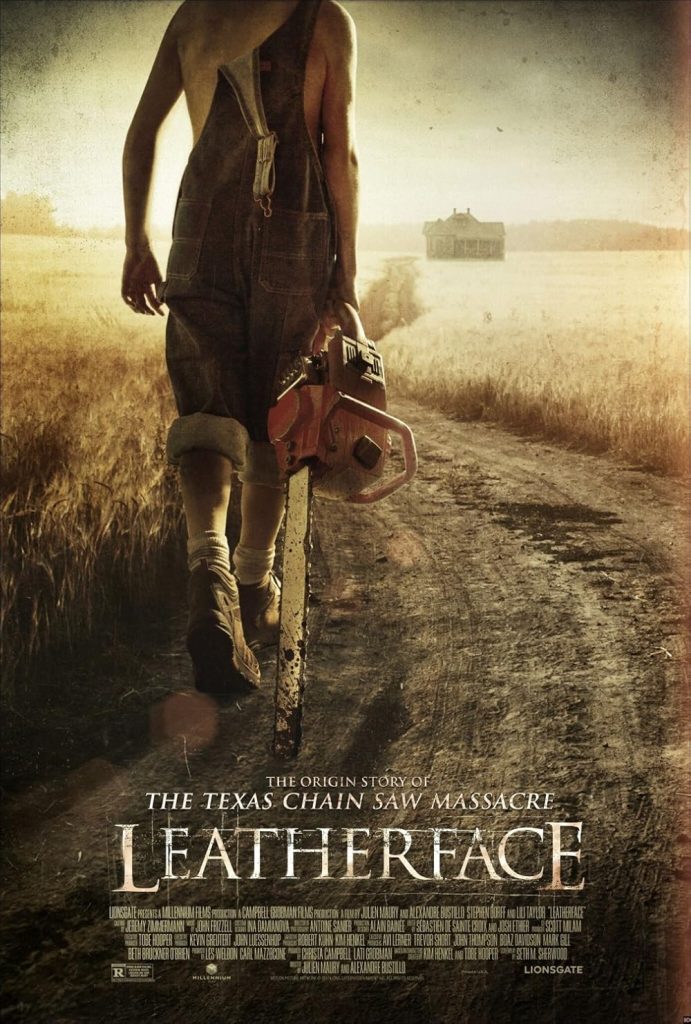
Portrayed by: Sam Strike (young), Boris Kabakchiev (masked)
This origin story focuses on young Jedidiah Sawyer — later Leatherface — escaping a mental facility and descending into violence. As he runs with a group of violent escapees, he’s exposed to trauma, betrayal, and madness. His eventual transformation into Leatherface is slow, brutal, and tragic, culminating in his first use of the chainsaw.
This film emphasizes that Leatherface isn’t born — he’s forged through pain and loss.
Texas Chainsaw Massacre (2022)
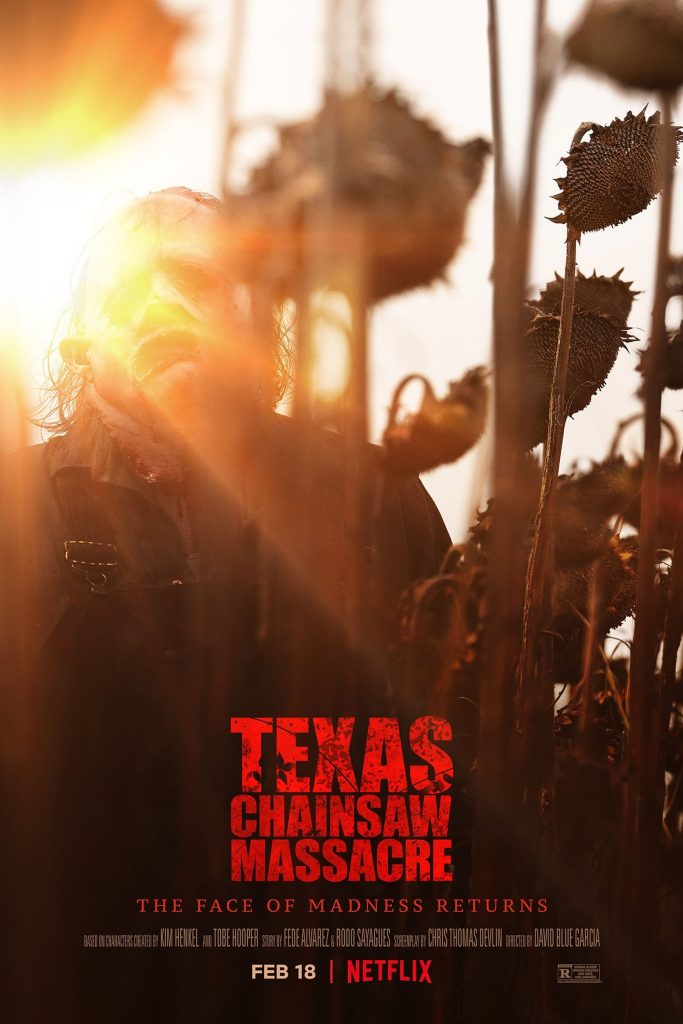
Portrayed by: Mark Burnham
Set decades after the original, this film presents an aged, silent Leatherface living in isolation — until a group of social media influencers disturb his home. After the death of his caretaker, he returns to the mask and unleashes unrelenting violence.
This Leatherface is old, but unstoppable. He slaughters a bus full of victims, returns to chainsaw duels, and kills with the fury of a ghost woken from sleep. He doesn’t speak, doesn’t hesitate — he simply destroys.
Personality & Methods
- Silent Executioner: Rarely speaks. Communicates through actions, grunts, and body language.
- Emotionally Childlike: Often confused, obedient, and fearful — killing not from hate, but conditioning.
- Mask as Identity: Different masks represent “roles” — butcher, mother figure, or victim.
- Family Weapon: Leatherface rarely kills for pleasure. He does so because he’s told to. That’s all he’s ever known.
Other Media & Legacy
- Video Games:
- The Texas Chain Saw Massacre (2023): Asymmetrical multiplayer game featuring multiple Leatherface variations.
- Dead by Daylight: Leatherface appears as “The Cannibal,” complete with chainsaw charge attacks and unlockable masks.
- Guest in Mortal Kombat X with brutal, over-the-top finishers.
- Merchandise:
- NECA, Mezco, and Trick or Treat Studios have produced detailed Leatherface figures across all versions — classic, remake, and game variants.
- Replicas include masks, bloodied aprons, and working prop chainsaws.
- Influence:
Leatherface is often credited as the first modern slasher villain, inspiring Freddy, Jason, and Michael. His crude violence and lack of supernatural powers make him one of the most grounded and terrifying horror icons.
League Placement
Infamous Class
A lost child behind a mask of flesh. Leatherface doesn’t hunt. He reacts. And when he reacts, the chainsaw sings.