
First Appearance: Saw (2004)
Portrayed by: Tobin Bell
Kill Count: 60+ (directly and indirectly through traps and apprentices)
Who Is Jigsaw?
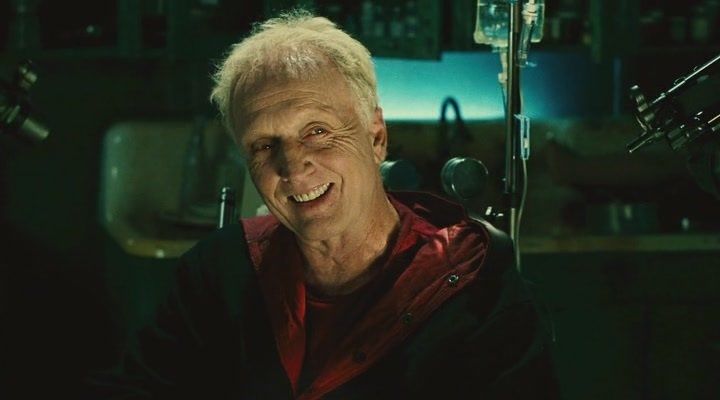
John Kramer, known as Jigsaw, is unlike most killers in the Hall. He doesn’t see himself as a murderer — he believes he’s a teacher. A civil engineer diagnosed with terminal cancer, Kramer becomes disillusioned with the value people place on their lives. He designs elaborate “games” to test their will to live — often placing them in grotesque traps that force self-mutilation, sacrifice, or moral reckoning.
But here’s the paradox: he never actually kills anyone. He gives his victims a choice. If they die, it’s because they failed to learn. And yet… few survive. Jigsaw’s genius lies not only in his trap designs, but in his moral absolutism, chilling calmness, and the way he builds a legacy that outlives him — through apprentices, blueprints, and ideology.
He’s not a monster. He’s a man who decided to become death’s architect.
Film Appearances
Saw (2004)
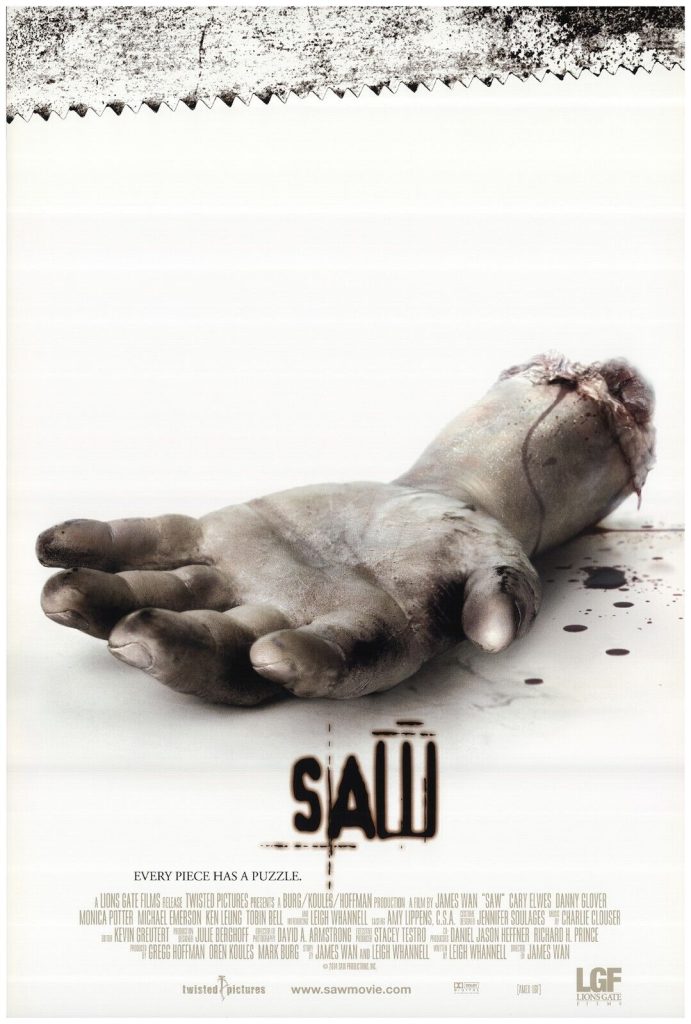
We meet John Kramer — or rather, we don’t — until the final twist. The bulk of the film follows two men trapped in a filthy bathroom, each given instructions to survive. A corpse lies between them the entire time. Only at the end do we learn the truth: the corpse is Jigsaw, playing dead to observe his victims.
This twist made horror history. John Kramer, pale and weak, is still in total control, watching his “players” fail his moral puzzle. His voice on the tape — cold, distant, commanding — becomes iconic. He doesn’t flinch. He doesn’t chase. He sets the rules and waits. And when the game ends, he simply walks away.
Saw II (2005)

Now physically present and captured by police, Kramer remains unshaken. While officers interrogate him, another game unfolds in a locked house full of victims — including the son of Detective Eric Matthews. Kramer watches the chaos remotely, calmly explaining that if Matthews just sits and talks with him, his son will be safe.
This entry solidifies Jigsaw as a manipulator and planner, with traps already set long before the film begins. His cancer has progressed, but his mind is sharp. He uses time, stress, and morality as weapons. It also introduces Amanda Young — a survivor of his game — who we later learn has become his apprentice.
Saw III (2006)

Jigsaw is near death, bedridden and hooked to machines. But his reach is no less deadly. He orchestrates a new game for a grieving father, while Amanda sets up her own rigged traps. The tension comes from both his physical fragility and mental dominance.
This film explores Kramer’s psyche deeply — revealing his motivations, his belief in redemptive suffering, and his disappointment in Amanda’s failure to follow his philosophy. When Amanda kills a victim who had no chance to escape, Jigsaw punishes her. He is a twisted purist — not a killer for fun, but a prophet whose message cannot be corrupted.
He dies at the film’s end — throat slit, heart stopped — but leaves behind a tape in his stomach… with a new game ready to begin.
Saw IV (2007)
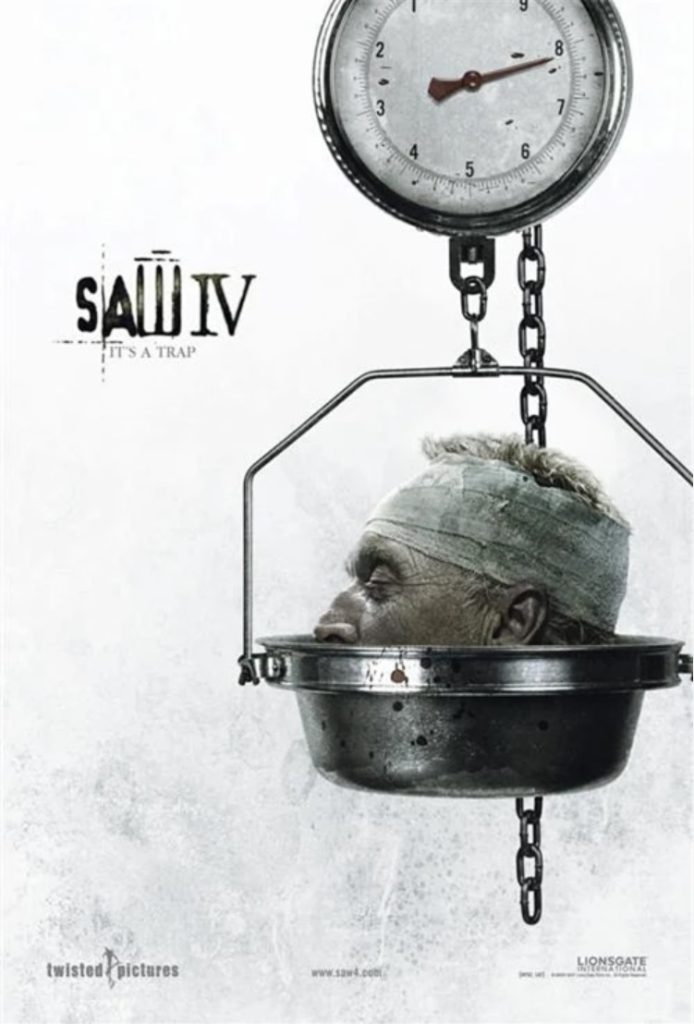
Despite being dead, Kramer’s influence expands. Through flashbacks, we learn of his tragic past: his unborn child was killed during a robbery, he attempted suicide after his cancer diagnosis, and from that moment forward, he devoted himself to forcing others to appreciate life.
Meanwhile, new traps unfold in real time — all designed before his death. The reveal: the events of Saw III and IV happened simultaneously, orchestrated to the second. Even in death, Jigsaw is two steps ahead.
Saw V (2008)
Jigsaw’s legacy continues through Detective Mark Hoffman, a corrupt cop turned apprentice. This entry explores how Hoffman’s brutal, less fair traps begin to pervert Kramer’s ideology. Flashbacks show how Jigsaw recruited him — not with threats, but with logic.
Kramer, even posthumously, is shown to be meticulous, methodical, and unyielding in his principles. His fingerprints are everywhere, even as others try to take credit for his work.
Saw VI (2009)

This entry returns to Kramer’s original message — testing those in positions of power. He targets an insurance executive who denied him coverage, leading to a series of brutal tests involving choice, sacrifice, and empathy.
Through tapes and flashbacks, we see Jigsaw at his sharpest: articulate, philosophical, and chillingly calm. His speeches here — about valuing life, consequence, and survival — are some of the most powerful in the franchise.
Saw 3D / The Final Chapter (2010)
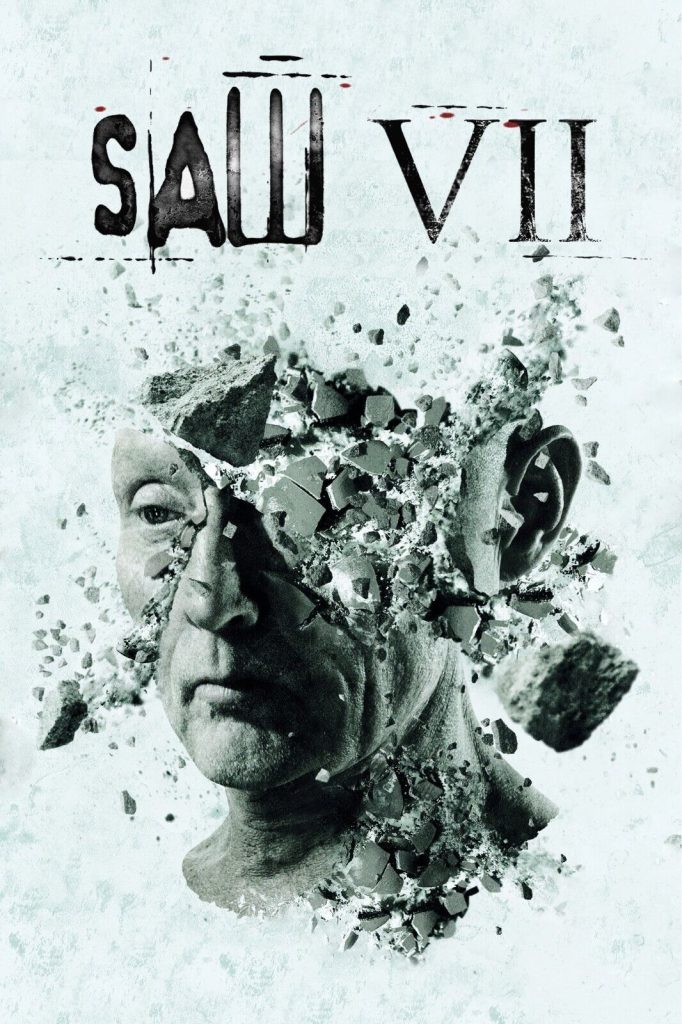
As Hoffman goes rogue, killing indiscriminately, Jigsaw’s final contingency is activated. Dr. Gordon, a survivor from the original film, is revealed to be another hidden apprentice — ensuring that Jigsaw’s legacy ends on his terms.
Even years after his death, John Kramer’s design remains intact. He outsmarts the rogue disciple, reclaims his ideology, and ensures that his philosophy lives on… in blood and puzzle pieces.
Jigsaw (2017)
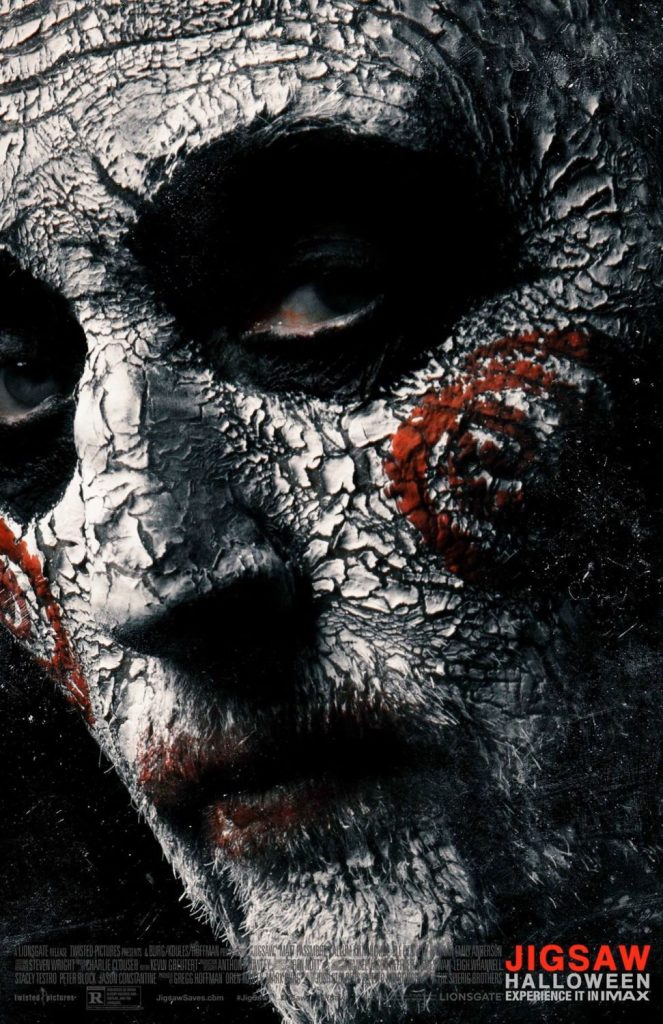
Set years after his death, bodies begin appearing with Jigsaw’s signature. The film introduces a new twist: one of Kramer’s first test subjects — thought dead — survived and became a new disciple, continuing his work. Flashbacks show a younger Kramer refining his methods, choosing subjects with increasing complexity.
The myth of Jigsaw grows — he’s no longer a man, but a legacy of judgment.
Spiral: From the Book of Saw (2021)
A copycat killer targets corrupt police officers using Jigsaw-inspired traps. While Kramer himself doesn’t appear, his ideology and symbolism loom large. It’s clear now: Jigsaw is no longer a person — he’s an idea. One that can be replicated, reinterpreted, and weaponized.
Saw X (2023)
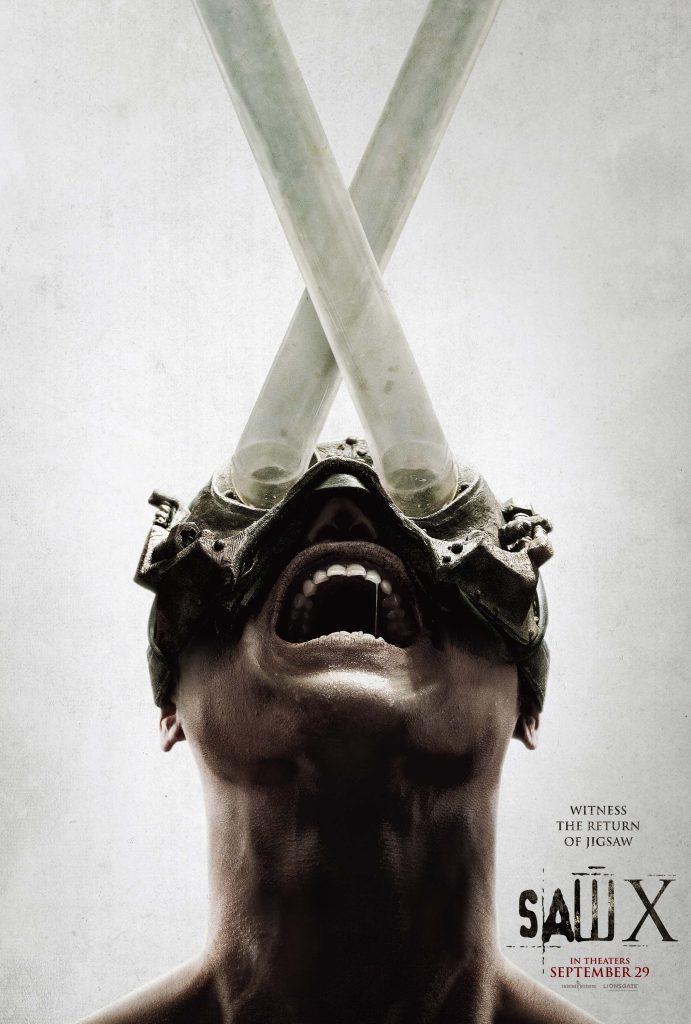
In a surprising return to form, Saw X is set between Saw I and Saw II, and brings Kramer back as the central character. Sick, vulnerable, and betrayed by a fake cancer clinic in Mexico, John targets those who exploited his hope — and they suffer for it.
This film shows a more personal side of Jigsaw — but no less lethal. His traps are poetic justice. His planning is impeccable. And his moral code? Still unshakable. He doesn’t kill for revenge. He kills for a reason.
Methods, Psychology & Philosophy
- Moral Absolutism: You value life only when it’s nearly taken from you.
- Trap Designer: Complex devices that test loyalty, sacrifice, repentance, or pain tolerance.
- Never Kills Directly: Victims are given choices. He believes this separates him from murderers.
- Legacy Builder: Trains apprentices, leaves recordings, and pre-plans traps that activate years later.
Other Media & Legacy
- Merchandise:
- Billy the Puppet (on the tricycle) is nearly as iconic as Jigsaw himself.
- NECA, Mezco, and Trick or Treat Studios produce Kramer figures, masks, and replicas.
- Traps like the Reverse Bear Trap have become horror collector staples.
- Games:
- Saw (2009) and Saw II: Flesh & Blood (2010): Horror puzzle games featuring original victims and traps.
- Jigsaw-inspired skins and mods appear in multiple fan-made horror games.
- Cultural Impact:
Jigsaw became a new kind of slasher — thoughtful, philosophical, and quietly horrifying.
He doesn’t chase you… he waits for you to hang yourself. - Quotes:
- “I want to play a game.”
- “Live or die — make your choice.”
- “Death is a surprise party. Unless, of course, you’re already dead on the inside.”
League Placement
Infamous Class
He doesn’t murder. He enlightens — with steel, gears, and blood.
The game ends when you learn what your life is really worth.