
First Appearance: Jaws (1975, directed by Steven Spielberg)
Portrayed by: Animatronic sharks (“Bruce”), real footage, and practical effects
Estimated Kill Count: At least 10 across the series (plus unconfirmed casualties)
What Is “Jaws”?
The killer shark in Jaws isn’t given a name or backstory — it’s simply a force of nature. Massive, silent, and brutally efficient, this great white isn’t just an animal — it’s pure instinct, devouring anything in its path with no warning, no remorse, and no mercy. Unlike other killers in your Hall of Killers, Jaws is terrifying because it doesn’t think — it just kills.
Steven Spielberg’s 1975 film turned a fish into a phobia. The shark strikes from below, unseen, dragging swimmers, fishermen, and boats into the depths. The tension isn’t in what it does — it’s in what you don’t see until it’s too late.
Film Appearances
Jaws (1975)
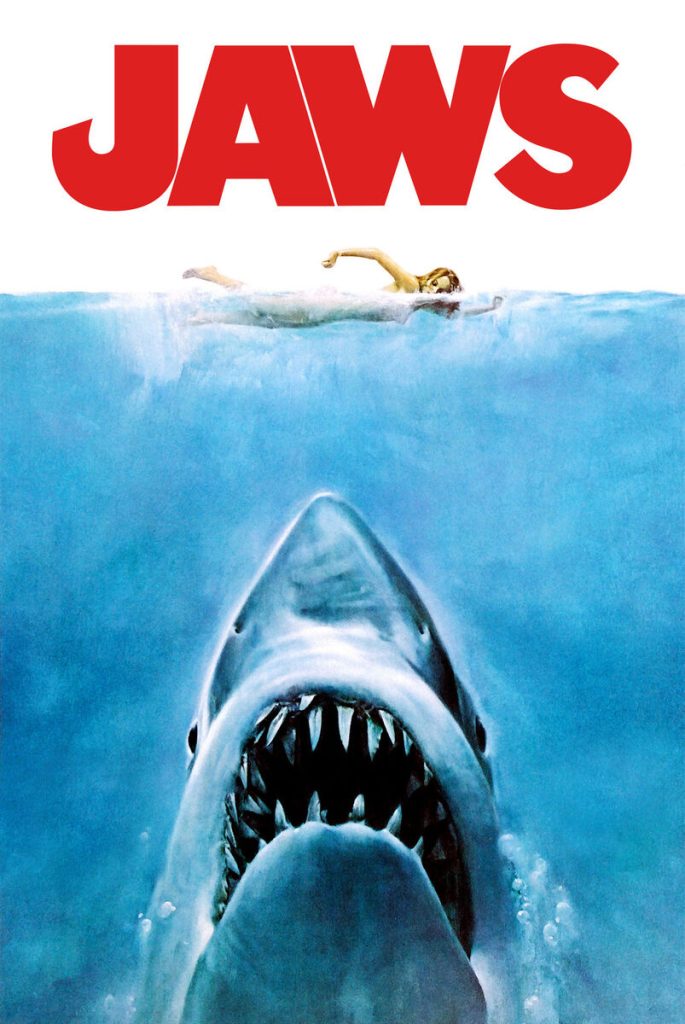
In the original film, the shark is an almost mythical presence. It terrorizes the beach town of Amity Island, striking at random, ignoring shallow water or depth, and devouring adults and children alike. Spielberg deliberately avoids showing the creature in full for much of the film — making it more terrifying through absence.
The film’s genius lies in how the shark is treated: like a slasher villain. It stalks, waits, and strikes with horrifying finality. When it does appear — mouth open, teeth flashing, dragging boats into chaos — it’s unstoppable. Quint’s death is one of horror’s most primal scenes, and the shark’s final showdown with Brody turns the ocean into a battlefield.
Jaws 2 (1978)
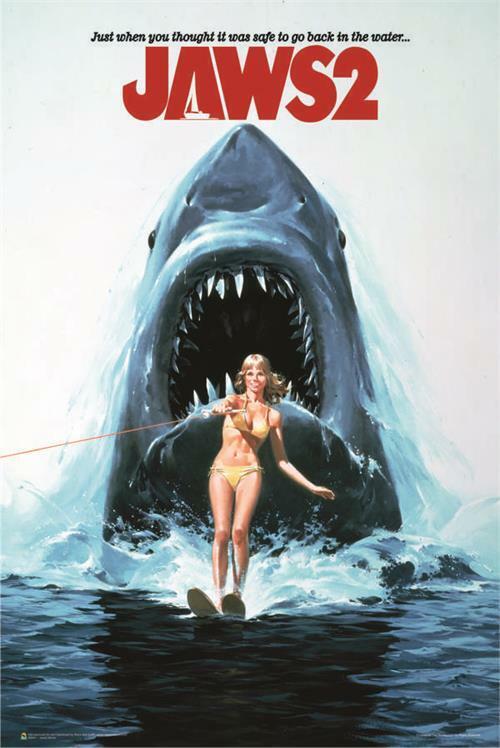
In the sequel, another great white begins terrorizing Amity. This time, the attacks are more visible and more frequent, with the shark taking out boats, helicopters, and entire groups of teenagers at sea. Though lacking the tension of the original, this version of the shark is more aggressive — a slasher sequel-style escalation.
The tagline “Just when you thought it was safe to go back in the water…” became iconic, and the film helped cement the shark as more than just an animal — now it’s a recurring monster, seemingly tied to the island’s fate.
Jaws 3-D (1983)
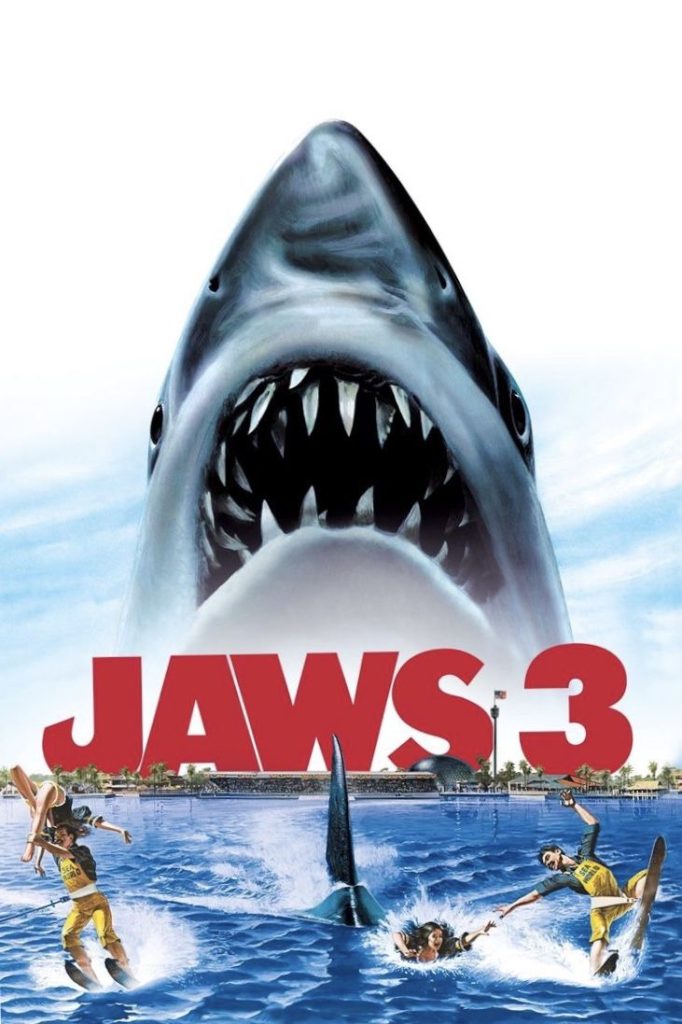
Set in a SeaWorld-style marine park, this entry introduces a new shark that infiltrates the underwater facility. It also includes a baby shark, which dies early, and a massive mother that exacts revenge. The shark attacks from beneath glass tunnels, destroys control rooms, and even swims toward the camera for a (now campy) 3D climax.
While the film leans heavily into spectacle, the killer shark remains the center of fear — this time in contained, human-made environments, showing that no place is truly safe from nature’s bite.
Jaws: The Revenge (1987)
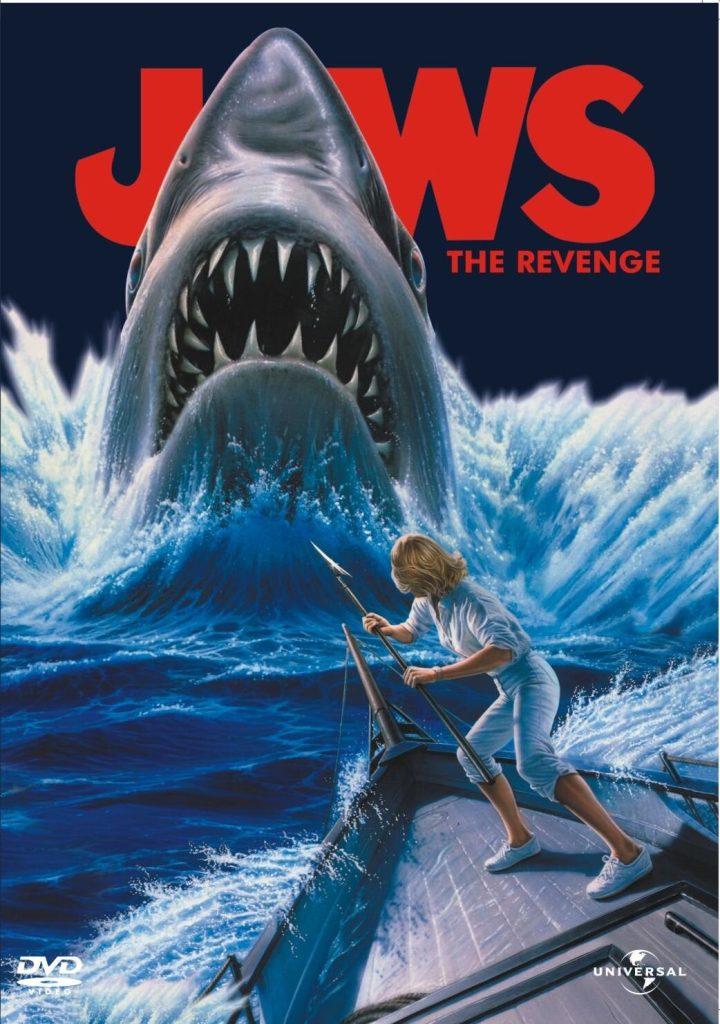
This infamous fourth entry suggests that the shark — possibly a descendant of the original — is actively targeting the Brody family, even following them to the Bahamas. It leaps from the water, roars (yes, audibly roars), and kills with apparent vengeance.
Though often mocked, this shark becomes the closest to a supernatural villain in the series — one driven by motive, not just instinct. The film ends with the shark being impaled and exploded (again), but not before further embedding the idea that Jaws is more than just an animal — it’s a curse.
Nature, Traits & Methods
- No Emotion, No Morality: The shark doesn’t hate. It doesn’t think. It simply acts.
- Unstoppable Force: Can destroy boats, dive deep, and strike unpredictably.
- Symbol of Fear: The ocean is never empty. It’s never safe.
- Slasher in the Sea: Like Michael Myers with fins — silent, deadly, and always lurking.
Other Media & Legacy

- Books & Novels:
Peter Benchley’s original 1974 novel inspired the first film. Later books and expanded lore added more shark attacks, including mutant and prehistoric variants. - Video Games:
- Jaws Unleashed (2006): Players control the shark, destroying boats, devouring swimmers, and causing chaos.
- Maneater (2020): A spiritual successor where players grow a bull shark through RPG elements, echoing Jaws‘ legacy.
- The shark has appeared as parodies and skins in games like Fortnite and Call of Duty.
- Merchandise:
From posters and action figures to collectible statues and LEGO sets, Jaws remains a pop culture icon. Even the shark itself — often referred to as “Bruce” — has become legendary in behind-the-scenes documentaries and fan art. - Influence:
Jaws didn’t just launch a franchise — it launched the summer blockbuster. It also instilled a generational fear of the ocean, and changed how we view nature. The dorsal fin slicing through water, the two-note John Williams score… these are etched into horror forever.
League Placement
Infamous Class
It has no eyes for mercy. No hunger for reason.
It swims beneath you, closer than you think — and once it strikes, you’ll never see the surface again.