
First Appearance: Nosferatu: A Symphony of Horror (1922)
Portrayed by: Max Schreck, Klaus Kinski, Willem Dafoe (fictionalized)
Kill Count: 4 confirmed in 1922 film (symbolic of plague deaths)
Tier: Infamous
Who Is Nosferatu?
Nosferatu is the earliest surviving cinematic vampire — a spectral figure of death, hunger, and disease. Long before Dracula stalked castle halls in velvet capes, Count Orlok emerged in shadows with long claws, a bald head, and rodent-like features.
Created by director F.W. Murnau in 1922 as an unauthorized adaptation of Bram Stoker’s Dracula, Nosferatu reimagined the vampire myth through the lens of German Expressionism — drenched in shadow, symbolism, and plague-era fear.
What makes Nosferatu terrifying isn’t what he says — he’s silent — but what he represents: decay, inevitability, and unnatural hunger.
Nosferatu: A Symphony of Horror (1922)
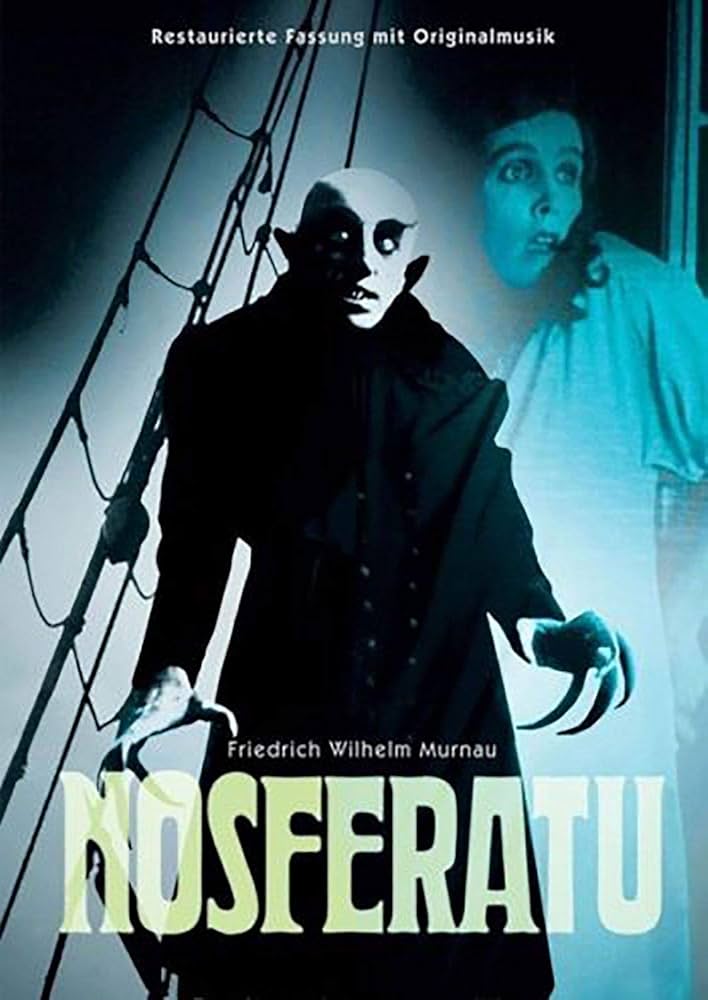
Set in the fictional German town of Wisborg, the story follows Thomas Hutter, who travels to Transylvania to meet the eerie Count Orlok. Unbeknownst to him, Orlok is a vampire who seeks new feeding grounds. Upon arriving in Wisborg, Orlok brings death with him — not just by drinking blood, but through rats, disease, and famine.
Key horror moments:
- Orlok rising stiffly from his coffin in the ship’s hull.
- His shadow creeping up a stairwell toward his sleeping victim.
- His slow, deliberate walk across empty courtyards, always silent, always watching.
The film ends when Ellen, Hutter’s wife, sacrifices herself by distracting Orlok until sunrise — killing him when daylight touches his form.
Because Murnau never obtained rights from Bram Stoker’s estate, all copies were ordered to be destroyed — but one survived, making Nosferatu a legendary, near-lost film that haunts cinema history.
Nosferatu the Vampyre (1979)
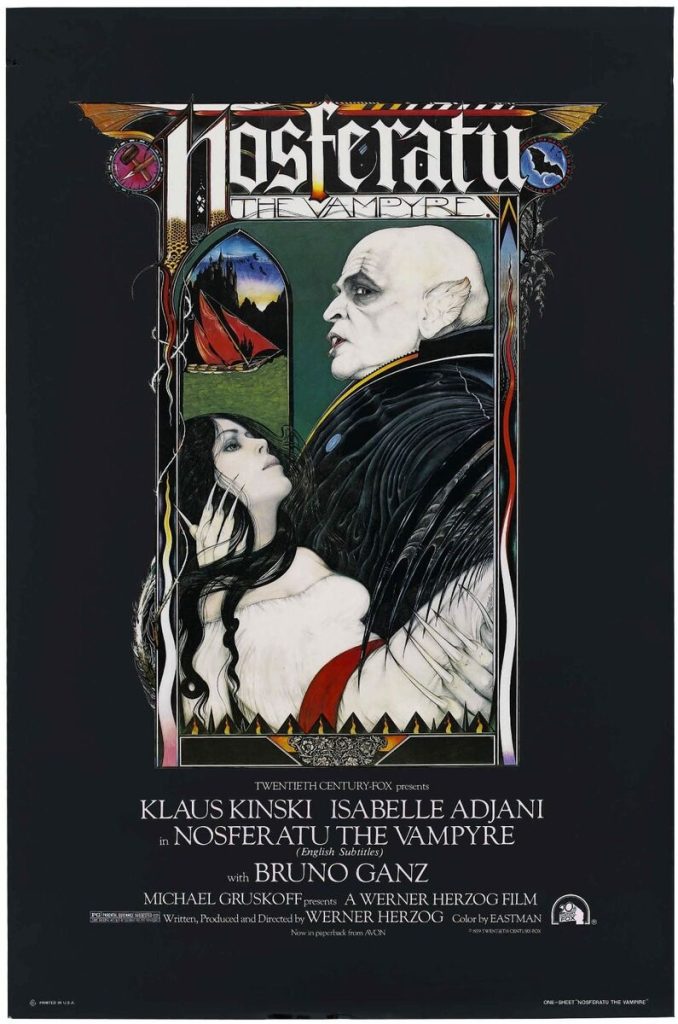
Directed by Werner Herzog, this film is both a remake and a reinterpretation. Klaus Kinski plays Count Dracula (retaining the rights this time), but in full Orlok-inspired design: pale, bald, clawed, and mournful.
This version is drenched in atmosphere, isolation, and existential dread. Orlok is portrayed as more tragic than evil — a being cursed by eternal life, feeding not out of choice but necessity.
Notable changes:
- Jonathan Harker becomes the next vampire in the end.
- The plague symbolism is heightened — the town descends into chaos and mass death.
- The imagery is slow, dreamlike, and deeply Gothic.
Nosferatu (2025)
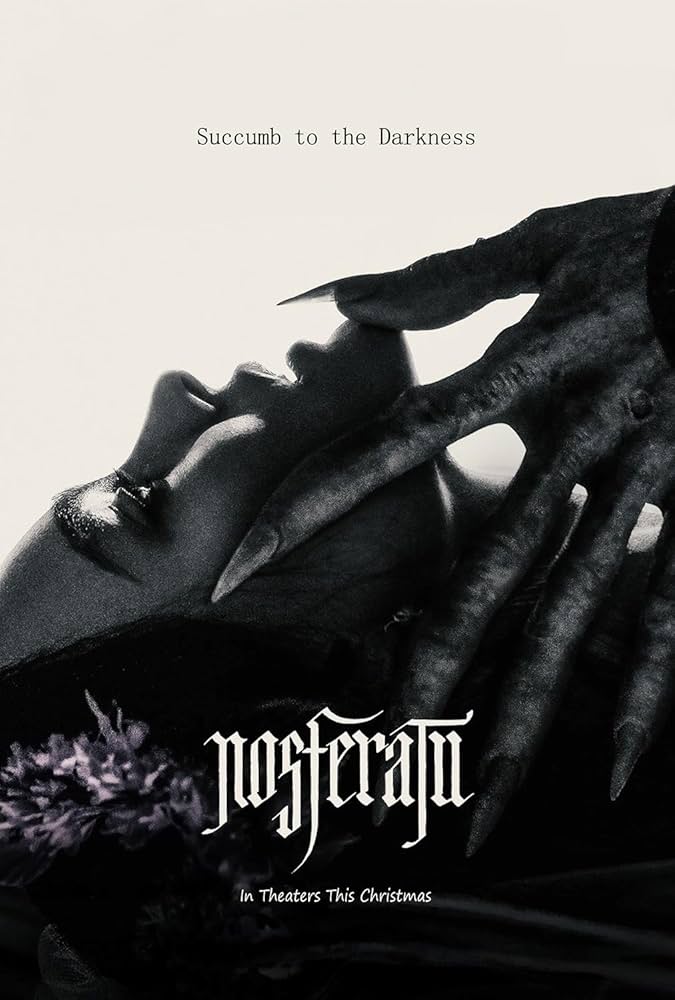
Robert Eggers’ long-awaited reimagining of Nosferatu finally arrived in 2025, and it did not disappoint. Starring Bill Skarsgård as Count Orlok, Lily-Rose Depp as Ellen, and Nicholas Hoult as Thomas Hutter, the film delivers a richly atmospheric, Gothic horror tale that honors the 1922 original while crafting something darkly new.
Skarsgård’s Orlok is a grotesque, ghoulish predator, silent and decaying, more like a spreading sickness than a traditional villain. Unlike Dracula’s charm or flair, this Orlok is pure embodiment of death, lurking in shadows, bringing plague and madness wherever he travels.
Eggers retains the 19th-century setting, fog-drenched European towns, and expressionist visuals, while adding a hypnotic slow-burn pace laced with mounting dread.
The film was met with critical acclaim, praised for its visual fidelity, Skarsgård’s disturbing performance, and its commitment to unease over jump scares. Reviewers called it:
- “A haunting resurrection of cinema’s oldest vampire.”
- “Elegant, eerie, and uncompromising.”
- “The most faithful Nosferatu remake — and the most terrifying.”
It was particularly well-received by fans of art house horror, placing it spiritually alongside The Witch, Let the Right One In, and The Babadook.
Now available on Blu-ray, 4K UHD, and streaming, Nosferatu (2025) has secured its place as the definitive modern take on Count Orlok — and reestablished him as a force in 21st-century horror.
Other Appearances & Legacy
- Shadow of the Vampire (2000): Willem Dafoe plays Max Schreck, based on the urban legend that Schreck was an actual vampire cast in the 1922 film.
- What We Do in the Shadows (TV): A character named “Baron Afanas” is directly inspired by Orlok’s design.
- Nosferatu Remake (2024, Upcoming): Directed by Robert Eggers (The Witch, The Lighthouse) with Bill Skarsgård set to play Orlok — aiming to reintroduce the character to modern horror.
Traits & Powers
- Photophobic: Destroyed by sunlight
- Silent Predator: No voice, no breathing, no mercy
- Plague-Bringer: Associated with rats and widespread disease
- Supernatural Strength: Can appear and vanish at will, scale walls, and hypnotize
- Symbolism Over Slashing: Orlok kills few, but his presence represents mass death
Trivia & Cultural Impact
- One Surviving Print: The film was almost erased from history due to copyright lawsuits.
- Cinematic Influence: Every shadowy vampire owes something to Nosferatu.
- Public Domain Icon: Frequently remixed in art, games, cartoons, and horror satire.
- Haunting Design: Nosferatu’s long fingers and batlike features are burned into pop culture.
- Remake Hype: The Robert Eggers version is one of horror’s most anticipated modern reimaginings.
League Placement
Infamous
He doesn’t seduce. He stalks.
No voice. No mercy.
A vampire older than cinema itself.