
Also Known As: The Chicago Alligator, The Sewer Monster
First Appearance: Alligator (1980)
Most Iconic Form: A mutated, thirty-foot-long alligator rampaging through sewers and streets
Kill Count: 20+ victims (police, criminals, civilians)
Portrayed by: Puppetry, animatronics, and scale miniatures
Tier: Third Class Tier
Alligator (1980)
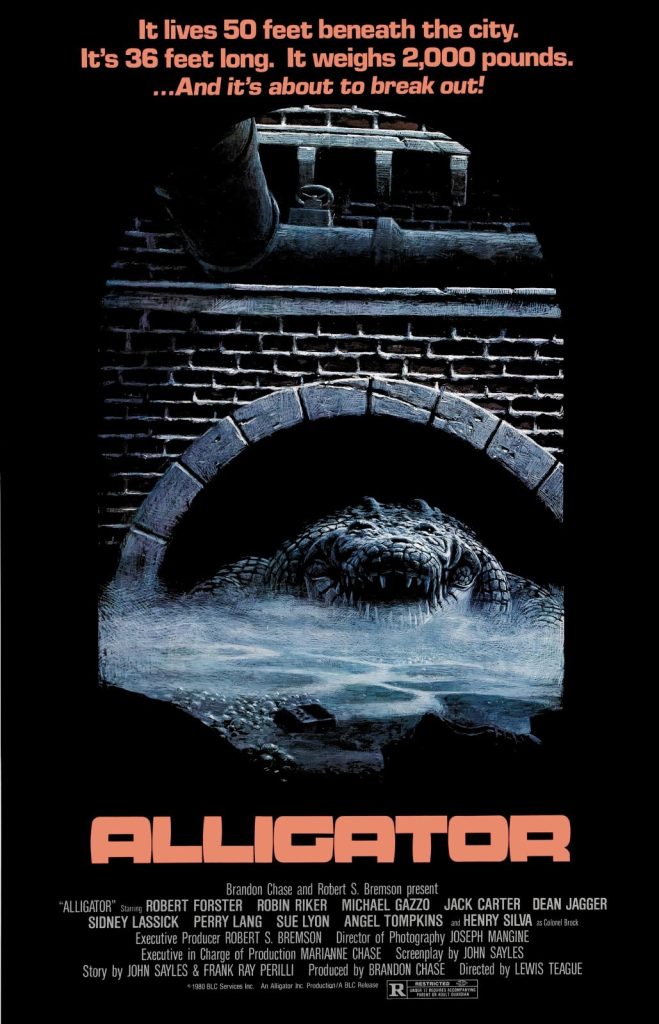
Lewis Teague’s Alligator opens with a familiar urban legend: a young girl buys a baby alligator as a pet, only for her disapproving father to flush it down the toilet. Years later, the alligator, abandoned in the sewers of Chicago, has survived — and mutated.
Exposed to the carcasses of lab animals discarded with experimental growth hormones, the reptile grows to monstrous size. From a small hatchling, it becomes a thirty-foot predator, lurking beneath the city, feeding on rats, strays, and the occasional unfortunate sewer worker. Its growth is matched by its increasing aggression, and soon the alligator bursts out of the underground, dragging victims into tunnels or ambushing them on the surface.
Detective David Madison investigates a string of grisly deaths: bodies mangled, missing limbs, and blood splattered across sewer grates. His inquiries lead him into the sewers, where he encounters the beast. The first reveal of the fully grown alligator is shocking — a massive, lumbering reptile, jaws gaping wide enough to swallow a man whole.
The film builds to an explosive finale. After rampaging through a wealthy wedding party and crushing cars in the streets, the alligator is finally lured into a trap: explosives planted in the sewers. The detonation engulfs the beast in flames, seemingly ending its reign of terror. But in the closing moments, another baby alligator is seen flushed down the drain, suggesting the cycle may begin anew.
Alligator II: The Mutation (1991)
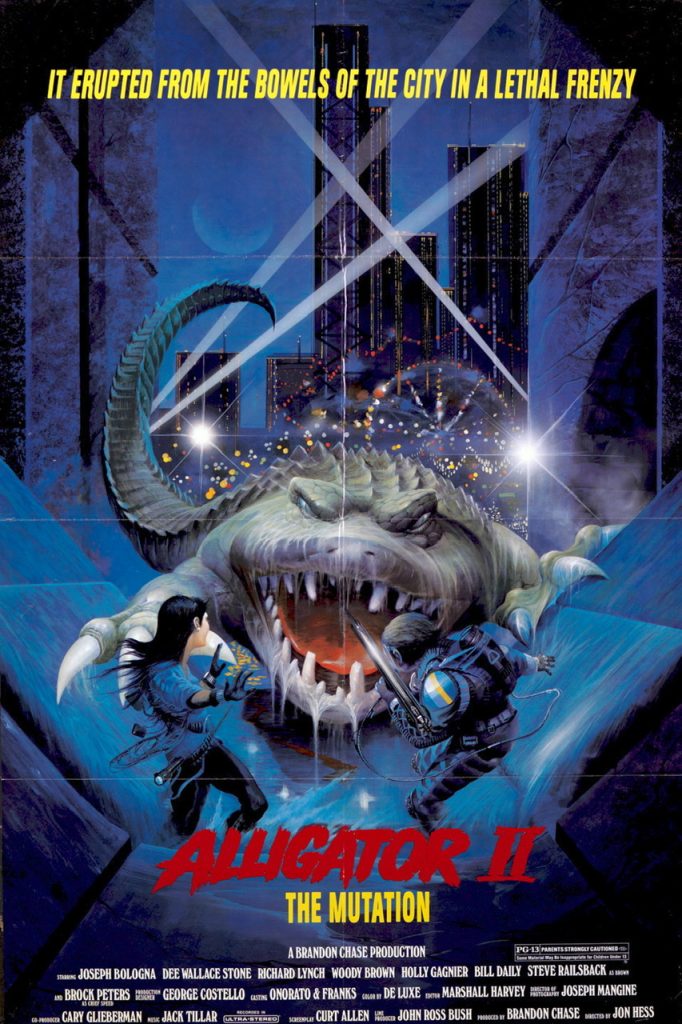
Released more than a decade after the original, Alligator II: The Mutation relocates the premise to a fictional Californian city and reimagines the monster’s rise in a new context. This time, the story begins with toxic chemical dumping. A corrupt developer, Vincent Brown, disposes of hazardous waste into the city’s water supply, inadvertently creating conditions for another baby alligator to grow to enormous size.
The mutated reptile stalks the sewers and canals, preying on the homeless and anyone unlucky enough to wander into its hunting grounds. Early victims are written off as disappearances, but the growing body count soon draws the attention of Detective David Hodges, a weary but determined cop tasked with uncovering what’s really lurking beneath the streets.
The investigation brings him into direct conflict with Brown, whose corporate power allows him to deny responsibility and suppress reports of the creature. This clash of forces — the underfunded police against unchecked corporate greed — provides the thematic backbone of the sequel, echoing the first film’s satirical bite.
The climax sees the alligator surface during a lively riverside festival, echoing the first film’s wedding massacre. Panic erupts as the massive reptile rampages through the crowd, crushing floats, overturning boats, and devouring victims. In a desperate showdown, Hodges and his allies track the monster back to its lair, laying explosives in the sewers. The detonation finally brings the beast down in a fiery explosion, a deliberate echo of the original’s finale.
Though critically dismissed as a low-budget retread, Alligator II maintains a certain cult charm. Its greater emphasis on corporate villainy, alongside the return of mutated reptiles in an urban setting, ensures that it feels less like a lazy sequel and more like a thematic continuation. Fans of eco-horror and giant-animal films still appreciate it for its outrageous kills, miniature destruction sequences, and its attempt to preserve the tone of grim satire wrapped in creature-feature spectacle.
Physiology and Behaviour
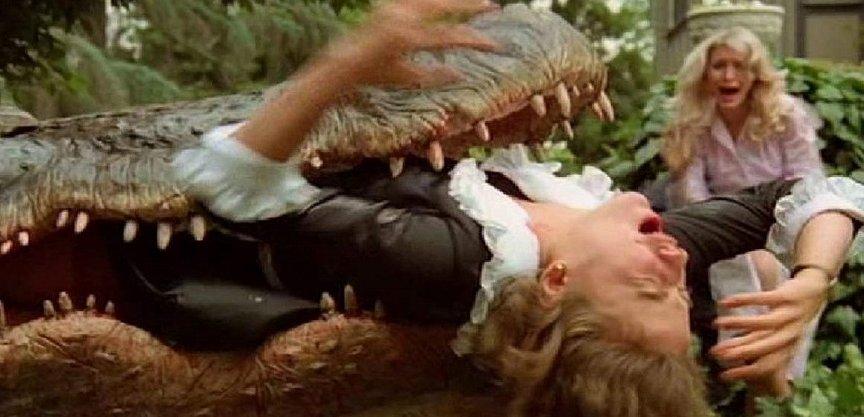
The Alligator is not supernatural but mutated by human negligence. Its physiology includes:
- Extreme growth due to exposure to experimental hormones
- Armoured scales resistant to bullets and blades
- Incredible strength capable of crushing vehicles and walls
- Stealth and patience, waiting for prey to approach before striking
It kills primarily through ambush, dragging victims underwater or tearing them apart with its enormous jaws. Unlike supernatural killers, its horror lies in its plausibility — a familiar animal made monstrous by human interference.
Cultural Impact
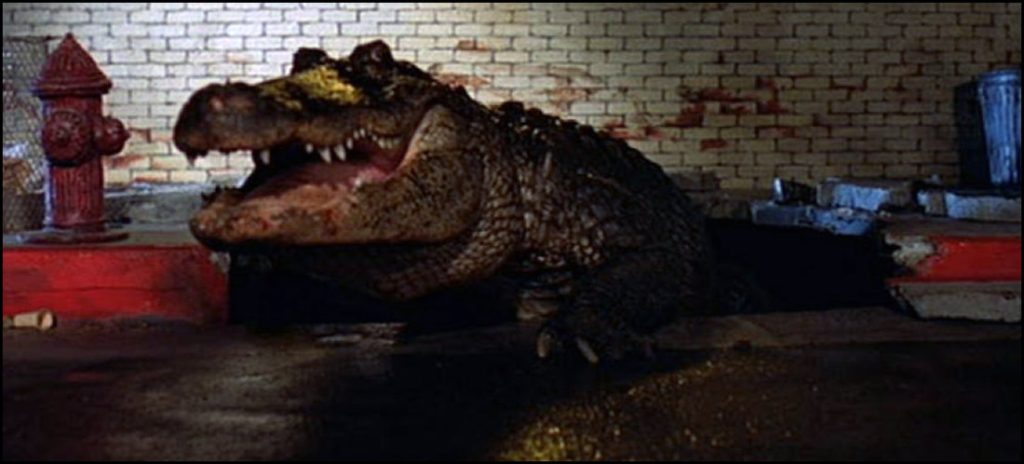
Alligator tapped into urban legends about sewer-dwelling reptiles, giving them cinematic form. Its mix of satire, gore, and giant-monster spectacle earned it cult status, especially on late-night television.
The film is often grouped with other eco-horror movies of the 1970s and 1980s, such as Piranha and Prophecy. Its practical effects — including animatronic gators, puppetry, and miniature city sets — gave the monster a tangible presence missing from later CGI creature features.
Though not a mainstream franchise, Alligator is still remembered fondly as one of the most entertaining “giant animal” horror films, bridging B-movie absurdity and sharp social commentary about pollution, corporate greed, and unchecked science.
League Placement
The Alligator belongs in the Third Class Tier. It lacks the fame of higher-tier monsters, but its enduring cult reputation, urban legend roots, and memorable destruction secure it a place in horror history.