
First Appearance: Ring (1998, Japan)
Played by: Rie Inō, Yukie Nakama, Ai Hashimoto, others
Kill Count: Varies across adaptations, typically through cursed videotapes
Ring (1998)
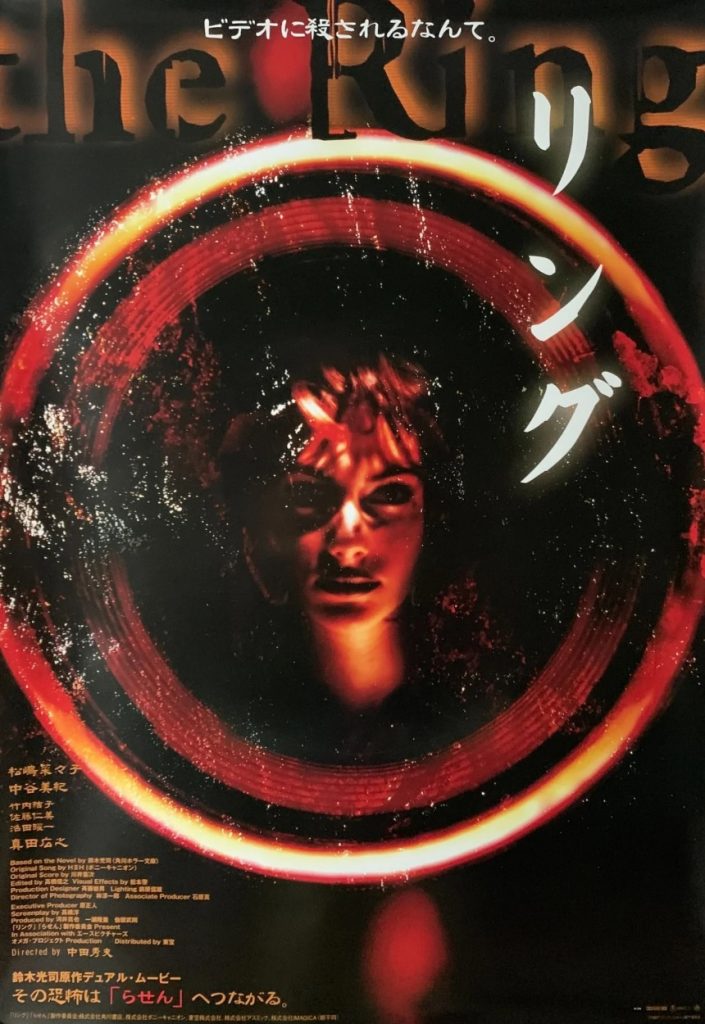
Sadako’s first true cinematic impact came with Hideo Nakata’s Ring (1998), based on Koji Suzuki’s novel. This film introduced audiences to the terrifying concept of a cursed videotape. Once watched, the viewer receives a phone call and dies seven days later. Sadako is a malevolent spirit with long black hair and a white gown, inspired by Japanese onryō ghost lore. Her unforgettable emergence from the television screen became an iconic horror image worldwide. In this version, Sadako’s backstory is expanded — she was the daughter of psychic Shizuko Yamamura and was thrown into a well, where her psychic energy cursed the tape. Her wrath is calm, inevitable, and deeply rooted in tragedy.
Ring 2 (1999)
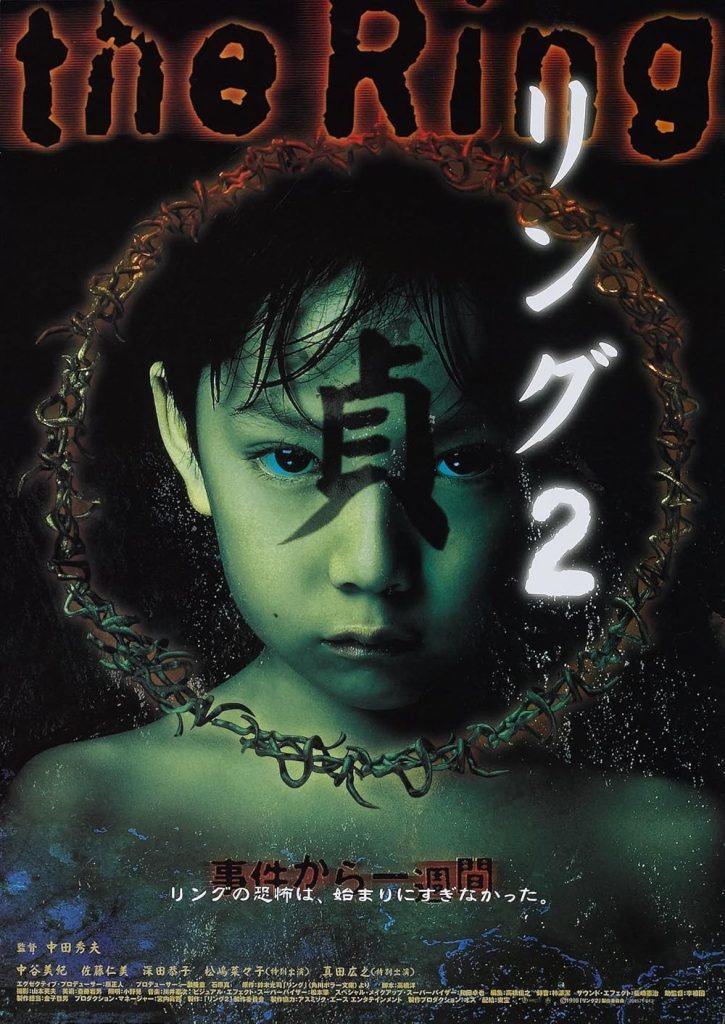
In the sequel, Ring 2, Sadako’s presence becomes even more psychological. The curse begins to mutate, and she begins influencing people outside the traditional videotape method. Her origins are explored further, and her emotional trauma is emphasized more, showing her as a cursed victim rather than a flat antagonist. The fear here lies not only in her ability to kill, but in how her curse spreads and evolves — like a virus.
Ring 0: Birthday (2000)
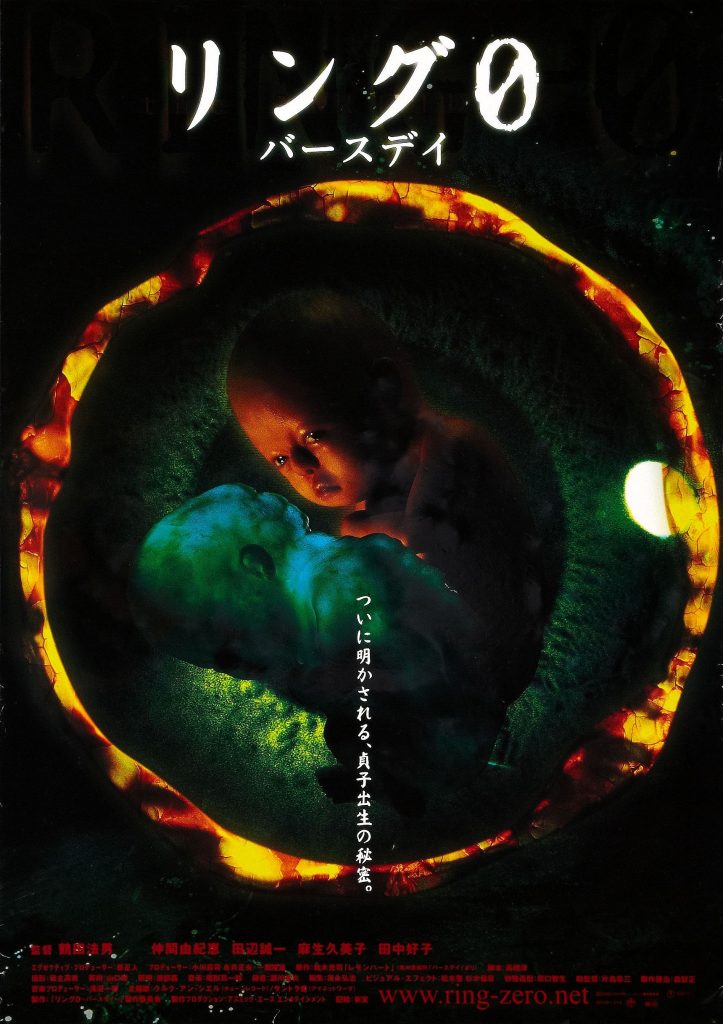
This prequel gives us a rare look at Sadako as a young woman before becoming a vengeful spirit. We see her working in a theater troupe and trying to live a normal life. However, fear and suspicion from others ignite tragedy again. After being betrayed and attacked, her psychic abilities fully manifest, and she unleashes her power, resulting in a massacre. This humanized portrayal adds depth, showing that Sadako wasn’t always a killer — she was made into one.
Sadako 3D (2012)

Sadako 3D reimagines the cursed content for a digital world. Instead of a VHS tape, the curse is spread via an online video. Sadako is more monstrous and violent in this reboot, even physically resurrected. The film leans into a more action-horror style, but keeps Sadako at the center as a symbol of unstoppable, cursed technology. While it strays from the atmosphere of the original, Sadako remains a terrifying force.
Sadako 3D 2 (2013)
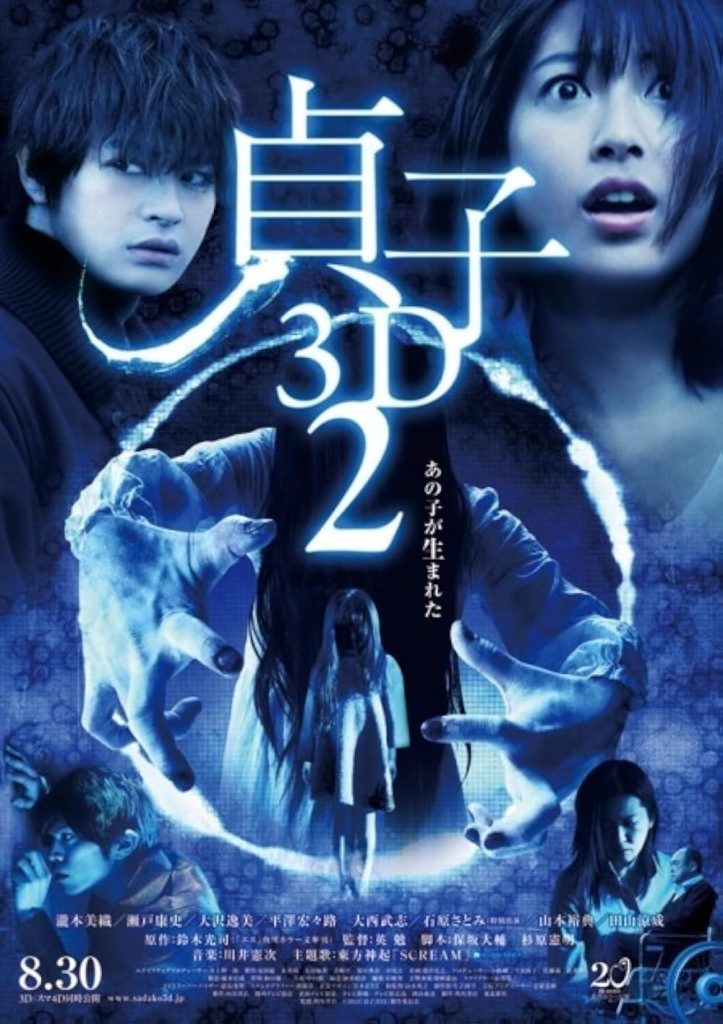
The sequel focuses on Sadako’s attempt to reincarnate herself through a young girl. It explores maternal themes and psychic inheritance, suggesting that the curse is now biological as well as digital. Sadako becomes a symbol of generational trauma, passed from mother to child.
Sadako (2019)
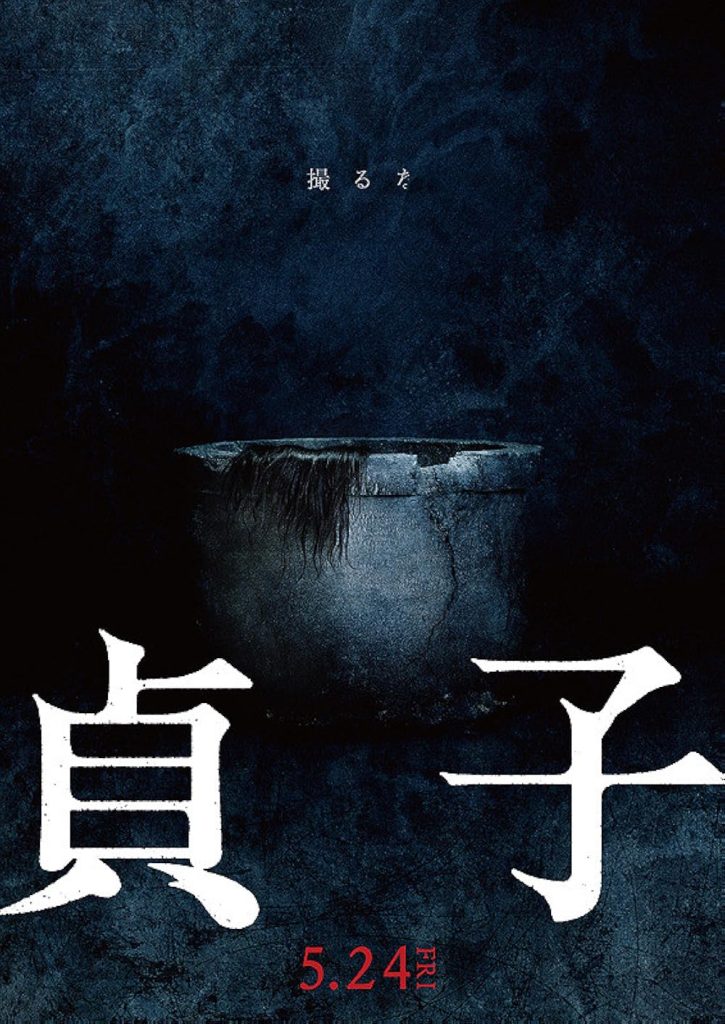
This reboot directed again by Hideo Nakata attempts to return to the eerie atmosphere of the original. Here, Sadako is used more symbolically — her legend used as a vehicle to explore modern anxieties, social media, and trauma. It adds a new backstory: Sadako is now one of two children, and her powers are again viewed through a lens of fear and misunderstanding. It reestablishes her as a quiet but overwhelming presence.
Sadako vs. Kayako (2016)
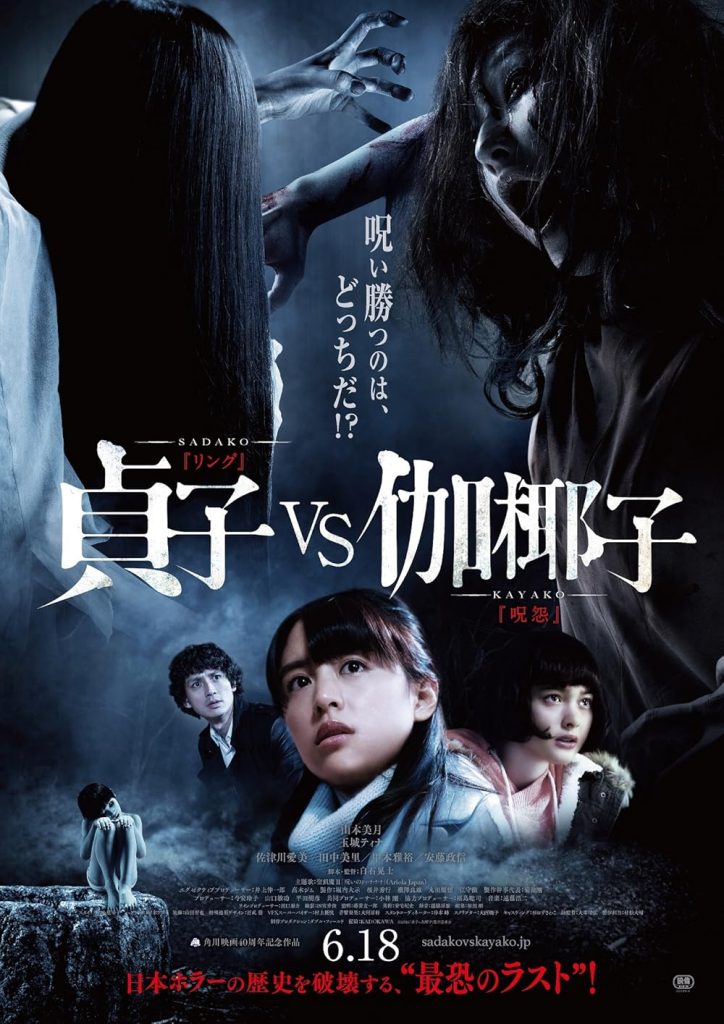
In this crossover with The Grudge’s Kayako, Sadako takes on another Japanese horror icon. Though a more tongue-in-cheek outing, it treats both ghosts seriously. Sadako’s curse is merged with Kayako’s, resulting in an epic, eerie clash of curses.
Remakes – The American Ring Series
The Ring (2002)
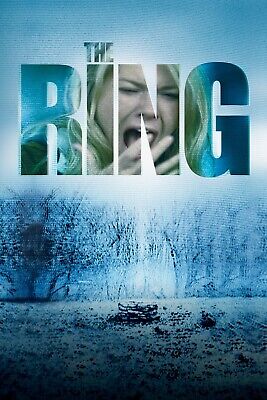
Directed by Gore Verbinski, The Ring introduced Western audiences to Sadako’s terrifying legacy — reinvented as Samara Morgan. Played chillingly by Daveigh Chase, Samara is portrayed as a deeply disturbed child with psychic abilities who was adopted and later murdered by her adoptive mother. She’s linked to mysterious horse deaths and causes disturbing visions in those around her.
The cursed videotape remains central to the story, but Samara’s characterization leans more into psychological horror. Her presence is unnerving rather than overtly violent. Her infamous crawl from the television screen remains one of the most iconic scenes in horror. Unlike Sadako, Samara’s curse is treated more like an unsolvable puzzle — there is no mercy, even for those who try to help her.
The Ring Two (2005)
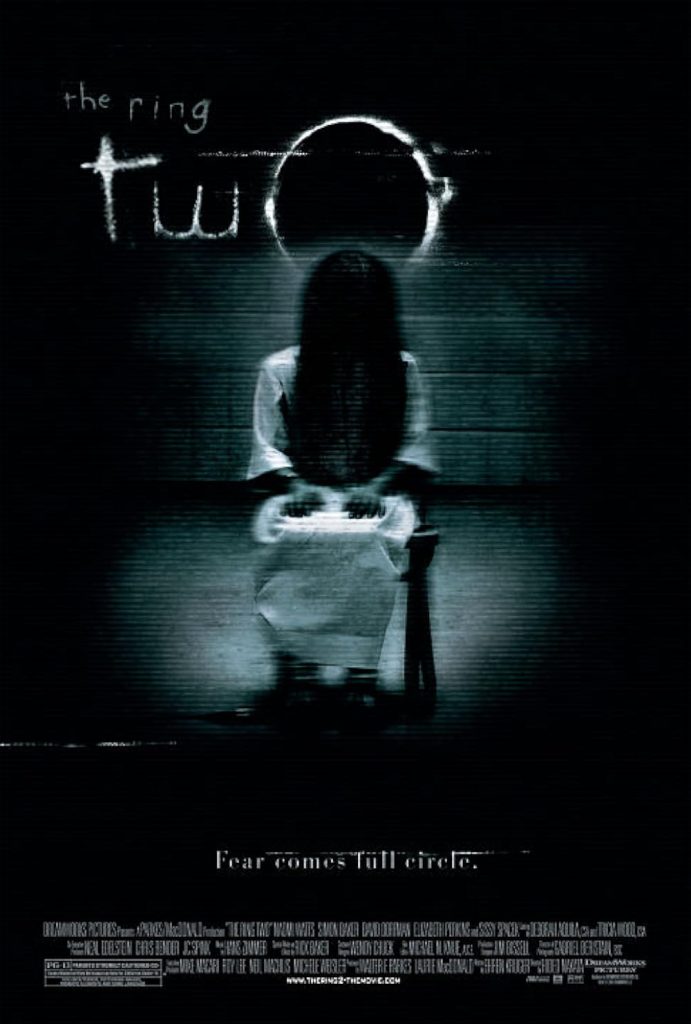
The Ring Two, directed by Hideo Nakata (director of the original Japanese Ring), further explores Samara’s obsession with having a mother. Naomi Watts returns as Rachel, and the narrative shifts toward Samara trying to possess Rachel’s son, Aidan. This film veers into supernatural territory, diving deeper into Samara’s backstory and her desire to return to the world of the living.
Though the sequel received mixed reviews, it reinforced Samara’s role as a modern American horror icon — less a spirit of vengeance, and more a parasitic entity seeking love and control.
Rings (2017)
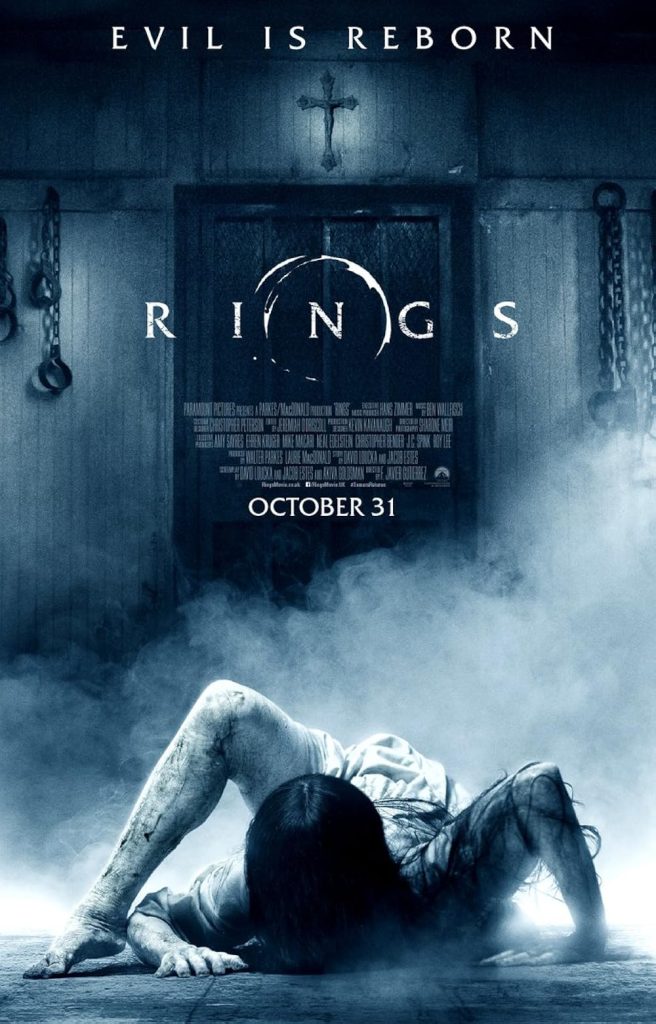
After over a decade of silence, Rings attempted to revive the franchise for a digital generation. Samara’s curse is now part of an underground cult experiment. The cursed video has been digitized and emailed, spreading faster than ever. The film introduces new mythology — including the revelation of Samara’s biological father, a priest involved in disturbing rituals.
The tone here feels more like a supernatural thriller than traditional horror, but Samara remains central, manipulating technology and terror with cold precision. Her image, though now overused, still manages to deliver a sense of dread.
Legacy and Merchandising
Sadako is a staple of Japanese horror and has appeared in video games, manga, and countless parodies. Her signature look (long black hair over face, white dress) has become shorthand for J-horror. She’s even been a baseball mascot and participated in viral social media campaigns. Despite modern updates, her roots remain in traditional Japanese folklore.