
First Appearance: An American Werewolf in London (1981)
Played By: David Naughton (as David Kessler), Creature FX by Rick Baker
Kill Count: 7 confirmed (1981 film)
An American Werewolf in London (1981)
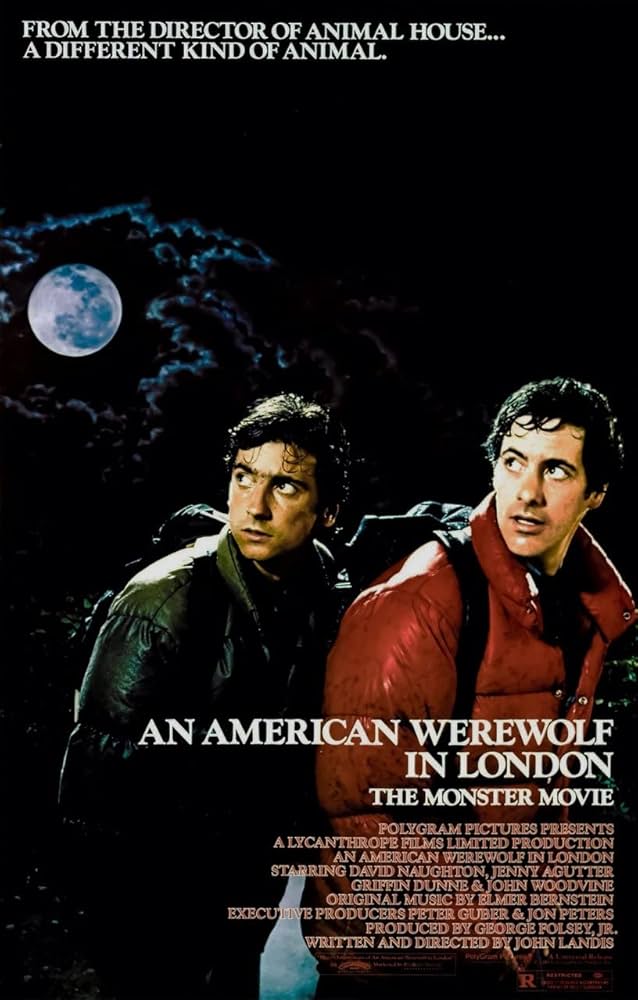
The Kessler Wolf is one of horror cinema’s most iconic werewolf creations — not because he appears across multiple films, but because of the groundbreaking effect he had in a single one. The creature is the cursed form of David Kessler, a young American backpacker who, after being attacked on the Yorkshire moors, begins to suffer terrifying visions and violent transformations.
Unlike many werewolves before him, David is a tragic, self-aware victim of the curse. He tries to resist it, but once the full moon rises, he becomes a snarling, quadrupedal monster — one that doesn’t hesitate to maul pedestrians, commuters, and even close friends. The Kessler Wolf is brutal, fast, and unstoppable, tearing through London in one of horror’s most chaotic final acts.
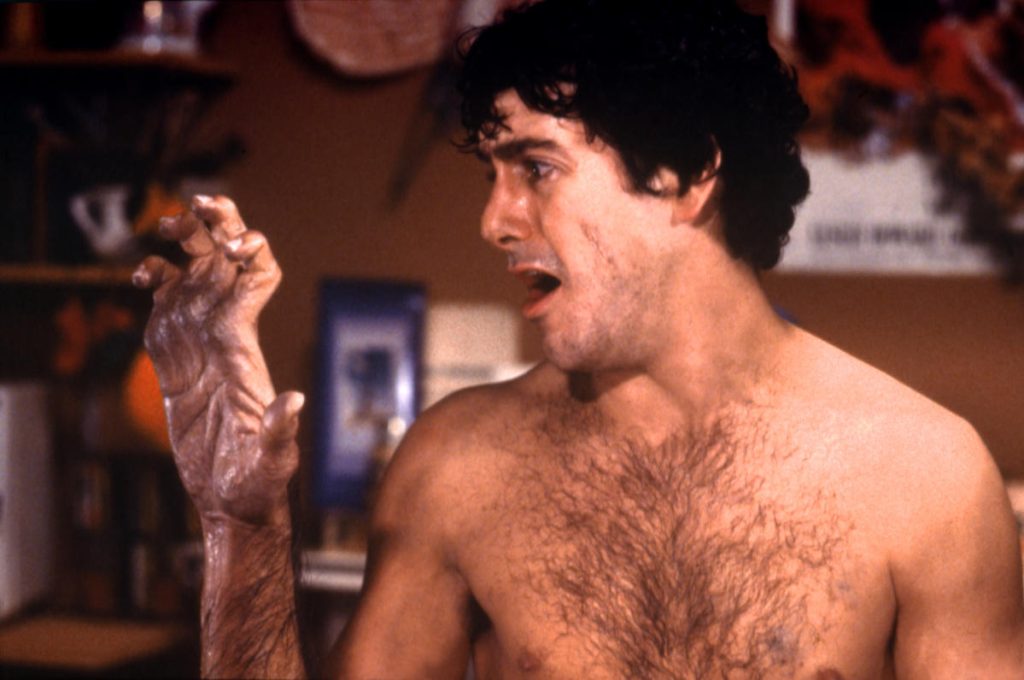
What makes the Kessler Wolf unforgettable isn’t just the story — it’s the transformation sequence. Created by FX legend Rick Baker, the scene redefined practical effects. Limbs stretch. Bones crack. Fur sprouts. It all happens under harsh lighting, with nowhere to hide. It earned Baker the first-ever Academy Award for Best Makeup and set a new standard for creature effects.
Despite appearing in only one true form, the Kessler Wolf’s impact has never faded.
Haunting Legacy
David Kessler’s transformation and subsequent descent into madness are punctuated by a string of hallucinations: his friend Jack returning as a rotting corpse, visions of undead victims, and the burden of knowing he’s killing innocent people with no memory of doing so.
Though he’s shot down by police in Piccadilly Circus, David’s final look — naked, dead, and human again — is one of horror’s most tragic endings.
The Kessler Wolf is more than a monster — he’s a symbol of internal torment, survivor’s guilt, and the loss of identity to uncontrollable rage.
An American Werewolf in Paris (1997)
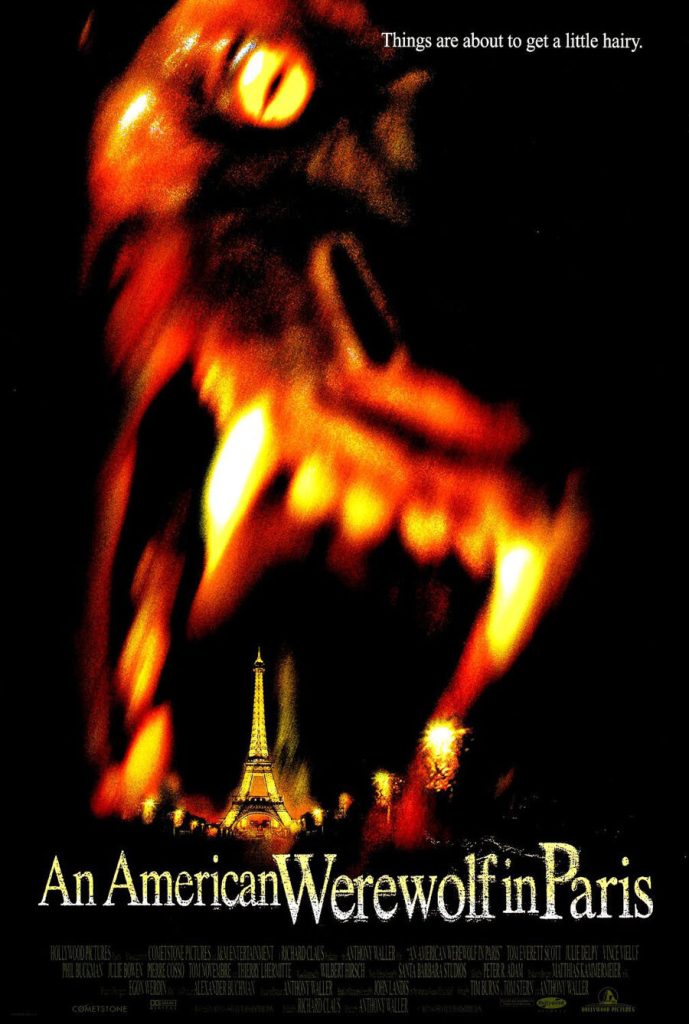
Though not a direct sequel, this spiritual follow-up centers on Serafine, the daughter of David and Alex from the original film. The werewolves here are more CGI-heavy and lack the impact of the original creature design. While Kessler himself doesn’t appear, his legacy shapes the film’s mythology.
Cultural Impact
- The Kessler Wolf has been parodied and referenced in everything from The Simpsons to Stranger Things.
- NECA and Trick or Treat Studios have released masks, busts, and figures of the creature.
- The film’s transformation scene is often ranked among the top horror moments of all time.
- Directors like John Landis, Rick Baker, and others have called it the gold standard for practical creature horror.
League Placement
The Kessler Wolf stands firmly in the Premier Class Tier — a creature who changed the way werewolves were portrayed on screen forever.