
Other Names: The Demon of Vengeance
First Appearance: Pumpkinhead (1988)
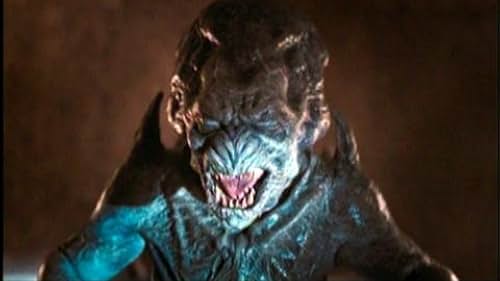
Most Iconic Form: Towering, skeletal creature with elongated limbs and a face twisted in agony
Kill Count: 20+ across all films — summoned only for revenge, but always leaves collateral
Pumpkinhead (1988)
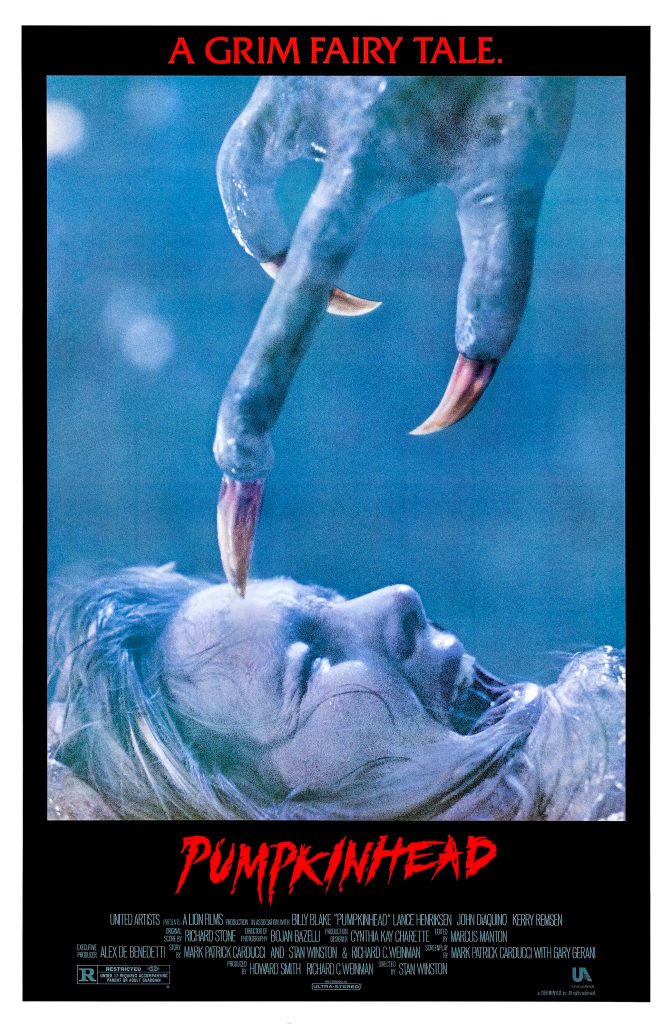
Directed by Stan Winston, Pumpkinhead blends Southern gothic folklore with creature-feature horror. The story follows Ed Harley, a grieving father whose son is accidentally killed by a group of city teens. Stricken with rage, Ed visits a backwoods witch to summon vengeance — and gets more than he bargained for.
From the cursed pumpkin patch, a demonic entity rises: Pumpkinhead. Tall, twisted, and skeletal, the creature is unstoppable, brutally hunting down those Ed blames for his son’s death. But as the killings continue, Ed begins to feel the pain of the victims — he is psychically linked to the monster, forced to experience each act of vengeance firsthand.
The film’s themes are powerful: grief, guilt, and the price of revenge. And the creature design? Absolutely iconic — Winston’s practical effects created a truly unique monster that still holds up decades later.
Pumpkinhead II: Blood Wings (1994)

The sequel shifts tone dramatically. Set years later, a group of delinquent teens stumbles upon a local legend — the tragic story of Tommy, a disfigured boy once murdered by townsfolk. In a misguided ritual, they resurrect him as Pumpkinhead, who goes on a killing spree.
Less atmospheric and more slasher-like, this entry lacks the emotional core of the original but expands the lore slightly. The idea that any wrongful death can fuel a summoning adds depth, showing Pumpkinhead as less of a creature and more of a spiritual embodiment of vengeance.
Still, the monster design remains impressive, and the kills are gruesome — though the soul behind the violence is thinner this time.
Pumpkinhead: Ashes to Ashes (2006)
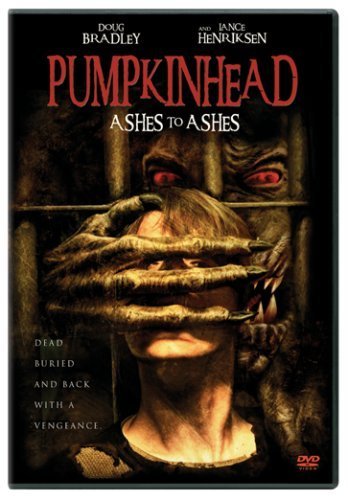
This SyFy Channel installment takes place in a rural town where locals discover that a corrupt mortician has been stealing and selling organs from the dead. The townspeople turn to the witch Haggis, and soon, Pumpkinhead is summoned once again.
This version re-establishes the moral framework of vengeance: the summoner must pay a price, and the killings are bound by a code. Pumpkinhead’s design is darker and more rotted, befitting the themes of desecration and decay.
Lance Henriksen returns as Ed Harley’s ghost, warning others of the cost. The production values are lower, but the folklore remains intact.
Pumpkinhead: Blood Feud (2007)
Loosely inspired by the real-life Hatfield–McCoy feud, this final installment pits two feuding families against each other in Appalachia. When another tragedy erupts, a family member summons Pumpkinhead to end the bloodline war — but the cycle of revenge can’t be stopped so easily.
This entry leans hard into Southern gothic horror, emphasizing the futility of generational vengeance. While the plot is melodramatic and the effects more modest, the core idea remains: vengeance breeds nothing but more pain.
Physiology & Rules
- Stands over 8 feet tall, with stretched limbs, sharp talons, and a reptilian tail
- Summoned through dark ritual, usually by a grieving or angry party with a personal vendetta
- Psychically bonded to the person who called it — they feel every kill
- Cannot be reasoned with or stopped by physical force
- Kills only the designated targets, but will destroy anyone who interferes
- Dies when the summoner dies — the two are soul-bound
- Grows more human-like as the bond deepens, suggesting it is shaped by human grief
Cultural Impact
- A cult classic monster — praised for creature design, atmosphere, and tragic narrative
- Spawned comics, video games, and rumors of a reboot (still in development limbo)
- Referenced in horror shows like Stan Against Evil and Creepshow
- Lance Henriksen’s performance as Ed Harley is one of the most emotionally grounded roles in monster horror
- Represents a rare horror archetype: not evil, but elemental — a consequence made flesh
League Placement
Pumpkinhead belongs in the First Class Tier — not just a monster, but a manifestation of human rage and sorrow. He’s not a slasher. He’s not a demon in disguise. He’s the question of how far you’d go for revenge — and whether it’s ever worth it.