
Also Known As: Helena Markos, Mater Suspiriorum, The Mother of Sighs
First Appearance: Suspiria (1977)
Most Iconic Form: Ancient witch cloaked in shadow, whispering in the darkness
Kill Count: Dozens across films, directly and indirectly through her covens
Suspiria (1977)

Directed by Dario Argento, Suspiria is a surreal, sensory nightmare — a descent into a ballet academy that hides a coven of witches under the command of an ancient, unseen force: Mother Suspiriorum.
American dancer Suzy Bannion arrives at the Tanz Akademie in Freiburg, Germany, where strange events, deaths, and hallucinations abound. The building itself seems alive — colored lighting, eerie architecture, and unnatural sounds reflect an omnipresent evil.
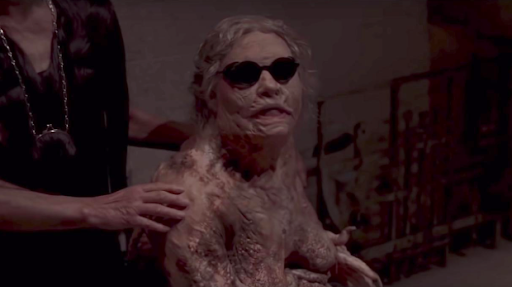
Though Mother Suspiriorum — known in this version as Helena Markos — is mostly unseen until the finale, her presence infects every frame. When Suzy discovers the coven’s lair, she confronts the crumbling, near-invisible corpse of Markos, who speaks in rattling whispers. Suzy kills her by driving a hairpin into her neck, causing the academy to burst into flames.
Though she is destroyed physically, her influence continues in Argento’s mythos — one of three ancient witches, each older than civilization itself.
Suspiria (2018)
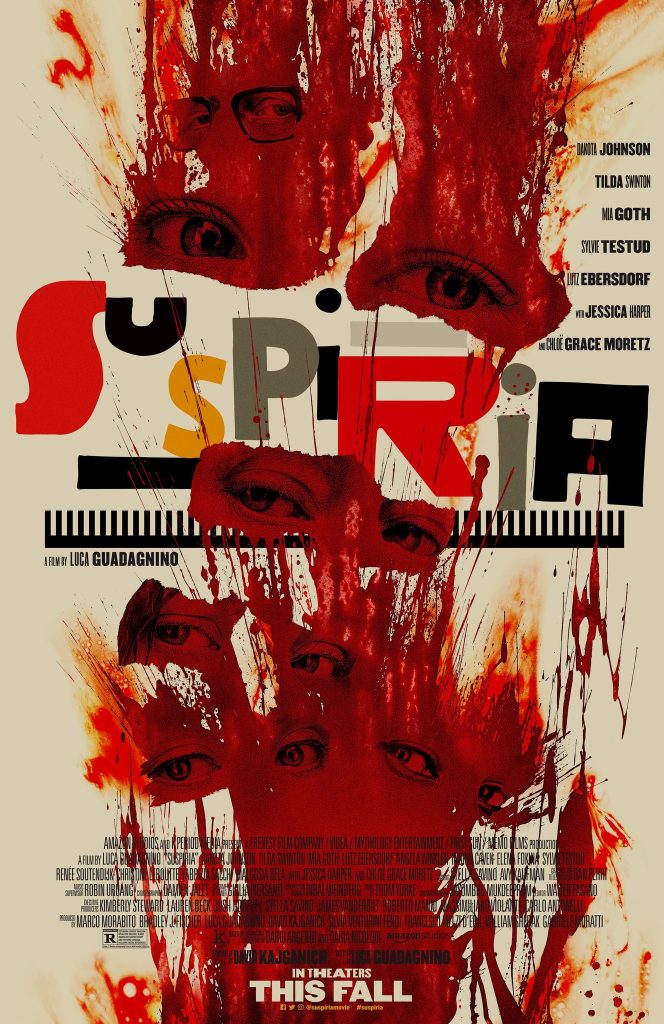
The 2018 reimagining by Luca Guadagnino is less a remake and more a philosophical horror epic. Set again in a Berlin dance academy, this version introduces three Mothers locked in a secret power struggle within the coven. Helena Markos (again posing as the head matron) leads one faction, while unseen forces suggest a greater power is about to awaken.
Enter Susie Bannion — who in this version is not a naive victim, but the reincarnation of Mother Suspiriorum herself. In a climactic twist, Susie embraces her true nature, disintegrates the Markos faction, and offers mercy to the tormented.
This Suspiriorum is no longer a decaying witch hiding in shadows, but a divine, ancient force — goddess-like and unknowable. She represents not cruelty, but a darker maternal compassion, purging corruption while commanding cosmic respect.
The film ends with memory erased, lives altered, and Suspiriorum reborn — a blood-soaked god of rebirth and ending.
Inferno (1980)
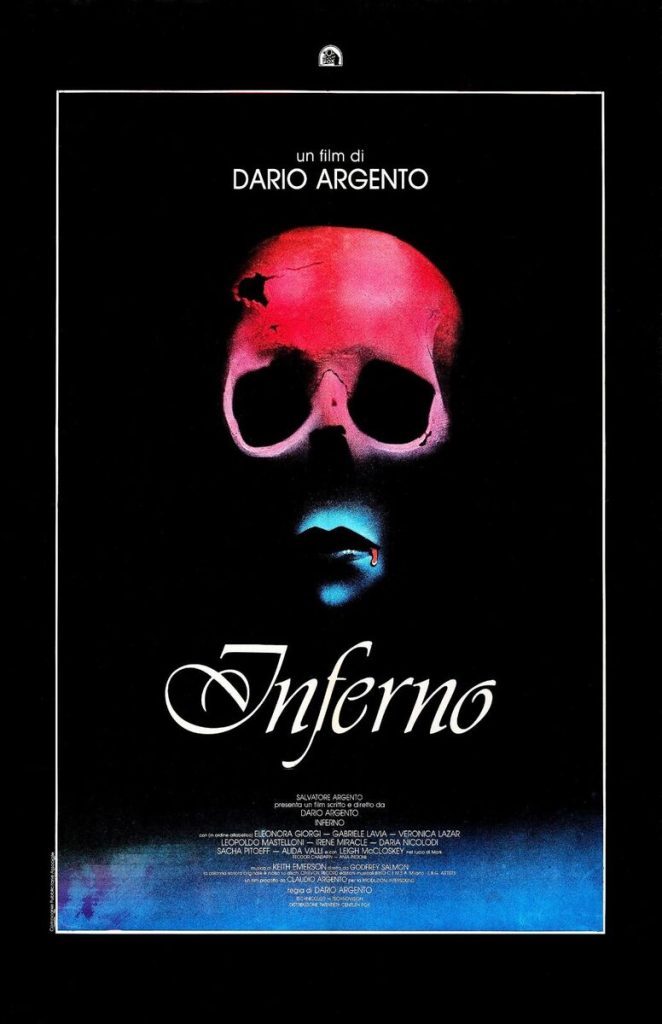
Though not the main focus, Mother Suspiriorum’s influence echoes in the second film of Argento’s Three Mothers trilogy. Inferno centers on Mater Tenebrarum, the Mother of Darkness, but we learn that Suspiriorum is the eldest of the three, born in grief, sighs, and shadows.
Her philosophy: “The names of the Three Mothers are hidden within the hearts of those who know.”
She exists not in buildings alone, but in the architecture of human suffering — a sighing in walls, a tremble in air. In this way, she is both present and distant — a background hum of ancient evil.
Physiology & Nature
- Not human, but an ancient, immortal being — possibly a goddess or demon older than language
- Exists in multiple forms: decaying corpse, shifting spirit, or cosmic mother
- Can possess, reincarnate, or manifest through chosen vessels (like Susie)
- Commands coven-based magic, including illusions, death by proxy, and memory manipulation
- Thrives on fear, grief, submission, and awe
- One of the Three Mothers:
- Mater Suspiriorum (Mother of Sighs – grief)
- Mater Tenebrarum (Mother of Darkness – despair)
- Mater Lachrymarum (Mother of Tears – sorrow)
- Not always evil — may offer mercy or obliteration, depending on intent and balance
Cultural Impact
- One of horror’s most mythic villains — more cosmic force than slasher
- Suspiria (1977) helped define Italian giallo horror with its color palette, score (Goblin), and surrealism
- Suspiria (2018) became a modern art-horror landmark, redefining the witch archetype
- Referenced in everything from American Horror Story: Coven to The Chilling Adventures of Sabrina
- Inspired countless depictions of feminine power as unknowable and terrifying
- Stands apart as a villain with philosophy, more akin to death gods or eldritch forces than traditional killers
League Placement
Mother Suspiriorum belongs in the First Class Tier — not for a kill count, but for her symbolic and mythic weight. She is death and mother, pain and mercy, ancient and infinite. She doesn’t chase. She waits for you to come to her.