
Real Name: Jame Gumb
First Appearance: The Silence of the Lambs (1991)
Most Iconic Form: Skin-collecting killer with a moth motif and psychological trauma
Kill Count: At least 6 confirmed victims (onscreen and implied)
The Silence of the Lambs (1991)
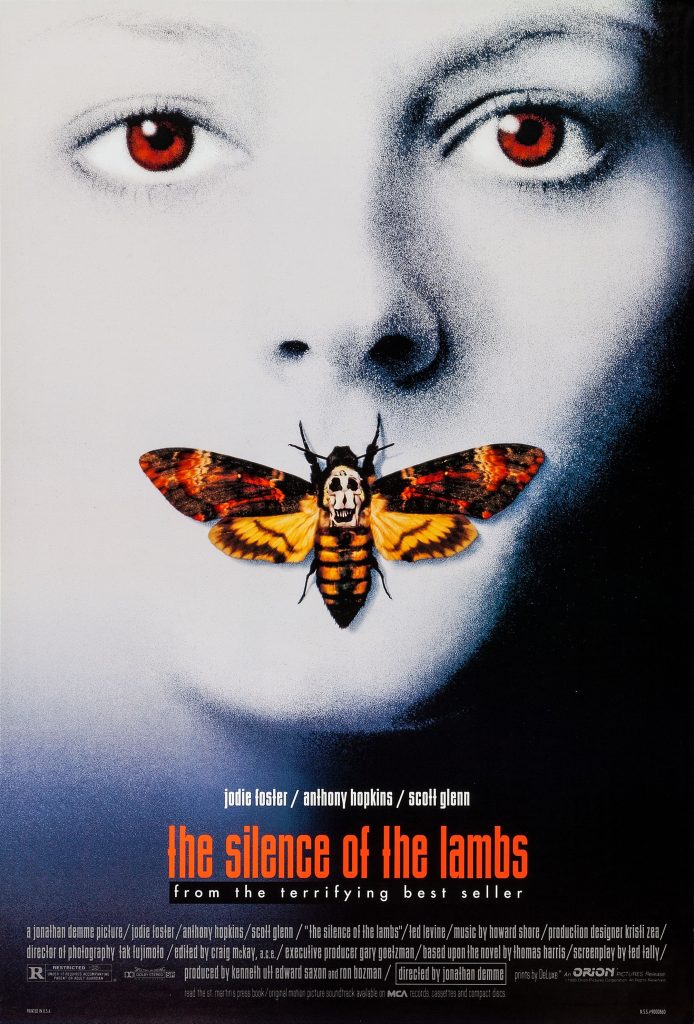
Buffalo Bill is one of the most chilling killers in cinema because of what drives him: obsession, transformation, and identity. Played with disturbing nuance by Ted Levine, Jame Gumb is a serial killer who abducts women, starves them, and then skins them to create a “woman suit” — a grotesque expression of his fractured psyche.
He is not just a murderer, but a symbol of warped self-perception. Bill doesn’t seek to destroy — he seeks to become. That ambition turns him into something far more terrifying than a slasher with a knife. He’s patient, methodical, and calculated, keeping his victims in a pit, referring to them as “it” to dehumanize them before their deaths.
Though he only appears in one film, Buffalo Bill left an indelible mark on the genre — thanks in no small part to the juxtaposition of his character with Dr. Hannibal Lecter, who helps FBI trainee Clarice Starling track him down.
Psychological Profile

Jame Gumb is a deeply disturbed individual with a history of abuse, abandonment, and trauma. His behavior is rooted in a desire for transformation — not simply gender-based, but identity-based. He is rejected from gender reassignment surgery and lashes out by creating his own path to change, no matter the cost.
- He raises death’s-head hawk moths, which symbolize metamorphosis — a twisted echo of his own desires.
- He impersonates femininity through dance, cosmetics, and sewing.
- He sees himself as misunderstood, and projects cruelty onto others before reclaiming power through violence.
- He prefers psychological domination — silence, starvation, fear — over brute force.
Iconic Scenes
- “It rubs the lotion on its skin or else it gets the hose again.”
- The disturbing mirror dance to “Goodbye Horses.”
- His soundless stalking of Clarice in night vision — a masterclass in tension.
- The moth cocoon placed in a victim’s throat, linking his victims to his symbolism.
Source & Legacy
- Based on real-life serial killers including Ed Gein, Ted Bundy, and Gary Heidnik
- Created by author Thomas Harris in the novel The Silence of the Lambs (1988)
- Buffalo Bill has become shorthand in pop culture for psychologically complex, skin-wearing killers — influencing characters in American Horror Story, The X-Files, Dexter, and House of 1000 Corpses
Cultural Impact
- Named one of AFI’s 100 Greatest Villains
- Parodied countless times, from Clerks II to South Park
- Considered one of the most realistic serial killers in fiction due to his psychological grounding
- A source of both controversy and analysis in discussions of gender identity and portrayal of queerness in horror
League Placement
Buffalo Bill belongs in the First Class Tier — a rare, grounded killer whose terror comes from reality rather than supernatural force. He doesn’t hide in the woods or wear a mask. He hides in plain sight, behind politeness, lotion, and silence. Few villains are this deeply human — and that’s what makes him monstrous.