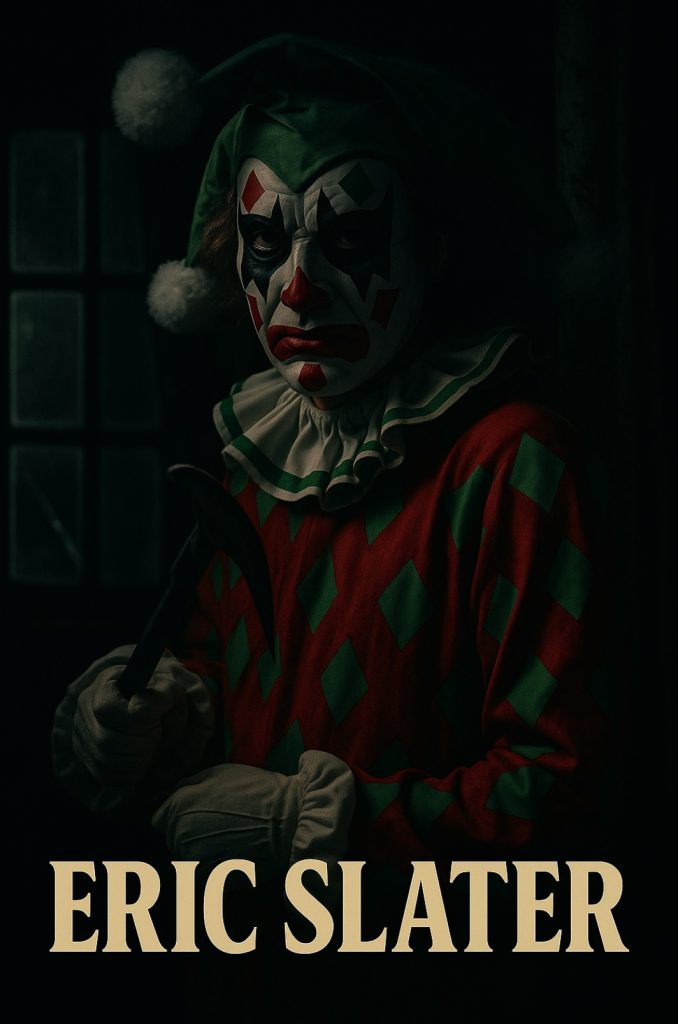
Also Known As: Eric Slater, The Hidden Son, The Sorority Killer
First Appearance: The House on Sorority Row (1983)
Most Iconic Form: A deformed young man driven to violence after a lifetime of secrecy and abuse
Kill Count: At least seven victims
Portrayed by: Christopher Lawrence
Tier: Third Class Tier
The House on Sorority Row (1983)
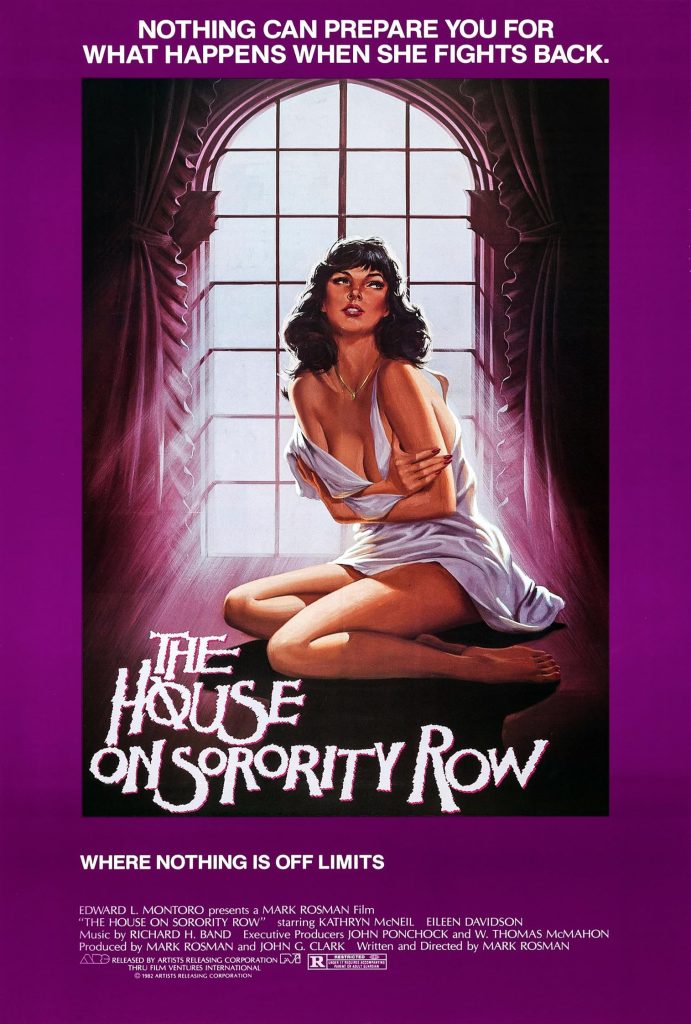
Directed by Mark Rosman, The House on Sorority Row is a key entry in the early eighties slasher wave, remembered for its blend of mystery, carnival atmosphere, and surprisingly emotional undercurrent. At the centre of its terror is Eric Slater, a deformed and traumatised young man hidden away for years by his domineering mother, Mrs Slater, the housemother of the sorority where the story unfolds.
Eric’s life has been shaped entirely by secrecy. He was born with severe physical deformities, the result of a failed experimental procedure carried out without consent. Mrs Slater, overwhelmed by guilt and disgust, kept her son concealed from the world, raising him in near total isolation. This upbringing became the root of his fractured psyche.
When a group of sorority girls accidentally kill Mrs Slater during a cruel prank, disorder spreads through the house. The girls attempt to conceal their crime, but as night falls and a graduation party erupts downstairs, Eric emerges from the shadows. Freed from his mother’s control and consumed by rage and confusion, he begins stalking the house with silent determination.
The film uses Eric’s presence to create a dreamlike sense of dread. He moves through dark hallways, storage rooms, and the attic with a mixture of childlike innocence and feral aggression. His attacks are swift and brutal, driven not only by anger but by a desperate longing for the mother who kept him hidden from the world.
One of the film’s most memorable sequences takes place during the sorority’s outdoor celebration, where bright colours and carnival music clash with Eric’s quiet approach. He kills with a cane, a symbol of his mother’s authority, turning her instrument of discipline into his own weapon. Each murder feels like a release of years of repression and emotional torment.
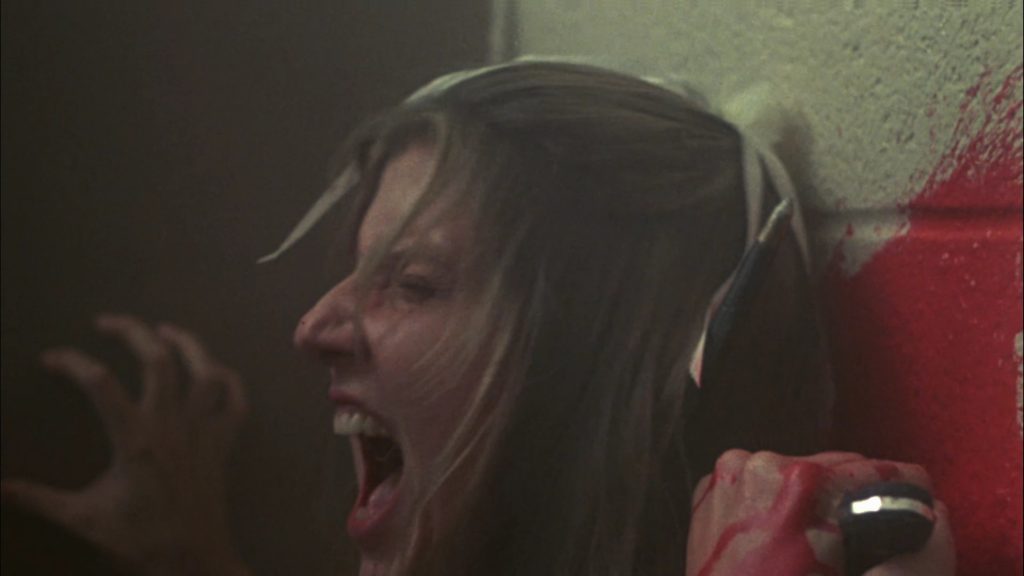
The final confrontation, set within a hallucinatory dreamscape as the heroine is sedated, blends psychological horror with slasher violence. Eric appears and disappears through shadows, at times childlike, at times monstrous. The climax positions him not simply as a killer but as a tragic figure shaped by trauma rather than malice.
Eric’s death does not close the story with traditional finality. The film ends on an ambiguous note, reinforcing the idea that the real horror lies in the past that created him rather than the violence he commits.
Character and Themes

Eric Slater is a classic example of the tragic slasher archetype. He is terrifying in action yet pitiful in origin. His deformities, secrecy, and isolation make him both a monster and a victim. Unlike killers driven by evil, Eric is the product of medical violation and parental rejection.
His behaviour reflects years of emotional stunting. He kills with the intensity of a frightened child lashing out. The symbolism of the cane and the constant visual references to his mother’s authority turn his violence into an extension of her control.
He fits firmly in the tradition of misunderstood slashers such as Cropsy, Ronald from Schizo, and even Jason Voorhees in his earliest form, although Eric remains grounded in realism rather than mythology.
Legacy
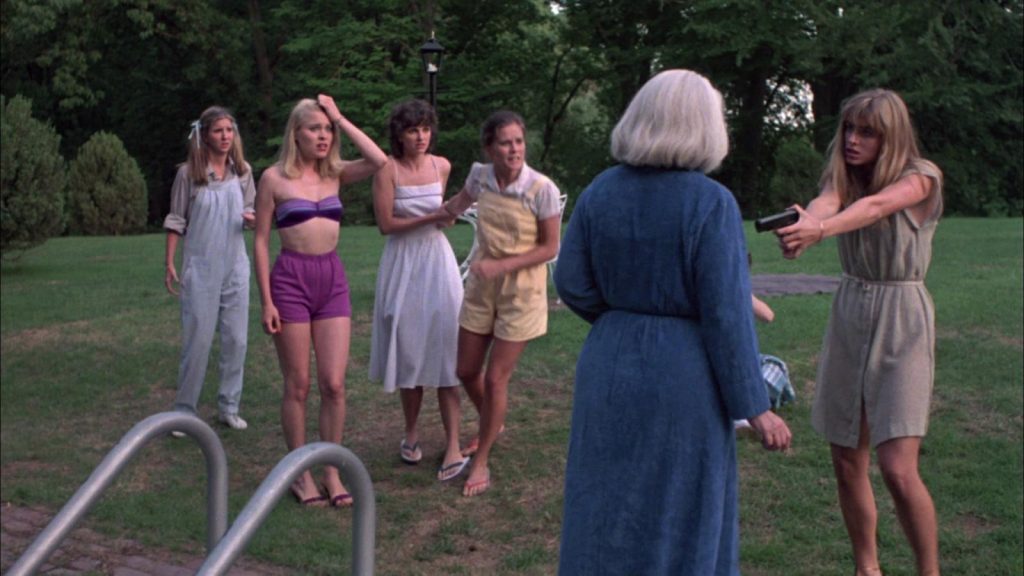
While The House on Sorority Row is often celebrated for its atmosphere and mystery, Eric Slater remains its most haunting element. His design, with pale skin, twisted features, and expressive eyes, gives him an unnerving presence that stands out even in a crowded decade of slasher villains.
The character has gained a cult following, especially among fans of the more psychological side of the slasher genre. His role as both antagonist and symbolic victim preserves him as one of the more memorable killers from the early eighties.
League Placement
Eric Slater belongs in the Third Class Tier. His horror is grounded in trauma, secrecy, and psychological instability rather than legend or supernatural power. He is frightening, memorable, and tragic, fitting perfectly within the tier of human killers shaped by cruelty rather than myth.