

Also Known As: Alex Hammond, The Prom Night Killer
First Appearance: Prom Night (1980)
Most Iconic Form: A masked figure in a black hooded outfit armed with a sharp axe and driven by guilt and grief
Kill Count: Five confirmed victims
Portrayed by: Michael Tough
Tier: Third Class Tier
Prom Night (1980)
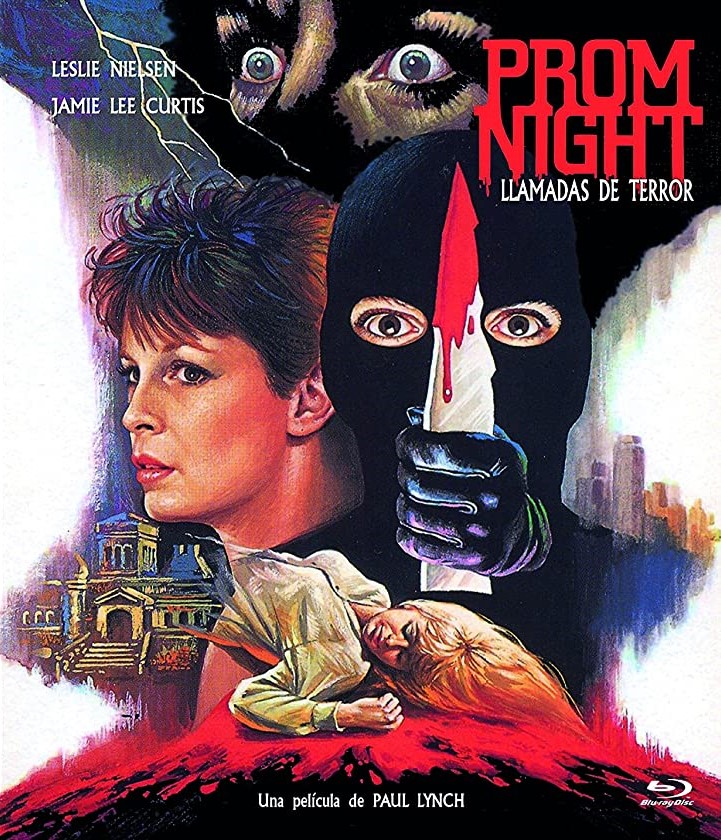
Paul Lynch’s Prom Night is a defining entry in the first wave of 1980s slashers, released at the height of the genre’s golden era. Beneath its disco soundtrack and high-school glamour lies a story of repression, guilt, and revenge.
The film begins six years before the titular dance, in an abandoned building where a group of children play a cruel game of “Killers.” The game turns deadly when young Robin Hammond is accidentally frightened into falling from a window. The children panic, swearing never to tell anyone what happened. Robin’s brother Alex Hammond and their family are devastated, but the truth remains hidden.
Years later, the surviving children are now teenagers preparing for their prom. As the event approaches, someone begins to stalk them, calling their homes with whispered threats. The night of the dance arrives in a swirl of lights and music, but behind the mirrored walls and spinning disco balls lurks the figure of a killer in black.
The murders unfold with a grim rhythm. One by one, those responsible for Robin’s death are hunted down and killed. The atmosphere is thick with dread as the past catches up with the present. The reveal comes only in the final moments, when the killer’s mask is torn away to expose Alex Hammond — Robin’s older brother, seeking revenge for the secret that destroyed his family.
Alex’s killings are not random acts of cruelty. Each is driven by a warped sense of justice, the product of years of silence and grief. His face at the end, broken and tearful as his sister Kim (played by Jamie Lee Curtis) realises the truth, transforms the film from a simple slasher into a tragedy. He dies not as a monster but as a victim of memory.
Psychology and Motivation
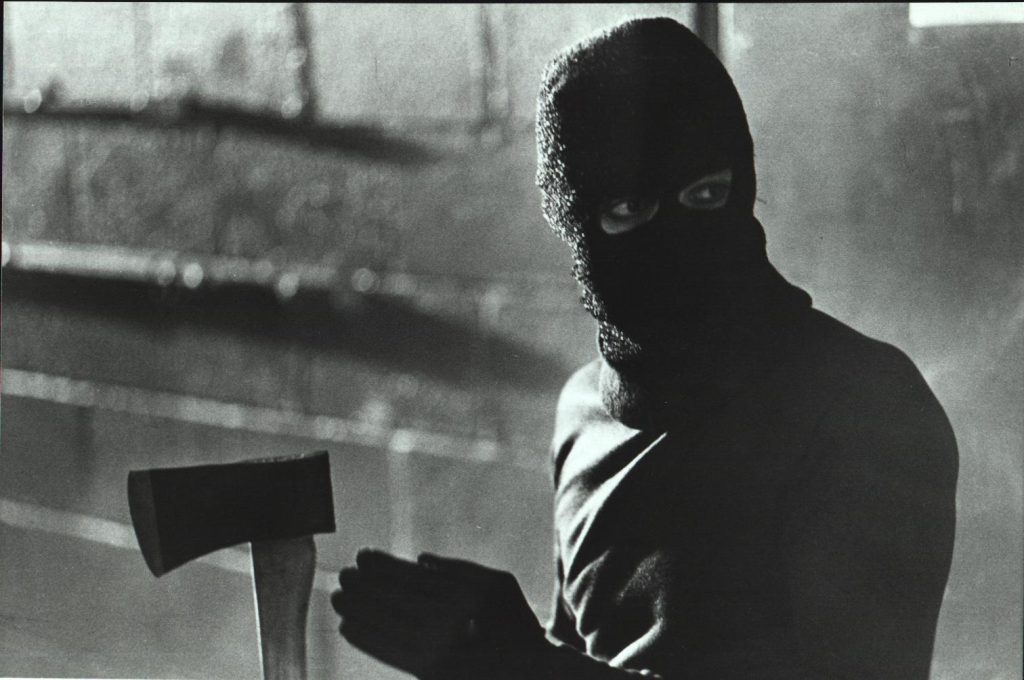
Alex Hammond is a study in guilt and repression. His violence is not driven by lust or mania, but by the weight of unspoken trauma. For six years he carries the secret of his sister’s death, watching those responsible move on with their lives. His transformation into the Prom Night Killer is the inevitable breaking point of that grief.
His actions are carefully planned yet emotionally chaotic. The black costume and mask allow him to become the embodiment of Robin’s forgotten pain. The axe, his chosen weapon, is blunt and final — a symbol of both punishment and release. Unlike the supernatural killers of the decade, Alex is a deeply human murderer. His story is one of sorrow rather than evil.
Themes and Symbolism
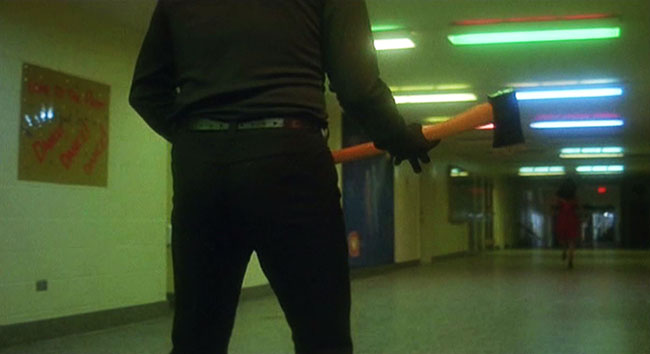
Prom Night explores the idea of collective guilt and the cost of silence. The polished, glittering world of the prom represents denial, while Alex’s dark figure symbolises the truth clawing its way back to the surface. The film’s disco sequences, colourful and almost joyful, contrast sharply with the killer’s presence, reminding the viewer that horror often hides behind normality.
The film also inverts audience expectations. The killer is not an outsider, but someone within the circle — a friend, a brother, a ghost made flesh. When Alex is unmasked, the moment carries genuine pathos. His eyes, filled with sadness rather than rage, expose the horror of a child’s grief that never healed.
Cultural Impact

Prom Night helped define the rules of the high-school slasher, influencing a generation of similar films. It was one of the first to mix teen drama with horror, balancing emotional realism with stylised violence. The film’s success, bolstered by Jamie Lee Curtis’s star power, made it a cornerstone of the post-Halloween wave of horror.
Alex Hammond’s identity as the killer surprised audiences, who expected a faceless monster rather than a grieving brother. His reveal added emotional weight to what could have been a simple revenge narrative. Though later sequels abandoned the Hammond storyline entirely, the original remains the strongest, precisely because of Alex’s tragic humanity.
Over time, Prom Night has been reappraised as one of the more nuanced slashers of its era. Its killer is not supernatural, its motive not arbitrary. It is a film about the persistence of guilt — and the way childhood sins can echo across a lifetime.
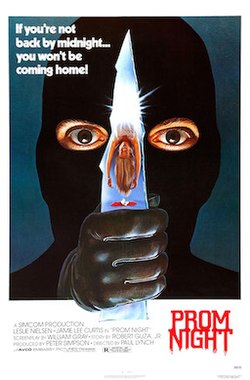
League Placement
Alex Hammond belongs in the Third Class Tier. His story is closed, his death final, yet the echoes of his tragedy remain. He is a killer born from grief, driven by the past, and remembered not as a monster but as a brother lost to vengeance.