Hammer Acquires Susan Hill’s Complete Works as The Woman in Black Author Finds a New Gothic Home
More than a decade after The Woman in Black became one of modern Hammer’s greatest successes, the studio is deepening its relationship with the writer who created it. John Gore Studios has acquired rights to the complete works of Dame Susan Hill, opening the door for her extensive catalogue of ghost stories, novels and other writing to be developed across film, television and, where existing rights arrangements permit, theatre.
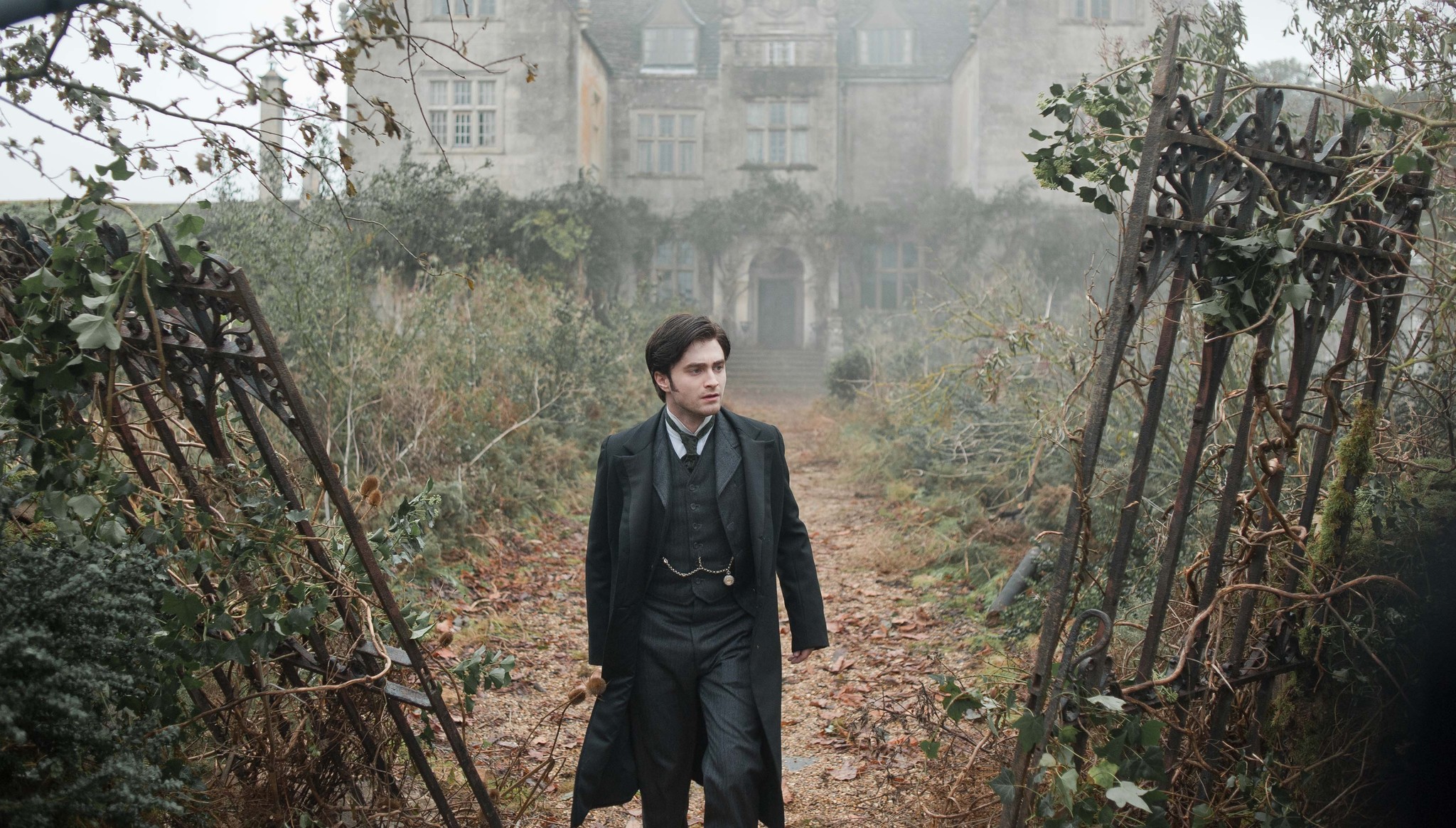
It’s a particularly appropriate partnership. Hill has spent decades writing the kind of restrained, atmospheric supernatural stories that feel naturally at home beneath the Hammer banner, while The Woman in Black already demonstrated just how successfully the two names could work together. Hammer’s 2012 adaptation, directed by James Watkins and starring Daniel Radcliffe, became a major international hit and gave the revived studio one of its defining films.
Now Hammer could have considerably more Susan Hill material to play with.
British theatre producer John Gore acquired Hammer Films and Studios in 2023, with plans to preserve the company’s history while developing a new generation of productions. The acquisition of Hill’s work significantly expands those possibilities, and Hill herself won’t simply be handing over the keys and disappearing. She is expected to be actively involved in the ongoing management of the portfolio and its development strategy, as well as serving as an executive producer on new projects.
“Susan Hill is one of Britain’s most distinctive literary voices, and it is a privilege to become a custodian of such an extraordinary body of work,” Gore said. He added that the intention is to approach her stories with respect for their characters, suspense and atmosphere while finding new ways to bring them to audiences.
Far More Than The Woman in Black
Naturally, The Woman in Black remains Hill’s most famous ghost story. First published in 1983, the novel follows solicitor Arthur Kipps as his work takes him to the isolated Eel Marsh House and into the history of its terrifying supernatural inhabitant. Its old-fashioned structure and emphasis on suggestion, landscape and gradually mounting dread helped turn it into a modern Gothic classic.
The story’s life away from the page has been remarkable. Stephen Mallatratt’s stage adaptation opened in Scarborough in 1987 before transferring to London, where it became one of the West End’s longest-running plays. A television adaptation appeared in 1989, while Hammer’s 2012 film brought the story to an enormous new audience. A cinematic sequel, The Woman in Black: Angel of Death, followed in 2014.
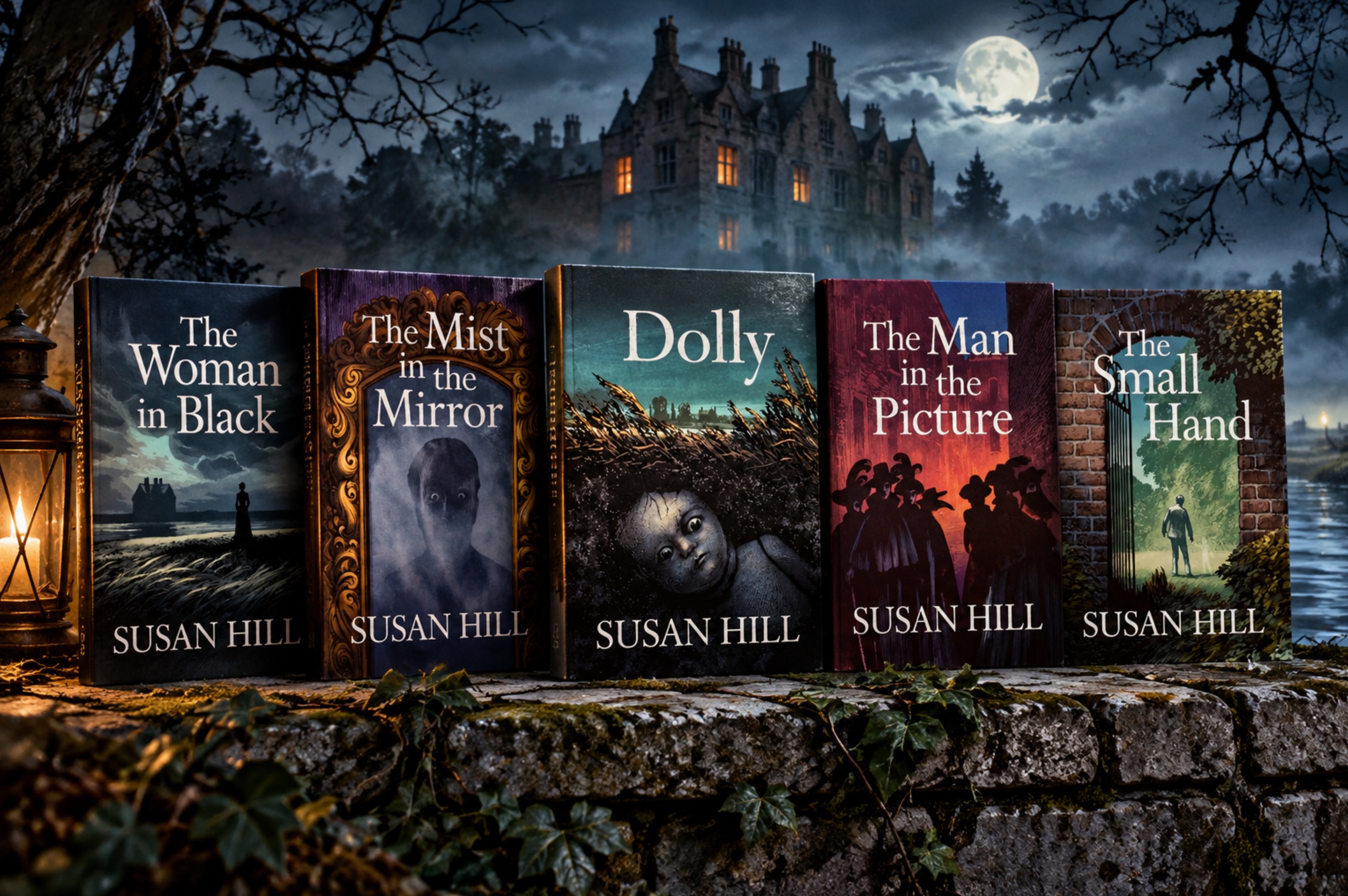
Hill’s supernatural writing extends considerably further, however. The Mist in the Mirror follows a traveller fascinated by an explorer whose life he intends to investigate, drawing him into an increasingly unsettling mystery. Like much of Hill’s best supernatural fiction, its power comes from atmosphere and uncertainty rather than overwhelming the reader with explanations.
The Man in the Picture revolves around a mysterious Venetian carnival painting and the disturbing history contained within it, while The Small Hand follows an antiquarian bookseller whose encounter with an abandoned house begins with the sensation of a child’s hand slipping into his own. Dolly turns childhood resentment, an unsettling doll and memories of a remote house into another compact Gothic nightmare, while Printer’s Devil Court concerns a group of young men and experiments that stray into territory best left alone.
Those stories provide Hammer with several obvious possibilities without requiring any of them to become The Woman in Black 2.0. Hill’s ghost fiction frequently shares a sensibility rather than a connected mythology. Lonely houses, buried histories, unreliable memories and people discovering that the past isn’t remotely finished with them recur throughout her work.
Nor is Hill exclusively a horror writer. Her bibliography spans literary fiction, crime, children’s literature and non-fiction. I’m the King of the Castle, published in 1970, is a deeply uncomfortable study of childhood cruelty and isolation, while Strange Meeting explores the relationship between two soldiers during the First World War. Hill also created the long-running Simon Serrailler crime novel series, beginning with The Various Haunts of Men in 2004.
That breadth makes the acquisition potentially much larger than a collection of future ghost movies.
A Natural Fit for Hammer
For Hammer, however, the supernatural material will inevitably attract immediate attention. The studio’s identity was built upon Gothic horror, from Dracula and Frankenstein to haunted houses, sinister villages and terrible secrets waiting behind locked doors. Hill’s best ghost stories approach Gothic storytelling from a quieter direction, but the shared DNA is obvious.
Hill herself acknowledged that connection when discussing the deal, describing Hammer as having “a long and distinguished place in the history of British gothic storytelling” and expressing her pleasure that the two worlds can now come together.
No individual adaptation has yet been announced, so there is currently no confirmation that The Small Hand, Dolly or any other particular title will become a Hammer film or television series. What has been secured is something potentially much bigger: access to an extraordinary British literary catalogue and the direct involvement of its creator.
Thirteen years after The Woman in Black proved there was still a huge audience for traditional Gothic terror, Hammer has gone back to Susan Hill. This time, it hasn’t returned for just one ghost story.