Killer Sheep Are Baaack in the First Trailer for Black Sheeps
Twenty years after New Zealand discovered that genetically modified livestock and irresponsible science make an exceptionally messy combination, the killer flock is back. Umbrella Entertainment has released the first official trailer for Black Sheeps, the long-awaited sequel to Jonathan King’s 2006 horror comedy Black Sheep, and original star Nathan Meister is returning as Henry Oldfield. The sequel heads back to the rural world of King’s first film, but rather than simply repeating the original story, this time a potentially dangerous new pathogen provides the reason to venture back towards a part of New Zealand where the sheep have previously demonstrated a worrying interest in eating people.
King is once again directing, with the new story credited to Jonathan King, Matthew Grainger and Rosie Howells. Meister is joined by Tabatha Killick, Lucia Davison, Joseph Witkowski, Ian Harcourt, Heather O’Carroll, Paul Waggott and Renaye Tamati, while promotional material confirms that Oliver Driver, who played animal-rights activist Grant in the original film, is also returning. Black Sheeps will have its world premiere at the Sitges Film Festival in October, followed by New Zealand premieres at the Terror-Fi Film Festival in Wellington on October 24 and Auckland on October 28. It will then open in cinemas across New Zealand on November 12, 2026. No US release has yet been announced.
When Sheep Stopped Being Cuddly
Anyone encountering Black Sheep for the first time from its title could be forgiven for expecting something considerably less insane. King’s feature directorial debut took one of New Zealand’s most familiar rural sights and asked the perfectly reasonable question of what would happen if thousands of sheep suddenly decided that grass was boring and humans looked considerably tastier. The New Zealand Film Commission describes the 86-minute film as a horror comedy centred on Henry Oldfield, played by Meister, who has developed a severe fear of sheep following traumatic events during his childhood. Fifteen years later, he returns to the family farm intending to sell his share to his older brother Angus, played by Peter Feeney. Unfortunately, Angus has spent the intervening years conducting genetic experiments on sheep, which is precisely the sort of information you really want disclosed before signing any property paperwork.
The disaster begins when environmental activists Grant and Experience interfere with Angus’s work and a mutant lamb escapes from the laboratory. The infection spreads through the flock, transforming ordinarily harmless sheep into carnivorous predators. Even worse, being bitten can have rather dramatic consequences for humans too, producing grotesque human-sheep hybrids. Henry consequently finds himself facing the one thing he is terrified of, except his previously irrational fear of sheep has suddenly become completely rational. Alongside Experience, played by Danielle Mason, and farmhand Tucker, played by Tammy Davis, Henry has to survive the increasingly bloodthirsty flock while uncovering what Angus has been doing on the farm.
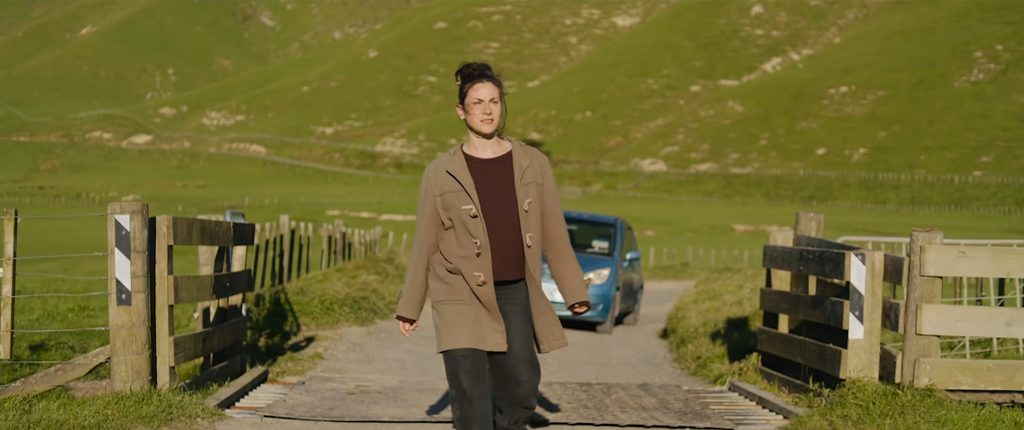
That premise could easily have resulted in nothing more than a one-joke spoof, but Black Sheep committed wholeheartedly to its creature-feature madness. The film mixed splatter, body horror and broad comedy with practical creature work from Wētā Workshop, which had already become internationally famous through its work on productions including The Lord of the Rings. For Black Sheep, Wētā’s work included prosthetics, make-up effects, animatronic puppets and an enormous eight-foot were-sheep constructed around performer Kevin McTurk, complete with stilts and a fully articulated animatronic head. The result was a movie that could deliver the inherently ridiculous sight of murderous sheep charging across a field while still supplying genuinely elaborate practical gore and transformation effects.
The film began its international life at the Toronto International Film Festival in September 2006, where it screened as part of Midnight Madness, before its New Zealand theatrical release in March 2007. It subsequently travelled widely on the festival circuit, with the New Zealand Film Commission recording appearances at events including SXSW, Tribeca, FrightFest, the Sydney Film Festival and the Brussels International Festival of Fantastic Film. The Commission also lists an Audience Award and Special Jury Prize at Gérardmer and a Silver Raven at Brussels among its honours. According to the new sequel announcement, Black Sheep ultimately grossed around US$5 million worldwide and developed the cult following that has kept people talking about homicidal livestock for the best part of two decades.
Back to the Farm with Black Sheeps
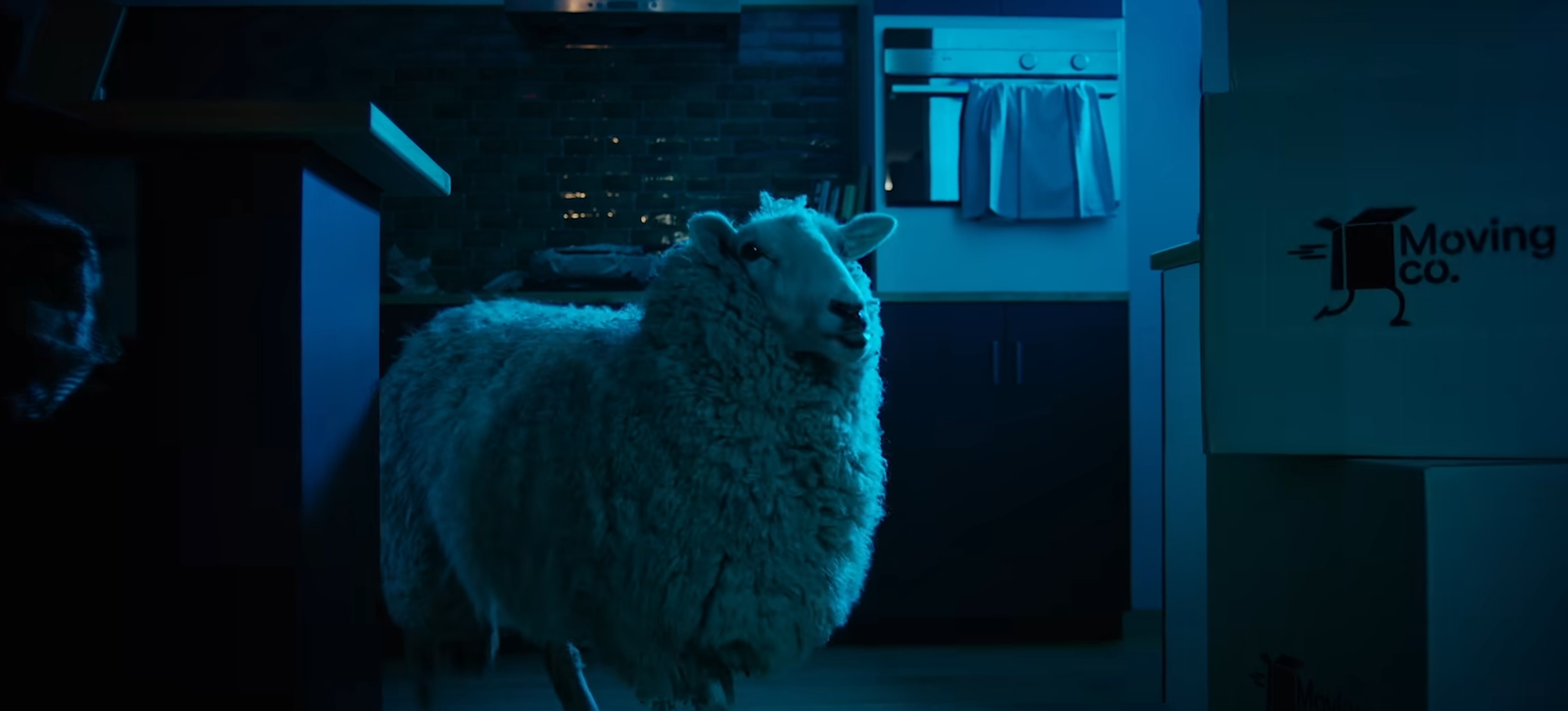
Black Sheeps doesn’t appear to be pretending those events never happened. The new film follows a young scientist who becomes convinced that a dangerous pathogen is threatening the population. Her investigation takes her back to her hometown, situated close to the remote sheep station where the original outbreak occurred. Umbrella’s description says the story is set in and around the original farm and its neighbouring town, establishing a direct geographical connection to King’s first film while introducing a new group of characters.
Exactly what the pathogen is, how it connects to the genetic experiments from Black Sheep, and what Henry Oldfield has been doing during the intervening years have not yet been fully detailed. The trailer makes it very clear, however, that the consequences of the first film haven’t resulted in New Zealand’s sheep becoming any more dependable. The sequel is being promoted as another mixture of creature effects, gore and irreverent humour, rather than a radical reinvention of the concept.
Most encouragingly for fans of the original, Wētā Workshop is back. Richard Taylor’s effects company is returning to provide creature work for the sequel, meaning the filmmakers have once again gone to the people responsible for some of the first movie’s most memorable monsters. Given how important tangible creatures, prosthetics and gore were to Black Sheep’s identity, bringing Wētā back alongside King and Meister gives Black Sheeps a substantial creative connection to its predecessor rather than simply recycling its title.
There is also something rather wonderful about the fact that, after twenty years of increasingly elaborate horror franchises, cinematic universes and legacy sequels, Black Sheep has finally returned with the magnificently uncomplicated title Black Sheeps. Not Black Sheep: Resurrection. Not Black Sheep: The New Flock. Not Black Sheep: Legacy of the Lamb. Just add an S and release the monsters back into the field.
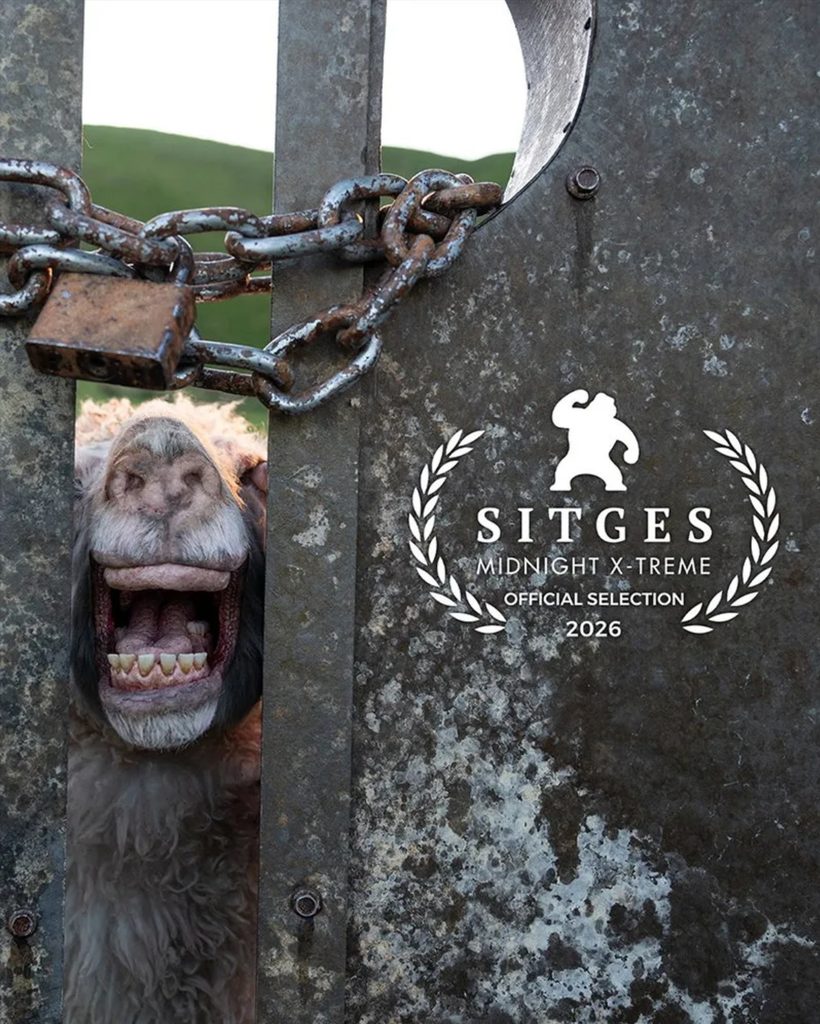
Black Sheeps has its world premiere at Sitges in October before opening in New Zealand cinemas on November 12, 2026. International release dates, including the United States and UK, have not yet been announced.