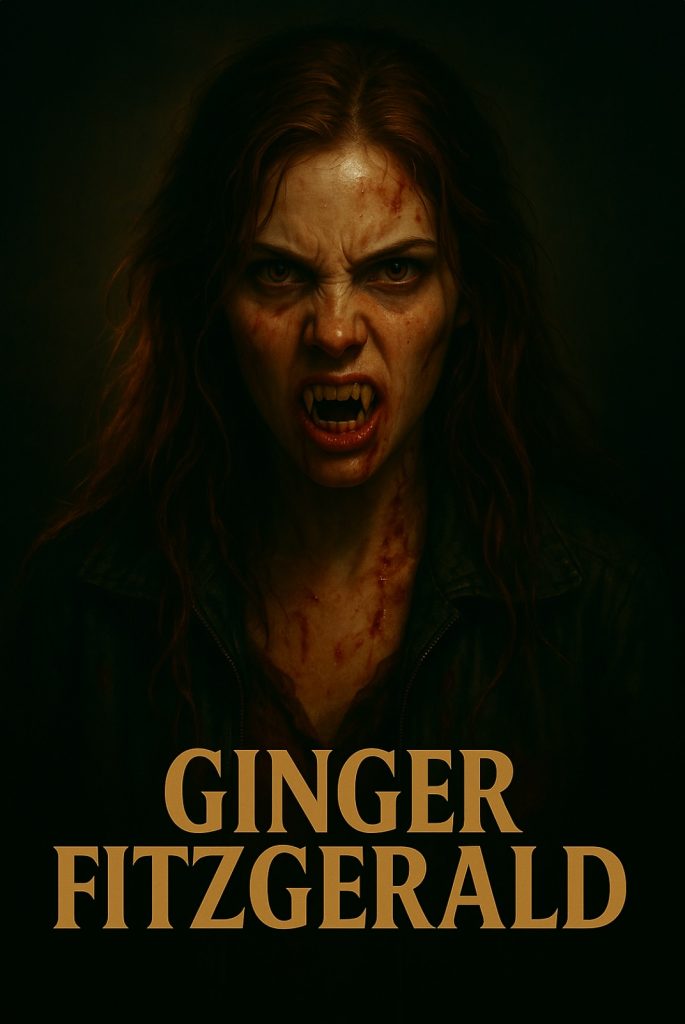
Also Known As: Ginger Fitzgerald, Ginger
First Appearance: Ginger Snaps (2000)
Most Iconic Form: A suburban teenage girl transforming into a werewolf as puberty, rage, and appetite take over
Kill Count: Multiple victims during her transformation
Portrayed by: Katharine Isabelle
Tier: Second Class Tier
Ginger Fitzgerald is one of the most distinctive werewolf figures in modern horror, a killer whose violence is inseparable from adolescence, identity, and bodily transformation. Introduced in John Fawcett’s Ginger Snaps, she begins not as a monster but as one half of a morbid, inseparable sister duo living in the bland suburb of Bailey Downs. Alongside her younger sister Brigitte, Ginger is obsessed with death, alienation, and rejecting the shallow rituals of teenage life. That changes when she is attacked by a wild creature on the night she gets her first period, triggering a physical and psychological transformation that turns her into something far more dangerous.
What makes Ginger so memorable is that her monstrosity unfolds gradually. She does not become a beast all at once. Instead, the film lets the change creep in through heightened sexuality, aggression, confidence, and cruelty. The werewolf transformation becomes a dark metaphor for puberty, but Ginger is never reduced to symbolism alone. She becomes a genuinely frightening presence, lashing out at classmates, manipulating boys, and leaving a trail of blood behind her as her humanity slips away.
Film Appearances
Ginger Snaps (2000)
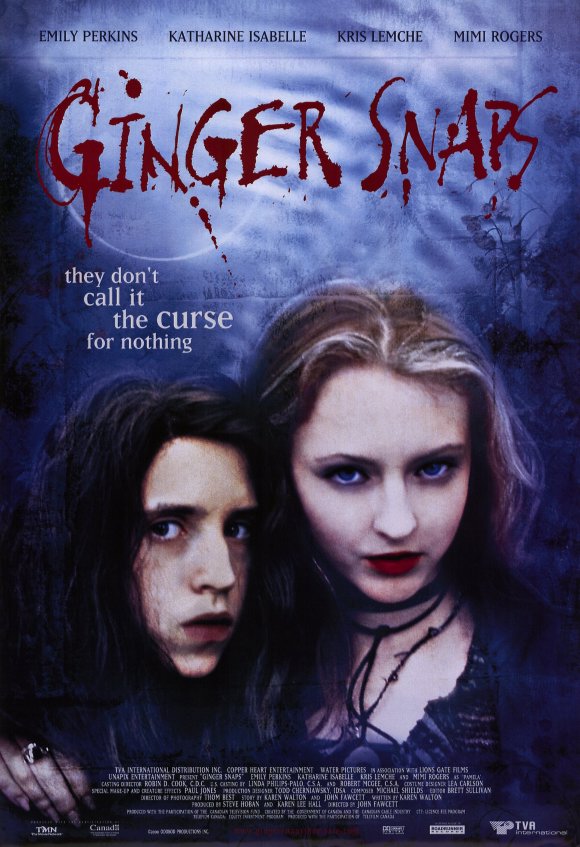
In the original film, Ginger is introduced as the sharper, more rebellious of the Fitzgerald sisters, united with Brigitte by a fascination with death and a refusal to fit into suburban normality. After being mauled by a creature while out at night, she begins to change. At first the signs seem strange but manageable: a tail, wounds that heal unnaturally fast, a surge in sexual confidence, and increasingly erratic behaviour. Soon, however, the transformation becomes impossible to ignore.
As Ginger embraces her new power, she becomes more volatile and predatory. The film links her lycanthropy to physical maturation and social awakening, but the horror comes from how completely she begins to enjoy the change. She grows more seductive, more dominant, and more contemptuous of the people around her. Her victims include boys she lures in, classmates caught in her orbit, and eventually anyone unlucky enough to cross her path. By the climax, Ginger has fully become a werewolf, forcing Brigitte into a tragic confrontation between sisterly loyalty and survival.
Ginger Snaps 2: Unleashed (2004)
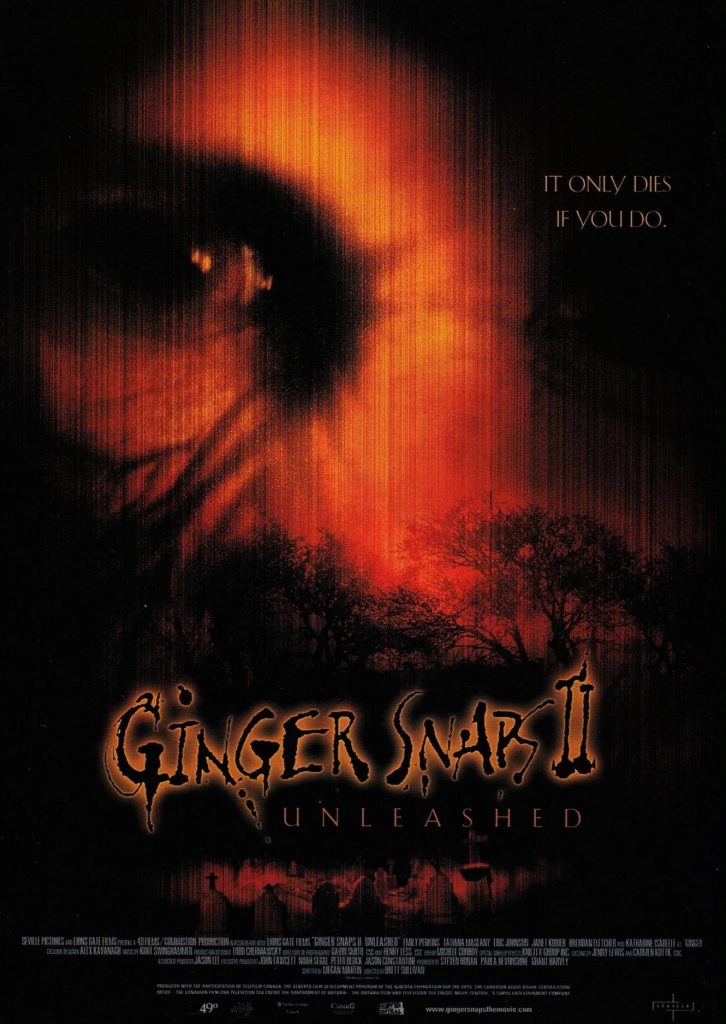
Although the sequel focuses primarily on Brigitte, Ginger still looms large over the story. She appears as a haunting presence, part memory, part hallucination, part psychological residue of trauma and infection. Even in death, Ginger’s influence remains corrosive and intimate, pushing Brigitte toward despair and transformation. Her presence in the sequel reinforces that Ginger is not just a one film monster, but the emotional and thematic core of the series.
Ginger Snaps Back: The Beginning (2004)
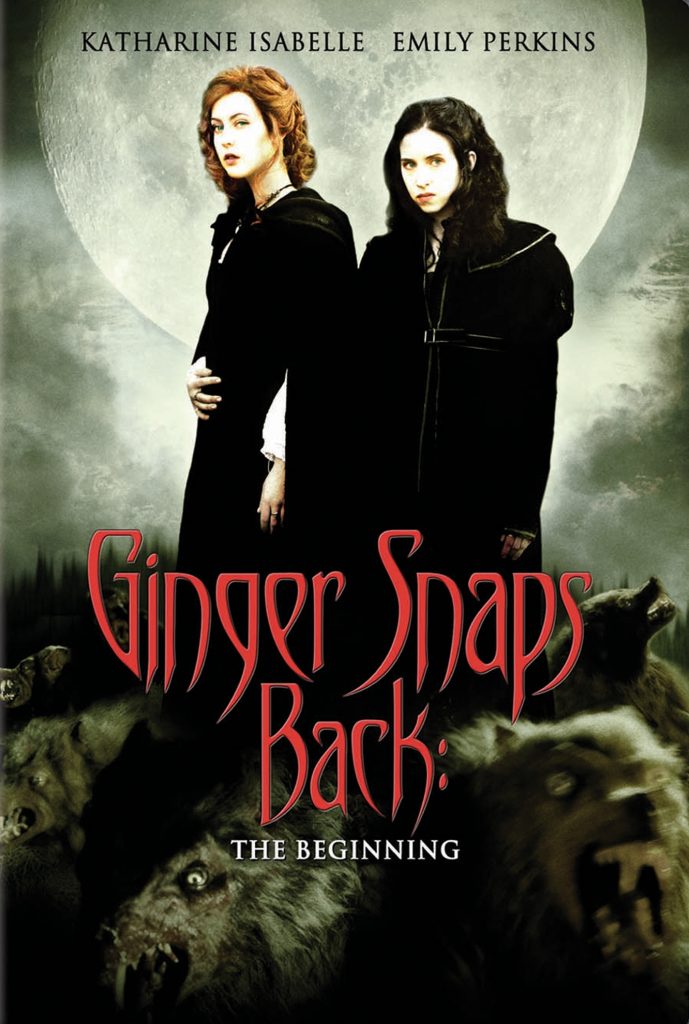
The third film reimagines the Fitzgerald sisters in the nineteenth century, with Katharine Isabelle once again playing Ginger. This version is not the same continuity as the original, but it preserves Ginger’s essential traits: boldness, volatility, and a dangerous relationship to the curse infecting the wilderness around her. The film turns the character into an archetype, showing how naturally she fits within gothic horror as well as suburban body horror.
Character and Legacy
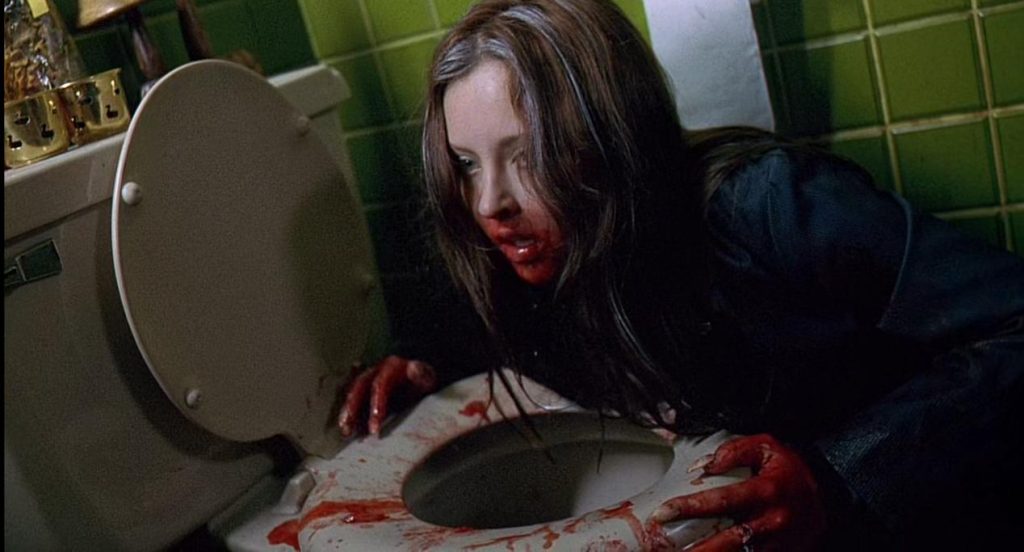
Ginger Fitzgerald stands out because she is both tragic and terrifying. She is not simply attacked by monstrosity. She recognises something liberating in it. The werewolf curse gives form to impulses that were already simmering beneath the surface: anger, desire, contempt for social performance, and a hunger to stop feeling powerless. That makes her more complicated than a standard victim turned killer.
The film itself has become a cult classic, widely praised for its sharp writing, practical effects, feminist horror themes, and refusal to treat teenage girlhood as either sentimental or safe. Ginger sits at the centre of that achievement. Katharine Isabelle’s performance gives her charisma, cruelty, and flashes of vulnerability, making her one of the strongest werewolf characters in horror cinema.
Her legacy has only grown over time. Ginger Snaps is now regarded as one of the defining horror films of the early two thousands, and Ginger remains its most enduring image: a girl turning into a monster while the world around her still expects her to behave normally. That tension is what keeps her memorable.
League Placement
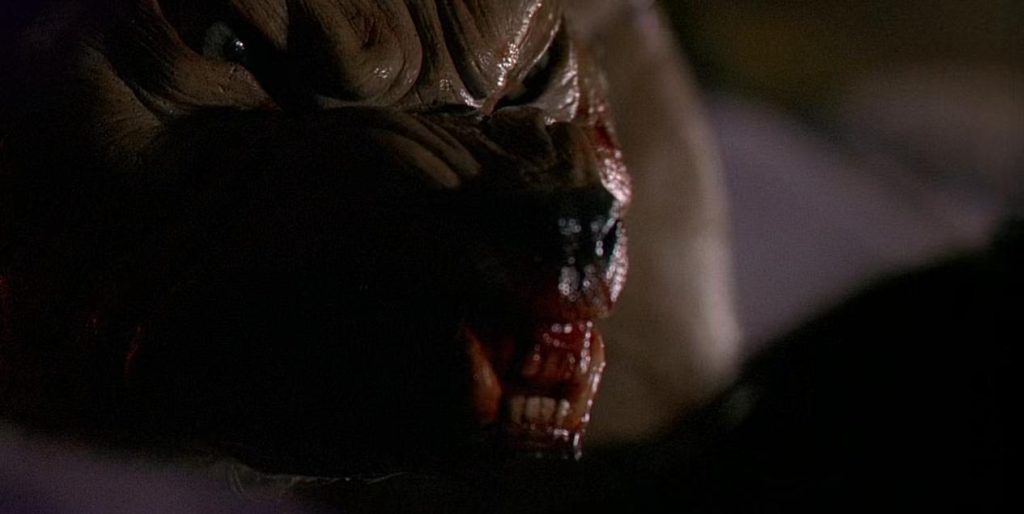
Ginger Fitzgerald belongs in the Second Class Tier. She is not a franchise wide boogeyman or mythic horror deity, but she is one of modern horror’s most iconic werewolf figures, elevated by a brilliant central performance and a film that has become a genuine cult landmark.