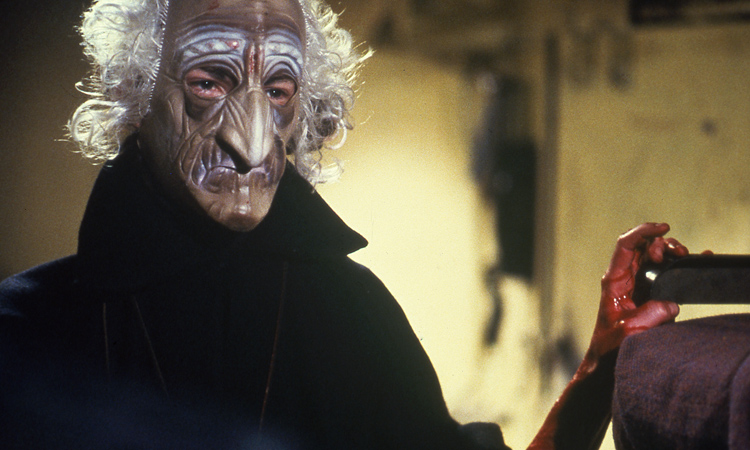
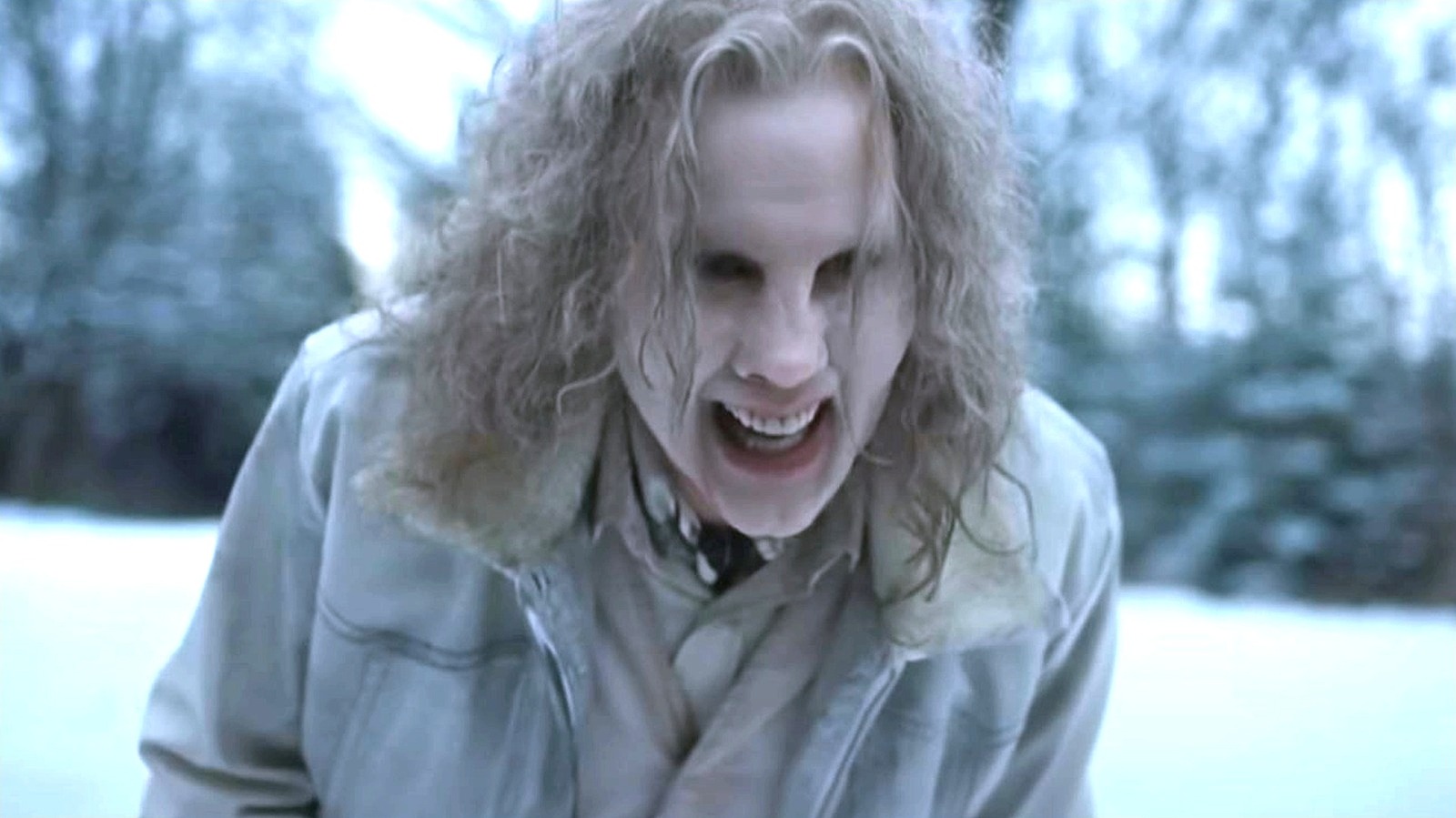
Longlegs Joins the Hall of Killers: Why Nicolas Cage’s Occult Serial Killer Lands in Third Class
The Hall of Killers has made room for another deeply unsettling addition, and this one arrives wrapped in occult dread, cryptic messages, and a performance from Nicolas Cage that feels less like acting and more like an accidental summoning. Longlegs, the central antagonist of Osgood Perkins’ horror film, officially enters the Third Class tier, a spot reserved for killers who are terrifying, narratively vital, and profoundly wrong, but not built for straightforward slasher dominance.
This is not a villain who kicks down doors with a machete. Longlegs operates on a different frequency entirely.

Who Is Longlegs in the Film?
Longlegs is presented as a serial killer whose crimes stretch across decades, but the film frames him as something more than a conventional murderer. His actions feel ritualistic, preordained, and tied to a larger occult design that never fully explains itself. He leaves coded messages, eerie recordings, and shattered families in his wake, not as trophies, but as part of a pattern that seems to have been set in motion long before the story begins.
Rather than feeling like a man who chose evil, Longlegs comes across as a human conduit for something ancient and malevolent. He does not stalk in the traditional sense. He does not chase victims through corridors. He lingers at the edges of events, influencing outcomes like a bad omen that knows your address.
That slow, creeping presence is what defines his horror.
Nicolas Cage’s Performance as Longlegs
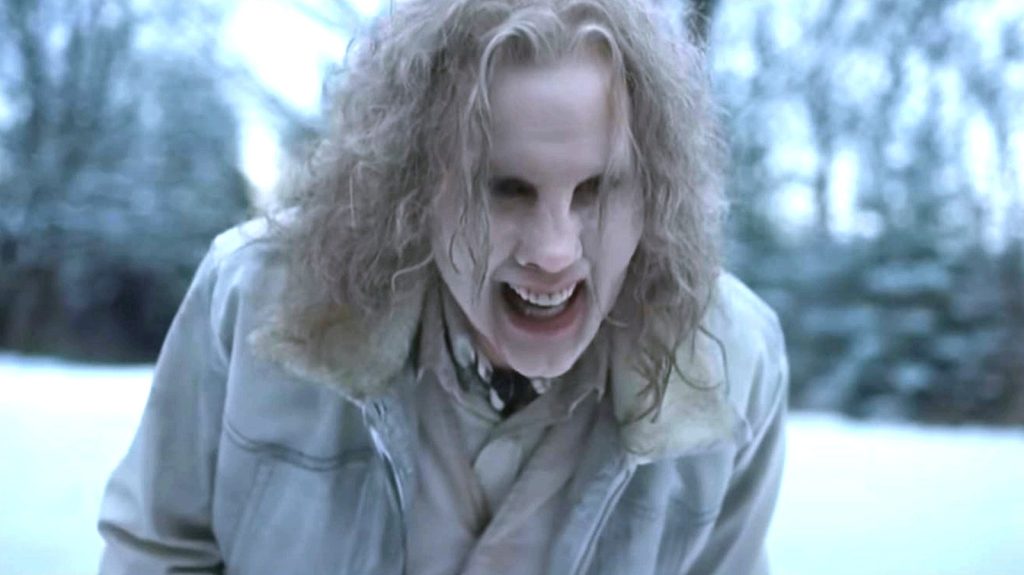
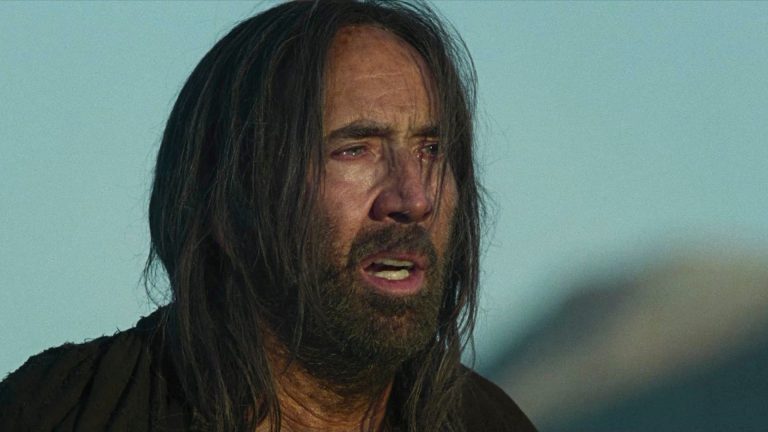
Any discussion of Longlegs has to start with Nicolas Cage. Osgood Perkins built the role with Cage in mind, and the result is one of the actor’s most uncanny and off-putting turns in years. Cage plays Longlegs with a soft, warped voice that sometimes slips into childlike tones, as if the character is attempting to imitate human behaviour with only partial understanding of how it works.
His physicality is stiff and slightly misaligned, like a marionette that has become aware of the strings. Every gesture feels studied and just a fraction too rehearsed. It creates an uncomfortable tension where the audience is never sure if they should laugh or recoil. Often, they do both, which only adds to the unease.
The performance is not built around explosive moments. It is built around presence. Cage turns Longlegs into a figure who seems to hum with low-level cosmic interference.
An Occult Killer Defined by Atmosphere
Longlegs does not rely on flashy body counts or elaborate kill scenes. His horror is atmospheric and psychological. The crimes in the film feel like part of a larger design, one that the characters are only beginning to glimpse. Symbols and clues appear, but they do not offer closure. Instead, they suggest inevitability, as if the violence was always going to happen.
He does not lunge from the shadows. He sits in the background of the narrative like a curse that has already taken effect. This makes him less of a traditional slasher villain and more of a lingering force, a man shaped and driven by something beyond his control.
Why Longlegs Ranks in Third Class
The Third Class tier of the Hall of Killers is reserved for figures who are deeply disturbing and central to their stories, but whose power is tied to specific circumstances. Longlegs fits this description perfectly.
He is terrifying within the occult framework of the film, where patterns, rituals, and unseen forces give his actions weight. Remove that context, however, and he becomes a deeply strange man whose behaviour would likely attract immediate attention in the real world. He is not a brute force killer who can dominate any setting. He is a conduit, and his power depends on the larger, darker system working through him.
That limitation keeps him out of the higher tiers, but it does nothing to reduce the chill he leaves behind.
Longlegs is not cool, slick, or built for franchise hero shots. He is an embodiment of dread, filtered through Osgood Perkins’ eerie direction and Nicolas Cage’s uniquely unsettling performance. He represents a strain of modern horror villainy built on suggestion, ritual, and cosmic wrongness rather than physical spectacle.
For weaponised unease, occult atmosphere, and the sense that something is quietly watching from the edge of the frame, Longlegs earns his place in the Hall of Killers: Third Class.