
Also Known As: Belial Bradley, The Basket Monster, Duane’s Twin, The Freak in the Basket
First Appearance: Basket Case (1982)
Most Iconic Form: A deformed, telepathic, and feral parasitic twin kept inside a wicker basket
Kill Count: At least twenty confirmed across the trilogy
Portrayed by: Kevin Van Hentenryck (voice and puppetry)
Tier: Second Class Tier
Basket Case (1982)
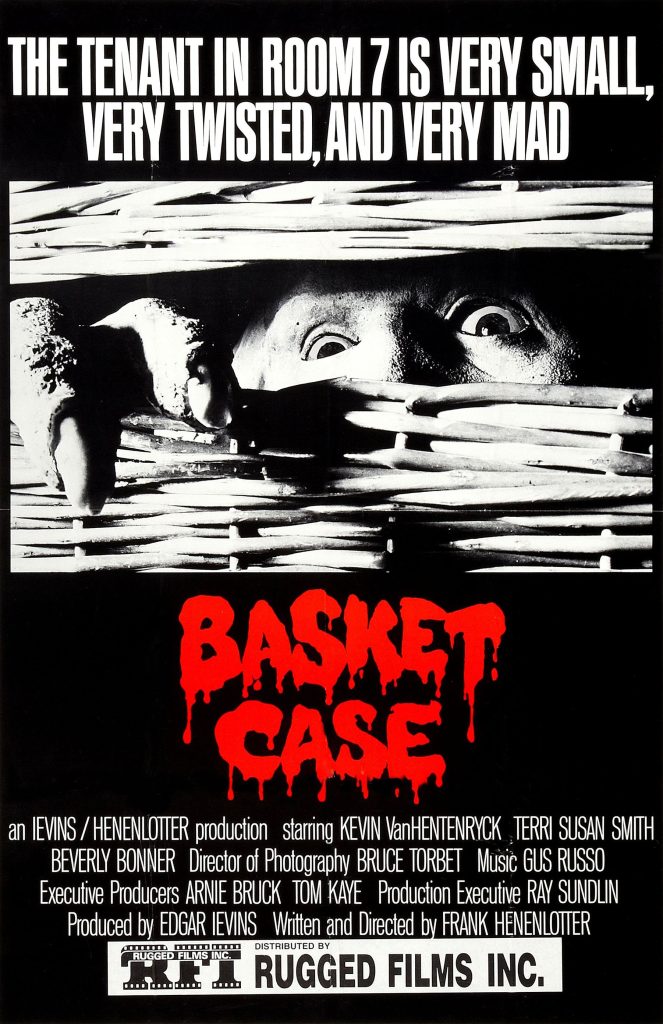
Directed by Frank Henenlotter, Basket Case is a grimy, unforgettable journey into New York exploitation horror. It tells the story of Duane Bradley, a naive young man who arrives in the city with a large wicker basket — and something alive inside it.
That something is Belial, Duane’s deformed conjoined twin. Once surgically separated by a group of doctors, Belial survives the operation, horribly disfigured but very much alive. The brothers share a telepathic bond that links their thoughts, emotions, and pain. Where Duane represents innocence and repression, Belial embodies everything primal and furious.
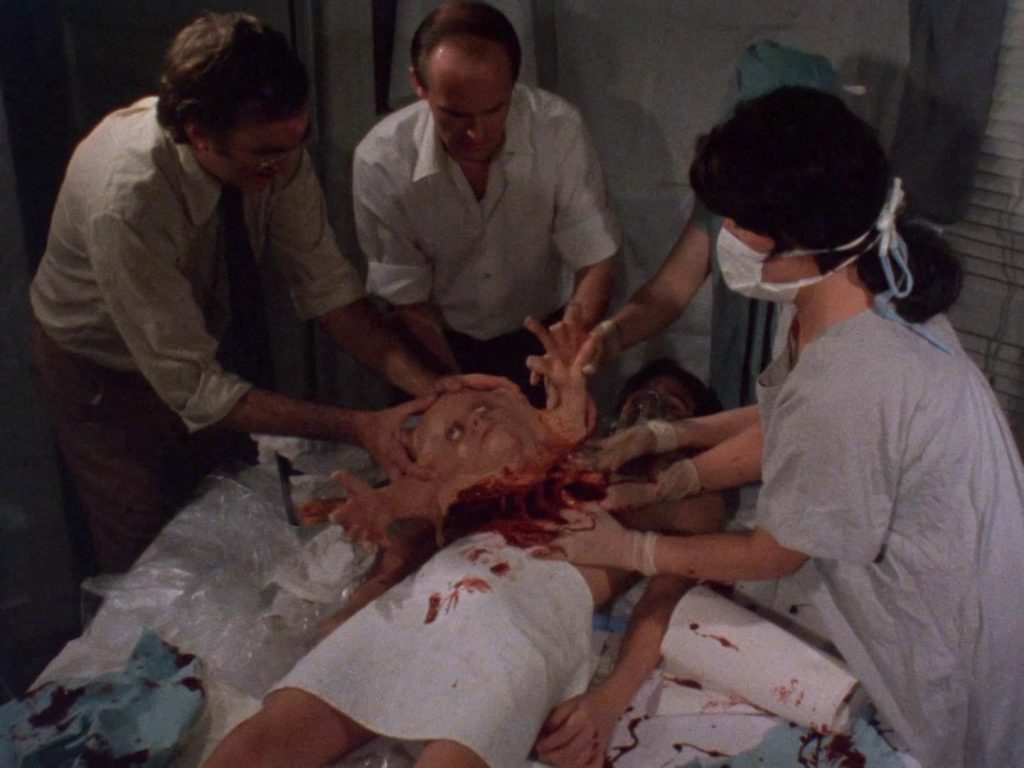
Together, they hunt down and kill the surgeons who tore them apart. The murders are savage, personal, and fuelled by emotion rather than instinct. Belial’s attacks are performed through a mixture of puppetry, stop-motion, and animatronics — crude but disturbingly expressive. He shrieks, claws, and tears with animal fury, yet his jealousy and longing give him tragic depth.
When Duane tries to form a romantic relationship, Belial’s rage becomes uncontrollable. His dependence on his brother turns possessive, transforming love into confinement. The final sequence, where the two brothers fall locked in each other’s grasp, is horrifying and strangely poignant — a literal collapse of their codependence.
Belial is not evil in the traditional sense. He is the product of trauma, rejection, and a world that refuses to see him as human. His monstrous form reflects emotional suffering more than moral corruption.
Basket Case 2 (1990)
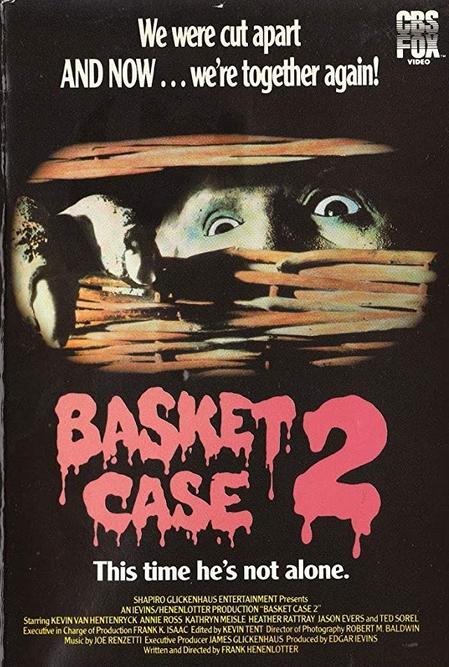
Henenlotter returned to the story nearly a decade later with Basket Case 2, expanding the universe from grim city streets to a hidden refuge for society’s outcasts.
Duane and Belial survive their fall and are rescued by Granny Ruth, a compassionate woman who runs a sanctuary for deformed individuals known as “unique beings”. Her home, part mansion and part asylum, is filled with mutants who live together as a community, free from human cruelty.
For Belial, this marks a turning point. He finds others who resemble him and is no longer alone for the first time in his life. His character evolves from predator to protector, and he even finds love with another creature, Eve, who shares his deformity.
However, peace does not last. When outsiders attempt to expose or harm the group, Belial’s violent instincts return. His rage is now defensive rather than vengeful, but just as destructive. The sequel shifts from revenge horror to freak-show fable, blending grotesque imagery with an undercurrent of tenderness.
Through Belial, the film explores the thin line between monstrosity and community, showing that those labelled “monsters” are often more human than the people who exploit them.
Basket Case 3: The Progeny (1991)
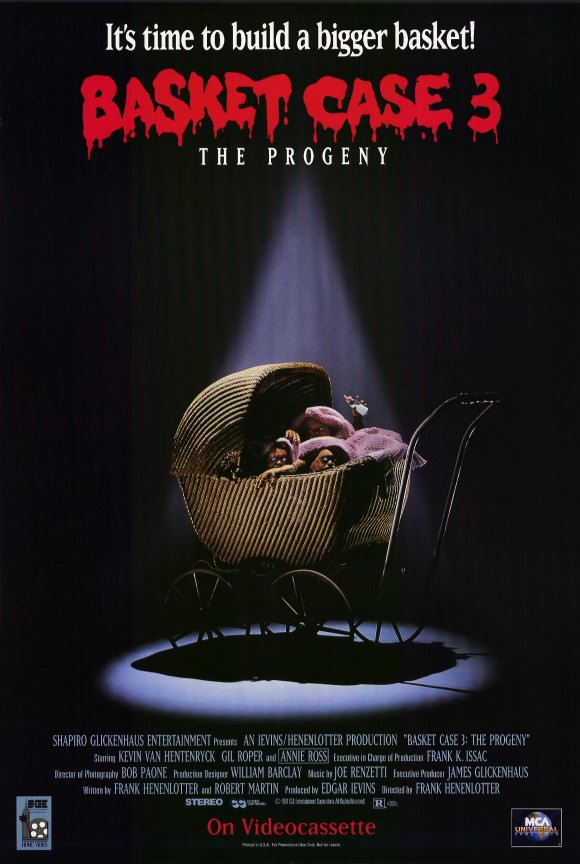
The final film in the trilogy, Basket Case 3: The Progeny, takes the story to its most bizarre and emotional point. Belial and Eve’s relationship leads to pregnancy, and the entire community gathers around to help her give birth to a litter of equally deformed offspring.
The film balances humour, family drama, and horror, presenting Belial as both father and destroyer. When his children are stolen by corrupt police officers, he goes on a brutal rampage to retrieve them. His transformation from hidden killer to vengeful patriarch gives him mythic weight, elevating the series from exploitation to something oddly Shakespearean in its tragedy.
By the end, Belial’s story comes full circle. He has become both victim and villain, protector and destroyer. His rage is no longer just against the world that rejected him, but against anyone who threatens the fragile peace he has finally found.
The film ends on a note of dark absurdity, perfectly encapsulating Henenlotter’s world — grotesque, touching, and defiantly human.
Nature and Symbolism
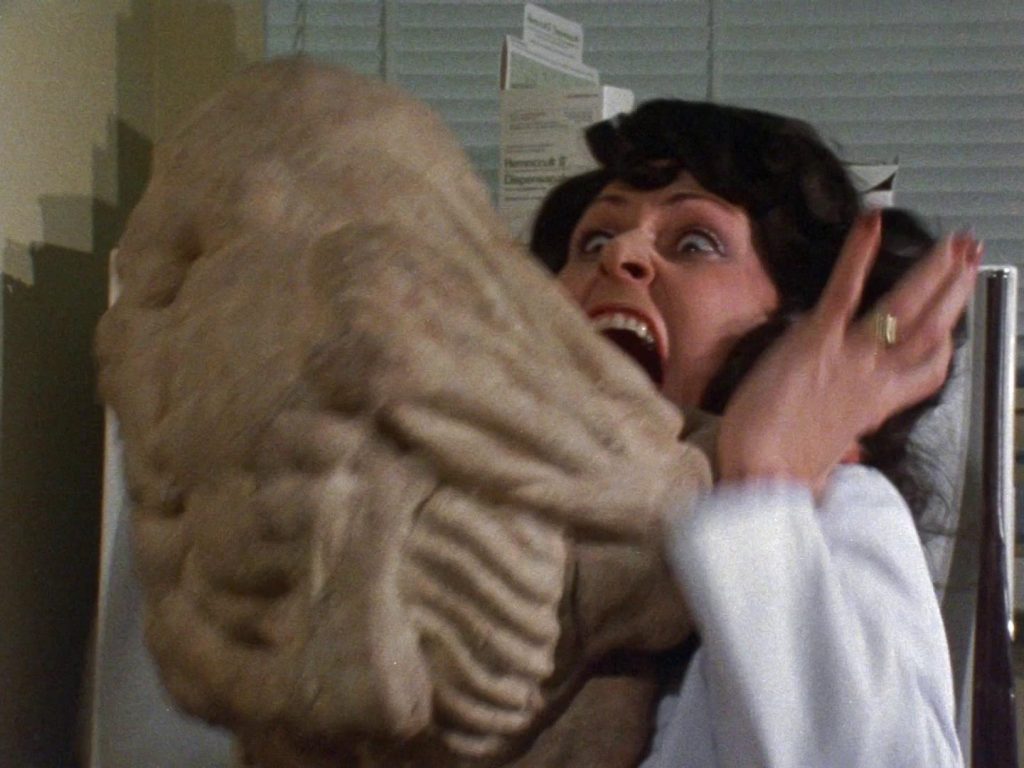
Belial Bradley is one of horror cinema’s most fascinating embodiments of duality. His deformity externalises the internal struggle between love and hate, acceptance and isolation. He is the physical manifestation of what society refuses to embrace — the grotesque mirror of human neglect.
His connection with Duane makes him more than a monster. He is dependency, rage, jealousy, and grief personified. The basket that contains him becomes a metaphor for the subconscious, the place where we hide everything shameful and uncontrolled.
Despite his horrifying appearance, audiences often feel sympathy for him. His cries, his gestures, and his moments of tenderness make him more tragic than terrifying.
Legacy
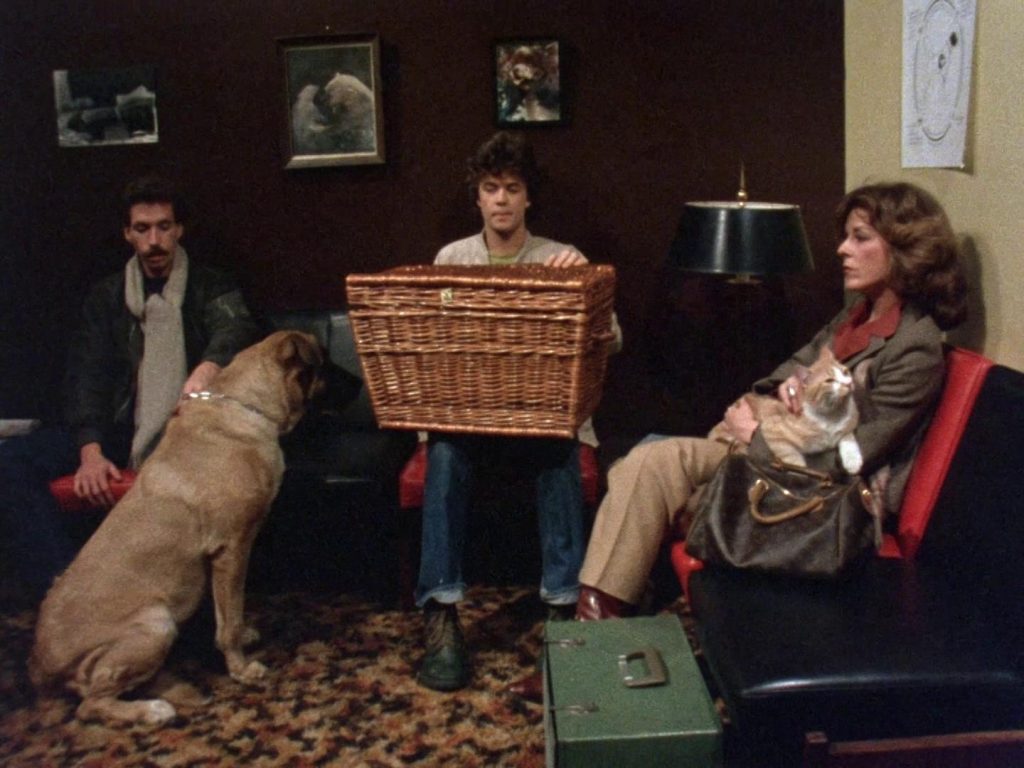
Over time, Belial has become a cult icon of underground cinema. Basket Case is often cited as one of the defining films of the 1980s New York exploitation wave, alongside Street Trash and Maniac.
Belial’s design, created on a shoestring budget, remains instantly recognisable — a perfect marriage of grotesque creativity and emotional power. His story paved the way for later explorations of monstrous twins and parasitic siblings in films such as Malignant and The Brood.
Belial endures not because of his savagery, but because of his humanity. He is the rage of abandonment made flesh, a figure who reminds us that every monster was once someone’s child.
Arrow Video released Basket Case on Blu-ray and is beloved by collectors.
League Placement
Belial Bradley belongs in the Second Class Tier. He is the ultimate cult creation — brutal, tragic, and unforgettable. Both a killer and a victim, he remains one of horror’s most enduring portraits of the monstrous side of love.