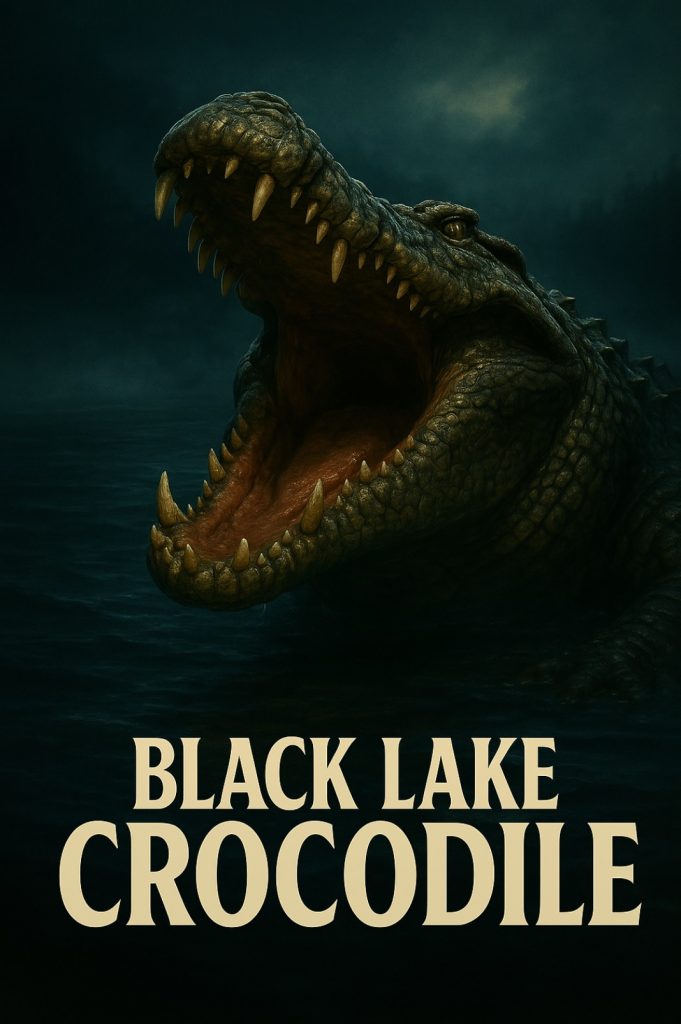
Also Known As: Black Lake Crocodile, The Lake Placid Crocodile, The Crocodile of Black Lake
First Appearance: Lake Placid (1999)
Most Iconic Form: A twenty-eight-foot saltwater crocodile thriving in the cold freshwater of rural Maine
Kill Count: Dozens across the film series
Tier: Second Class Tier
Lake Placid (1999)
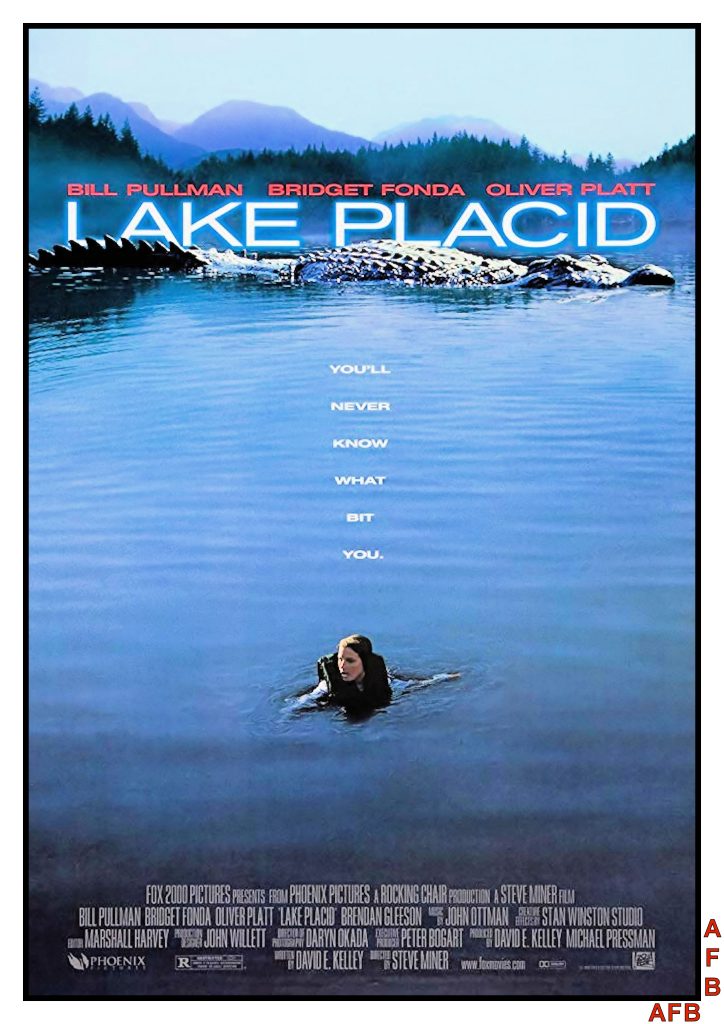
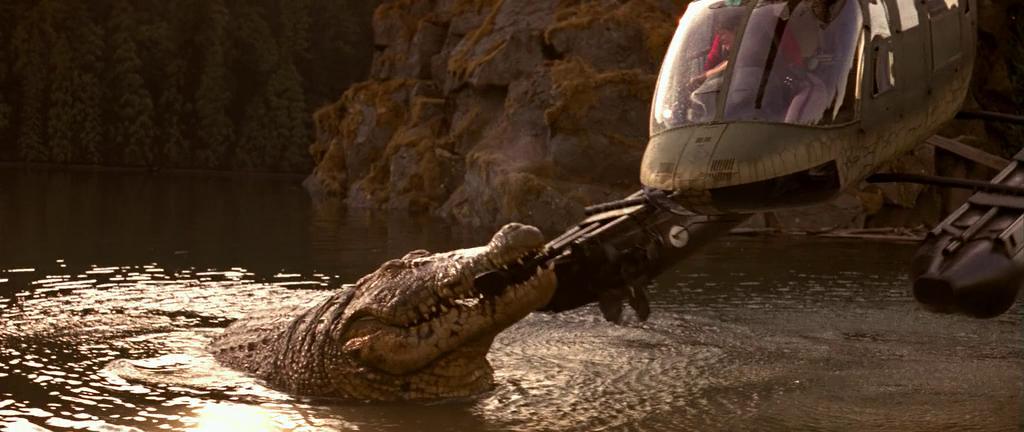
Directed by Steve Miner and written by David E. Kelley, Lake Placid combined creature terror with wry humour, creating one of the most beloved monster films of the 1990s. The setting, Black Lake in Maine, becomes a stage for nature’s quiet revenge when a series of brutal deaths lead to the discovery of an enormous crocodile lurking beneath the surface.
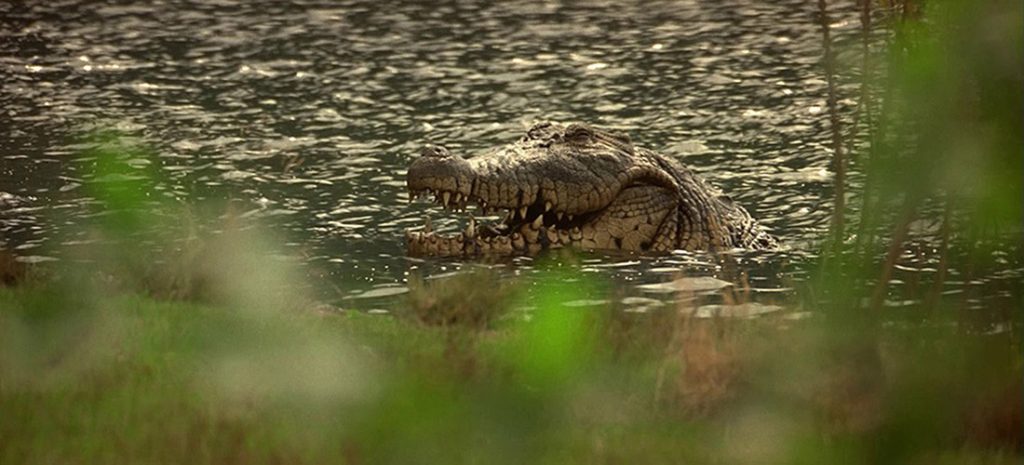
The creature is revealed to be a saltwater crocodile far from its native habitat, measuring nearly thirty feet in length. How it came to live in Maine remains a mystery, but it has adapted perfectly to its new environment, feeding on deer, moose, and occasionally people. Its size and cunning suggest years of undisturbed growth.
What distinguishes the original film is its balance of menace and absurdity. The crocodile’s attacks are terrifying yet darkly funny, underscored by a script that mocks human arrogance. The discovery that Mrs Delores Bickerman (Betty White) has been secretly feeding the beast for years reframes the story: the monster has been nurtured, not born.
The film closes with one crocodile killed and another captured alive, hinting that this apex predator is not a lone anomaly. As the surviving crocodile is transported away, Mrs Bickerman can be seen feeding hatchlings in the shallows, ensuring that Black Lake’s legacy is far from over.
Lake Placid 2 (2007)
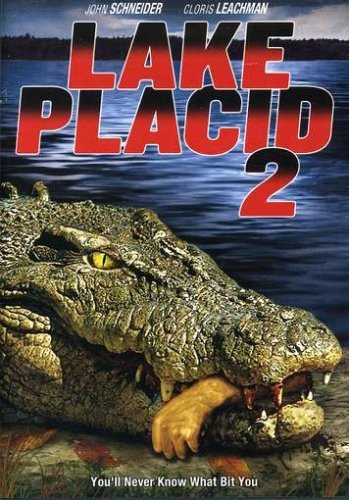
Set several years after the original, Lake Placid 2 reveals that the offspring of the first crocodiles have matured and taken control of Black Lake. Directed by David Flores, the sequel amplifies the carnage while continuing the Bickerman family’s strange connection to the creatures.
Local game warden Jack Struthers (John Schneider) investigates a series of disappearances near the lake, only to discover multiple crocodiles — younger, faster, and more aggressive than their parents. These offspring have inherited their ancestors’ intelligence and predatory instincts, hunting in pairs and ambushing boats with coordinated strikes.
The film establishes a key trait of the Black Lake lineage: accelerated growth and territorial defence. The crocodiles are not aimless monsters but organised hunters, protecting their nesting grounds and responding violently to intrusion.
The tone is leaner and more action-driven, but the creatures remain central — beautifully rendered through practical animatronics and early CGI. Their attacks retain the sudden ferocity that defined the original, each kill framed with a sense of inevitability.
By its end, several crocodiles are killed, but one nest remains undiscovered beneath the waterline, leaving the cycle unbroken.
Lake Placid 3 (2010)
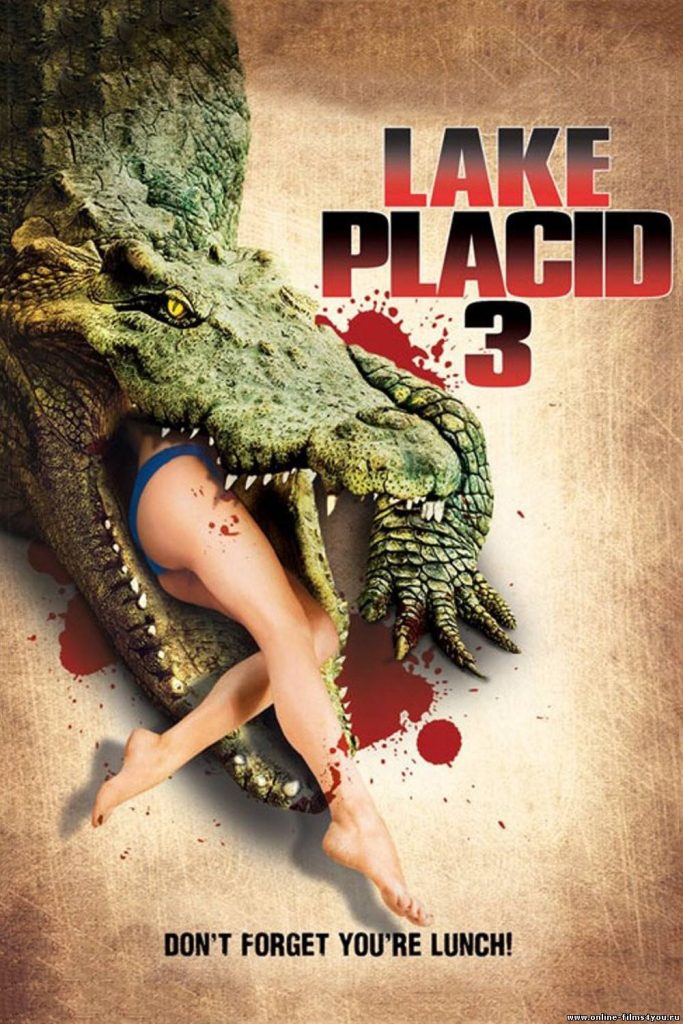
The third film pushes the legacy further, turning the Bickerman family’s curse into a generational tragedy. Nathan Bickerman, a wildlife ranger and relative of the late Delores, lives on the edge of the lake with his family, unaware that his young son has begun secretly feeding the baby crocodiles.
The results are catastrophic. The hatchlings, now numerous and starved for meat, grow rapidly and begin attacking both wildlife and people. As the crocodiles mature, their intelligence and boldness increase — they strike in daylight, breach barriers, and even attack vehicles on land.
The film treats the crocodiles almost as a force of nature. Their numbers and hunger overwhelm every attempt at containment, turning the rural setting into a battlefield. What begins as a family drama quickly transforms into a full-scale siege as the lake’s predators reclaim the surrounding land.
By the conclusion, the survivors manage to kill several of the beasts, but their victory feels hollow. Once again, unseen eggs remain. The crocodiles endure.
Lake Placid: The Final Chapter (2012)
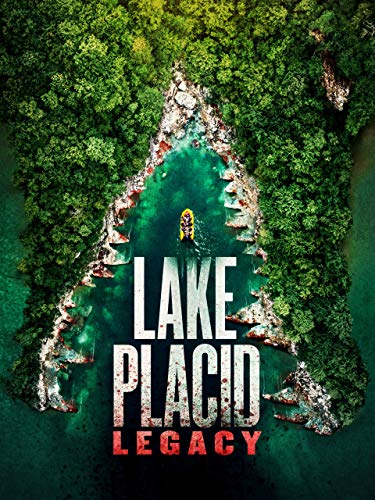
Despite its title, The Final Chapter proved anything but final. Directed by Don Michael Paul, the film opens years after the previous massacre, with the government having fenced off Black Lake as a restricted wildlife preserve. An electric barrier surrounds the area, and armed guards patrol the perimeter.
Inside, however, the crocodiles have thrived. Larger and more numerous than ever, they have turned the lake into a breeding ground. When a school trip accidentally breaches the security fence, the creatures escape, and the carnage resumes.
Here, the crocodiles are depicted as a fully developed species — coordinated, adaptable, and capable of ambush tactics beyond instinct. They are apex predators in every sense, embodying the evolution of their kind through generations of survival and experimentation.
The film also introduces Reba, a fierce hunter who returns to battle the creatures once more, linking the sequel era back to the tone of the original. The action is relentless, and while the film embraces its own camp excess, it continues the central idea that humanity’s control over nature is a fragile illusion.
By the end, several crocodiles are killed in explosions and gunfire, yet a new nest is discovered deep within the preserve. Even under containment, their lineage persists.
Lake Placid vs Anaconda (2015)
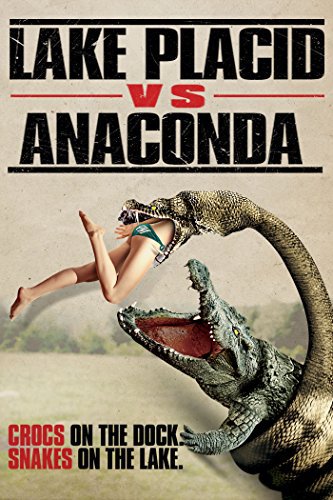
The franchise reached its most extravagant point with Lake Placid vs Anaconda, a crossover event uniting two of Syfy’s biggest monster properties. Here, the genetically enhanced anacondas from the Anaconda series encounter the descendants of the Black Lake crocodiles, resulting in pure spectacle.
Scientists attempting to capture and weaponise the surviving crocodiles trigger chaos when both species are released into the wild. The film’s tone is knowingly absurd, yet it delivers some of the most imaginative monster clashes ever seen on television. The crocodiles are shown as even larger than before, their skin thicker and their behaviour more strategic, adapting to fight the giant snakes in brutal territorial combat.
Though far removed from the atmospheric tension of the 1999 original, the film cements the crocodiles’ place as enduring pop-culture icons — capable of surviving, adapting, and even crossing genres.
Behaviour and Physiology
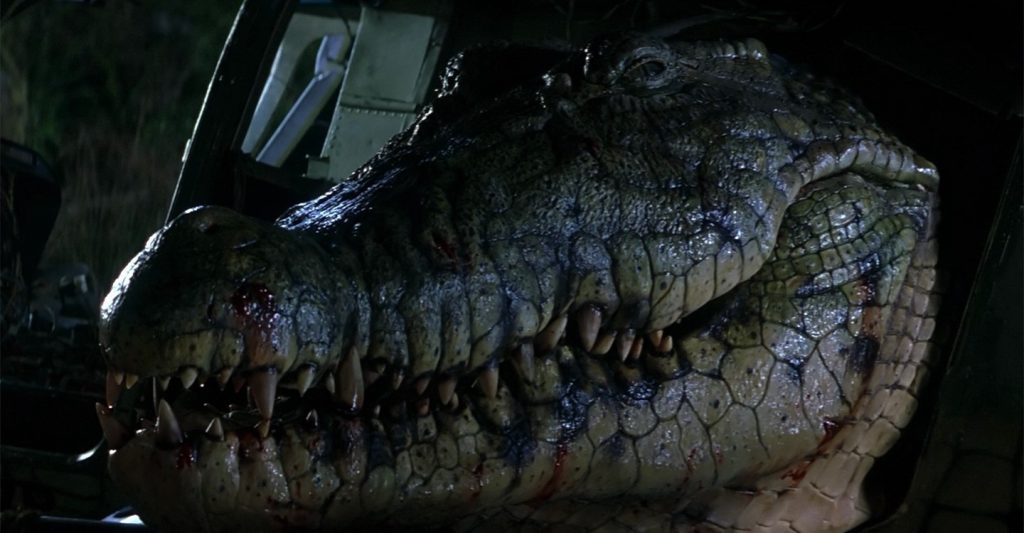
Across all appearances, the Black Lake Crocodile and its descendants display consistent traits: high intelligence, cold-water tolerance, rapid growth, and territorial aggression. Unlike real crocodiles, they display limited fear of humans and exhibit social hunting behaviour.
Their ability to survive freezing temperatures and their apparent longevity suggest a form of natural adaptation rather than mutation. Each generation becomes larger, more cunning, and more efficient at killing. They hunt not only in water but also on land, capable of short bursts of astonishing speed.
Their design remains iconic: rough scaled hides, yellow eyes that glint in darkness, and jaws that crush metal and bone alike. Even when the sequels grew more exaggerated, the creature’s core aesthetic never lost its primal menace.
Cultural Impact
The Lake Placid series helped revitalise creature cinema at the turn of the millennium. The first film’s blend of horror and humour influenced later productions like Eight Legged Freaks and Anaconda 2.
Betty White’s role as the crocodile-feeding widow became a cult touchstone, turning the franchise’s villain into an oddly sympathetic presence. Meanwhile, the later films embraced television-era excess, ensuring that the crocodiles remained relevant long after theatrical monster movies had waned.
Even now, the Black Lake Crocodile stands as a modern myth — not merely a monster, but an idea: that nature remembers, and it always hungers.
League Placement
The Black Lake Crocodile belongs in the Second Class Tier. It is a creature of evolution, survival, and sheer persistence — a reminder that nature’s oldest predators never truly vanish, they only wait.