
First Appearance: Friday the 13th (1980, mentioned); physically appears in Friday the 13th Part 2 (1981)
Created by: Victor Miller, Sean S. Cunningham, Tom Savini
Kill Count: 150+ (across films)
Portrayed by: Ari Lehman, Warrington Gillette, Richard Brooker, Ted White, C.J. Graham, Kane Hodder, Ken Kirzinger, Derek Mears
Bio
Jason Voorhees is horror’s unstoppable force — a silent juggernaut of vengeance born from tragedy. Supposedly drowned as a child at Camp Crystal Lake due to the negligence of his counselors, Jason returns in adulthood to avenge his mother’s death. With towering strength, a hockey mask, and a machete, Jason is pure slasher iconography: expressionless, relentless, and nearly invincible.
What began as a campfire legend became a franchise myth. Jason starts as a backwoods killer, but by Part VI, he’s resurrected as an undead revenant — walking death with no remorse or fear. While mute, his body language speaks volumes: pain, rage, and persistence. His story isn’t complex — but his impact is enormous.
Film Appearances
Friday the 13th (1980)
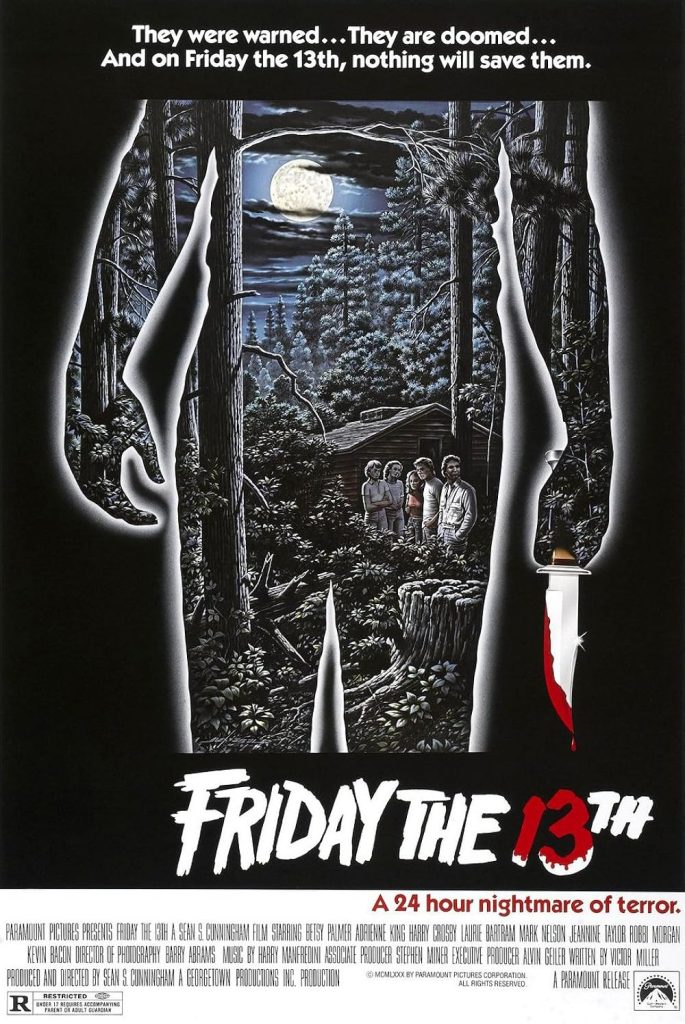
In the original Friday the 13th, Jason Voorhees is not the killer — but his absence is what fuels the horror. Presumed to have drowned as a child at Camp Crystal Lake due to negligent counselors, Jason becomes the phantom motivation for his mother Pamela Voorhees, who carries out a murderous revenge spree in his name. He is spoken about in whispers, remembered in tragedy, and honored with rage. Though he’s physically absent, Jason’s legacy hangs over the entire film like a ghost.
The final moment changes everything. After Alice survives the massacre and drifts in a canoe across the lake, Jason appears — deformed, waterlogged, and suddenly very real — leaping from the water in a terrifying dreamlike jump scare. Whether hallucination or supernatural event, it’s the birth of Jason the myth: a boy who never drowned, a spirit seeking vengeance, or something else entirely. That single scene — a wordless, violent lunge from beyond — laid the groundwork for Jason to become horror’s ultimate revenant.
Friday the 13th Part 2 (1981)
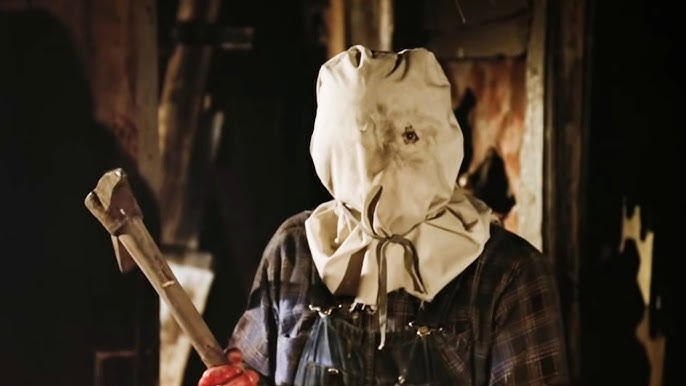
Friday the 13th Part 2 marks the first time Jason Voorhees steps out of the shadows and takes on the role of killer — though he’s a far cry from the undead slasher icon he would become. Here, Jason is flesh and blood, very much alive and driven by grief and vengeance. Still human and surprisingly agile, he stalks counselors around a neighboring camp wearing a burlap sack over his head, with only one eye exposed — a raw, unnerving visual that adds to his brutality and mystery.
This early version of Jason is more emotional, more erratic. He runs, grunts, and reacts to pain, suggesting a deep well of rage and trauma rather than cold calculation. His connection to his mother’s death is central — he builds a shrine to her severed head in a candlelit shack, complete with her sweater and makeshift altar. He’s portrayed as a twisted man-child, lashing out to avenge the only person who ever cared for him. While rough around the edges, this film is essential in shaping Jason’s psychological core — a victim turned monster, now driven by blind loyalty and inherited rage.
Friday the 13th Part III (1982)
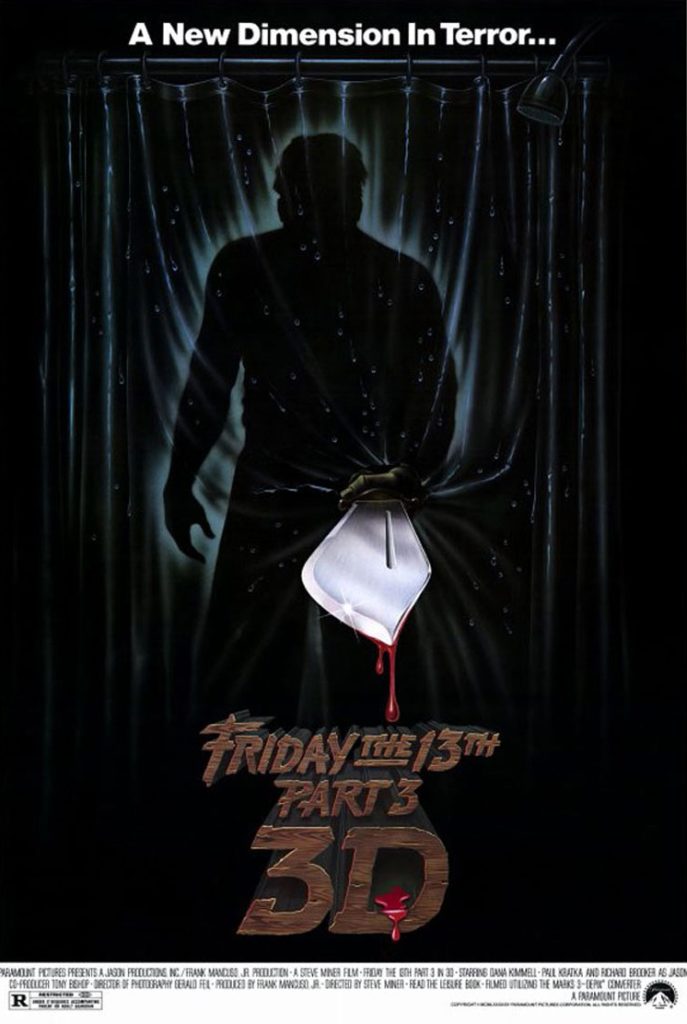
Part III is where Jason Voorhees truly becomes Jason. This film marks a major evolution in his identity — visually, physically, and symbolically. For the first time, Jason dons the now-iconic hockey mask, transforming him from a disfigured backwoods avenger into a full-fledged horror icon. That simple mask — blank, expressionless, unknowable — becomes as synonymous with terror as the machete he wields. From this point forward, Jason is no longer just Pamela’s vengeful son; he’s the embodiment of silent, unstoppable retribution.
Though still technically human, Jason’s presence in Part III begins to feel larger than life. He’s portrayed as hulking, physically dominant, and emotionally detached. Gone are the shrieks or grunts of Part 2 — this Jason is cold, efficient, and eerily calm as he dispatches victims with increasing creativity and brutality. Whether crushing a skull with his bare hands or stalking through shadows without a word, Jason exhibits a growing sense of inevitability. He doesn’t chase — he advances. He doesn’t speak — he strikes. In Part III, Jason Voorhees becomes the face of slasher cinema.
Friday the 13th: The Final Chapter (1984)
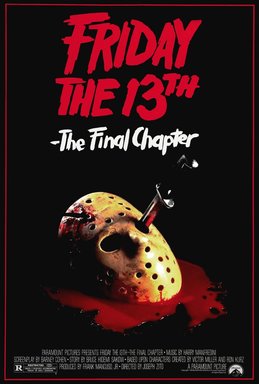
In Friday the 13th: The Final Chapter, Jason Voorhees is at his most brutal and unrelenting, yet paradoxically more human than he’s ever been. Portrayed by stuntman Ted White, this version of Jason is faster, angrier, and clearly capable of feeling pain. He bleeds, grunts, and reacts to injury in a way that makes him feel like a living, breathing engine of rage, not yet the undead figure he would become in later films. There’s a certain desperation in how he kills — not just vengeance, but pure, primal aggression.
What makes this entry particularly important is the emotional confrontation with young Tommy Jarvis, a horror-loving child who ultimately stops Jason through deception and extreme violence. Jason’s death in this film is drawn out and dramatic — he’s tricked into seeing Tommy as his younger self, then hacked down in a fit of raw panic. As he twitches and spasms on the floor, we see a rare moment of vulnerability in Jason. It feels final — like the end of a nightmare. Of course, the franchise would continue, but this was the last time Jason would be portrayed as a fully mortal killer — and his most human moment of all.
Friday the 13th Part V: A New Beginning (1985)
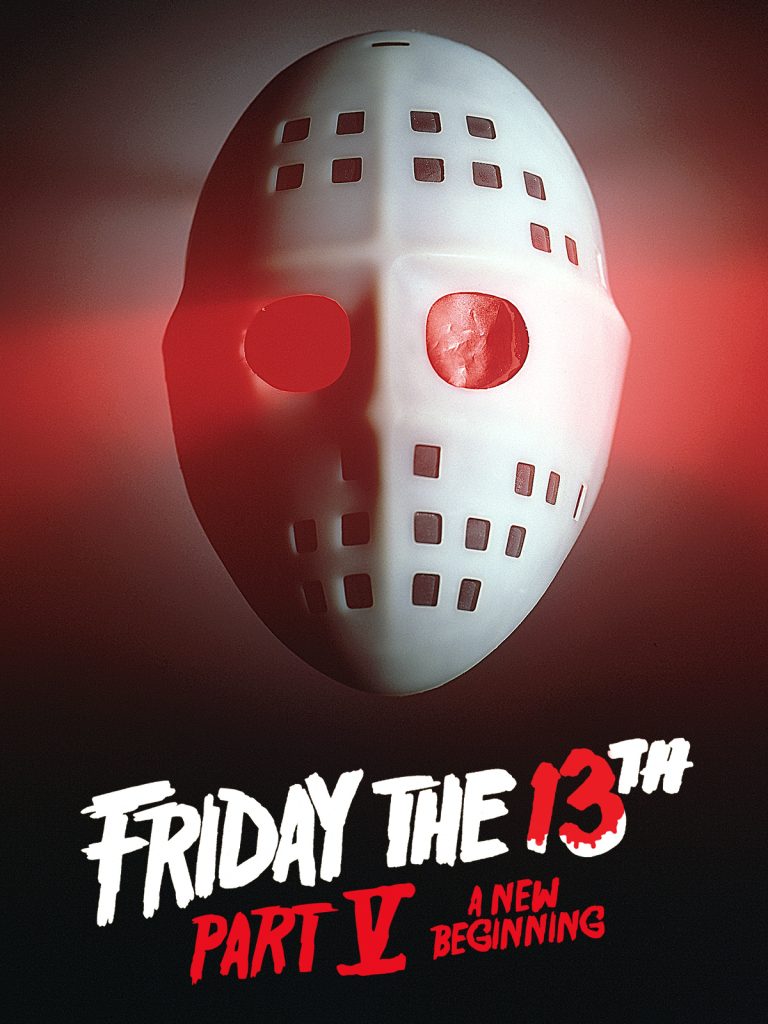
In A New Beginning, Jason Voorhees is both everywhere and nowhere. This controversial fifth installment takes a bold risk: Jason is not the actual killer. Instead, a copycat — ambulance driver Roy Burns — dons the mask and imitates Jason’s rampage after the death of his son. But despite the twist, the film is still saturated in Jason’s legacy. His presence haunts the narrative through hallucinations, nightmares, and violent memories, especially those experienced by Tommy Jarvis, now a traumatized teen struggling with his past.
This version of “Jason” is slightly off — his movements are different, his tactics inconsistent, and his mask features blue markings instead of red. It all feeds into the sense that something isn’t right. And that’s the point: A New Beginning explores what Jason means more than who he is. He’s a symbol of trauma, revenge, and unstoppable violence — one that can be mimicked, feared, and even “reborn” in the minds of others. While fans were disappointed by the fake-out, the film unintentionally deepened the mythology: Jason doesn’t need to be alive to kill. His legend is enough.
Friday the 13th Part VI: Jason Lives (1986)
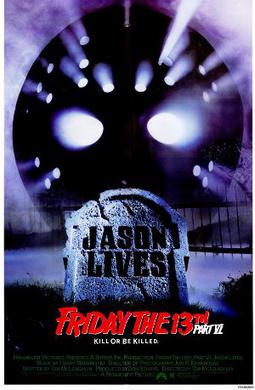
Jason Lives marks the true rebirth of Jason Voorhees — literally and figuratively. After being dead since Part IV and absent in Part V, Jason is resurrected in this film by a bolt of lightning, Frankenstein-style. From this moment forward, Jason is no longer a man — he is an undead revenant, a walking corpse fueled by rage and supernatural force. This change instantly elevates him from slasher villain to slasher legend. He’s now faster, stronger, immune to pain, and silent as the grave — a monster in the purest sense.
Director Tom McLoughlin infuses the film with gothic horror and tongue-in-cheek self-awareness, but Jason is anything but humorous. He is terrifying — bursting through walls, snapping bodies in half, and murdering with efficiency and strength far beyond anything human. Played by C.J. Graham, this Jason carries himself like a grim reaper, appearing without warning and moving like an unstoppable tank. The tone may wink at the audience, but Jason never does. His resurrection not only redefined his character, it gave him eternal status: Jason Voorhees doesn’t die. He simply waits.
Friday the 13th Part VII: The New Blood (1988)
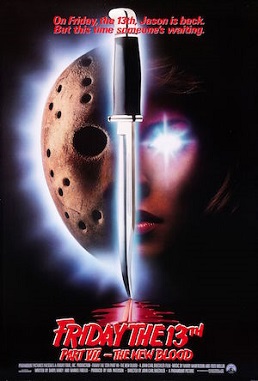
In The New Blood, Jason Voorhees is no longer just a killer — he’s a rotting corpse dragged from the bottom of Crystal Lake, and he looks the part. With exposed bone, waterlogged flesh, and a shattered mask, this is the most visually horrifying Jason to date. Brought to life again by a psychic teenager’s accidental powers, Jason emerges not just undead, but feral and primal, barely held together. It’s the first time audiences truly see what years of death and decay have done to him — and it’s terrifying.
Kane Hodder makes his debut as Jason, and his physical performance redefines the character. He breathes like a beast, moves with weight and brutality, and reacts with volcanic rage. Jason doesn’t just kill — he smashes, impales, and demolishes. The standout feature of this entry, though, is his first real challenge: Tina, a girl with telekinetic powers who fights back. Their final battle is explosive — literally — and forces Jason into a new kind of fight: one he can’t just walk through. Still, even burned and broken, Jason never slows. He’s now not just a slasher — he’s a supernatural force of destruction.
Friday the 13th Part VIII: Jason Takes Manhattan (1989)
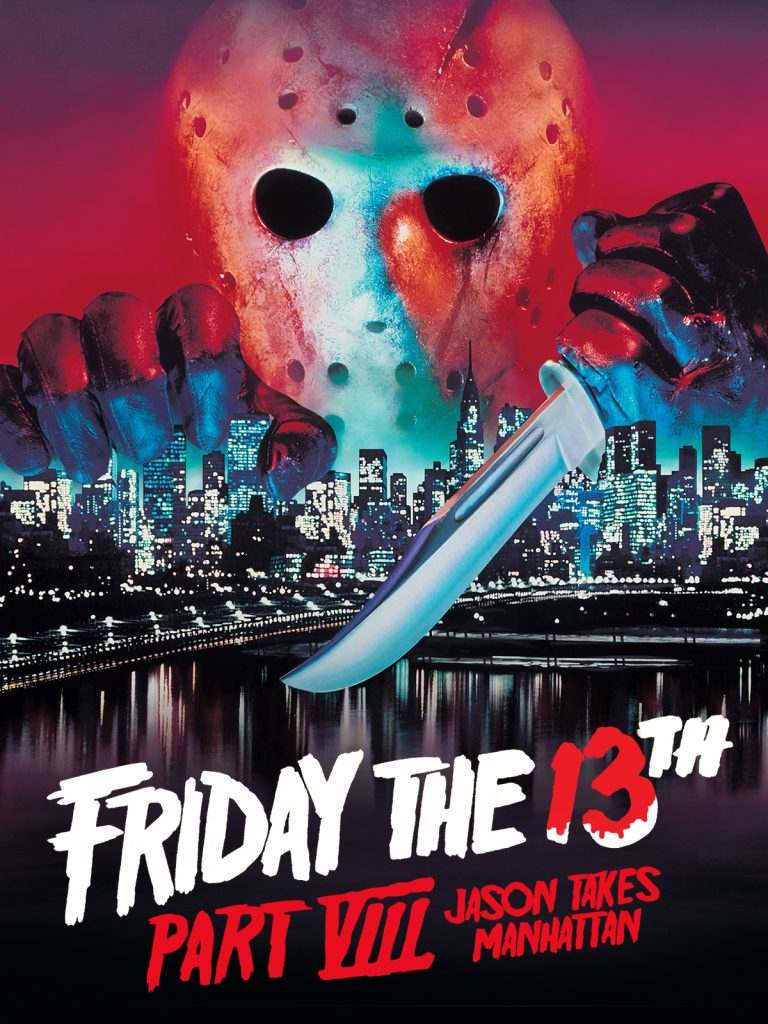
By the time Part VIII arrives, Jason Voorhees has become more than just a killer — he’s a cultural icon, and this film leans into that by putting him somewhere entirely new: the big city. Though the majority of the movie takes place on a cruise ship, Jason eventually arrives in Manhattan, and even in unfamiliar surroundings, he never loses his sense of menace. The film’s version of Jason, still portrayed by Kane Hodder, is massive, intimidating, and nearly silent — he doesn’t run or talk, but he still dominates every scene with sheer physical presence.
This Jason is almost mythological. He shrugs off attacks, walks through gunfire, and is more unstoppable than ever. He doesn’t need to adapt to his environment — his enemies must adapt to him. Whether stalking teens through narrow corridors or marching through Times Square, Jason is emotionless, methodical, and strangely regal in his destruction. One of the most memorable scenes — Jason knocking a boxer’s head clean off with one punch — perfectly captures his inhuman strength and deadpan ruthlessness. Even in one of the franchise’s most over-the-top entries, Jason remains its darkest constant: death in a hockey mask.
Jason Goes to Hell: The Final Friday (1993)
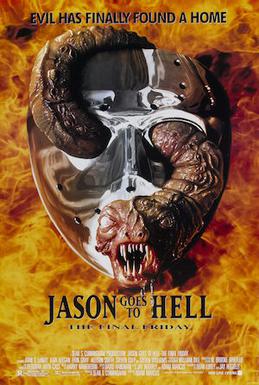
Jason Goes to Hell reimagines Jason Voorhees not just as a killer, but as a demonic entity — a parasite of evil that can possess other bodies. After being blown to pieces by a SWAT team in the opening sequence, Jason’s heart continues to beat — literally — and begins possessing others through a grotesque, body-hopping process. It’s a dramatic shift from the masked slasher of previous films, turning Jason into a kind of evil spirit that survives through resurrection and corruption, passed from host to host until he finds a way to be reborn through bloodline and ritual.
Jason himself is barely physically present for much of the film, but when he does return in his full, rotting form, he’s at his most monstrous. His body is bloated and warped from years of damage, with the mask almost fused to his face. Though controversial among fans, this film pushes Jason into mythic horror territory — no longer just a man or even an undead killer, but a force of evil with supernatural origin. The climax features his final death by magical dagger and a surprise ending: Freddy Krueger’s glove emerging from the ground to drag Jason’s mask to Hell — setting the stage for an iconic showdown a decade in the making.
Jason X (2001)
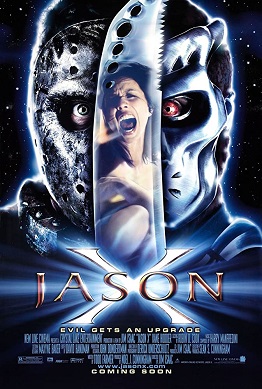
In Jason X, Jason Voorhees is propelled into the far future — and taken to space — but somehow, he’s more unstoppable than ever. After being cryogenically frozen in the early 21st century, Jason is awakened on a spaceship centuries later, where he resumes his brutal rampage against a crew of soldiers, scientists, and students. Despite the setting, Jason remains true to his nature: he stalks silently, kills creatively, and leaves a trail of carnage behind him. His presence is jarringly effective — an ancient evil loose in a sterile, high-tech environment.
But the most dramatic twist comes late in the film when Jason is accidentally upgraded after being severely damaged. Thanks to nanotechnology, he’s transformed into Uber Jason — a cybernetic monstrosity with enhanced strength, metal plating, red glowing eyes, and a new, ultra-lethal version of his machete. Uber Jason is near-indestructible, cutting through futuristic weaponry and doors with ease. Though the film is played for camp and self-aware humor, Jason’s core essence remains intact: a brutal, unkillable force that adapts to any environment, even the cold vacuum of space. It’s ridiculous — and yet strangely fitting for a character who refuses to stay dead or in one era.
Freddy vs. Jason (2003)
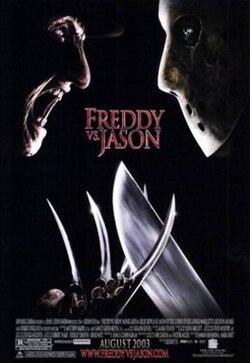
In Freddy vs. Jason, Jason Voorhees becomes a weapon — then a warrior. Manipulated by Freddy Krueger to spread fear and reawaken Freddy’s power, Jason is revived and unleashed upon the teens of Elm Street. But once Jason starts killing more than Freddy intended — and refuses to stop — the alliance breaks down into a bloody war. This version of Jason, played by Ken Kirzinger, is a massive, looming presence: silent, emotionally blank, and almost childlike in his obedience and confusion. He’s not driven by manipulation — he’s driven by instinct and rage.
Visually, Jason is monstrous. Towering over every character, dragging his bloodied machete behind him, he’s portrayed as a relentless tank of death, walking through walls and setting entire hallways ablaze. He also shows something rarely seen in previous films: a sense of vulnerability, especially when Freddy invades his dreams and manipulates his fear of water — a nod to his childhood drowning. Yet, when awakened, Jason is unstoppable, delivering some of the film’s most gruesome kills. The final brawl between him and Freddy is a brutal, gory spectacle that honors both characters. Jason walks away wounded but alive, machete in hand and Freddy’s head in tow — a silent victor who lets his violence speak for him.
Friday the 13th (2009)
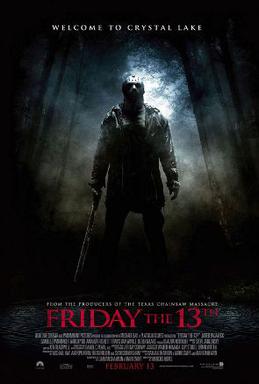
In the 2009 reboot, Jason Voorhees is redefined as a fast, intelligent, and highly tactical predator. No longer the slow-moving undead juggernaut of past sequels, this version of Jason — portrayed by Derek Mears — is leaner, more primal, and frighteningly efficient. He sets traps, moves quickly through forest terrain, and even uses underground tunnels to stalk and outmaneuver his victims. This isn’t a supernatural zombie — it’s a backwoods survivalist who knows the land and uses it to dominate anyone who enters.
Jason’s physicality in this film is brutal. He’s no longer just a mindless killer; there’s intention behind every action. He kidnaps, hides bodies, and guards his territory like a wild animal whose domain has been invaded. The film briefly shows him in his sack-headed form (a nod to Part 2), before he discovers the iconic hockey mask. The kills are vicious, grounded, and often surprisingly quick — reflecting the no-nonsense intensity of this Jason. Though the reboot doesn’t break new narrative ground, it succeeds in restoring Jason’s menace. He’s not undead. He doesn’t need to be. He’s a hunter — and Crystal Lake is his territory.
Other Media
- Comics: Appears in Freddy vs. Jason vs. Ash, Jason X spin-offs, and several solo titles.
- Video Games: Featured in Friday the 13th: The Game, Mortal Kombat X, NES titles, and countless indie horrors.
- Pop Culture: From rap lyrics to TV cameos, Jason’s hockey mask is one of horror’s most enduring images.
League Placement
Legendary Class
Jason Voorhees is fear made flesh — silent, unstoppable, and eternal. Whether walking the woods or stalking Manhattan, Jason is the shadow behind every tree and the face behind every slasher mask.