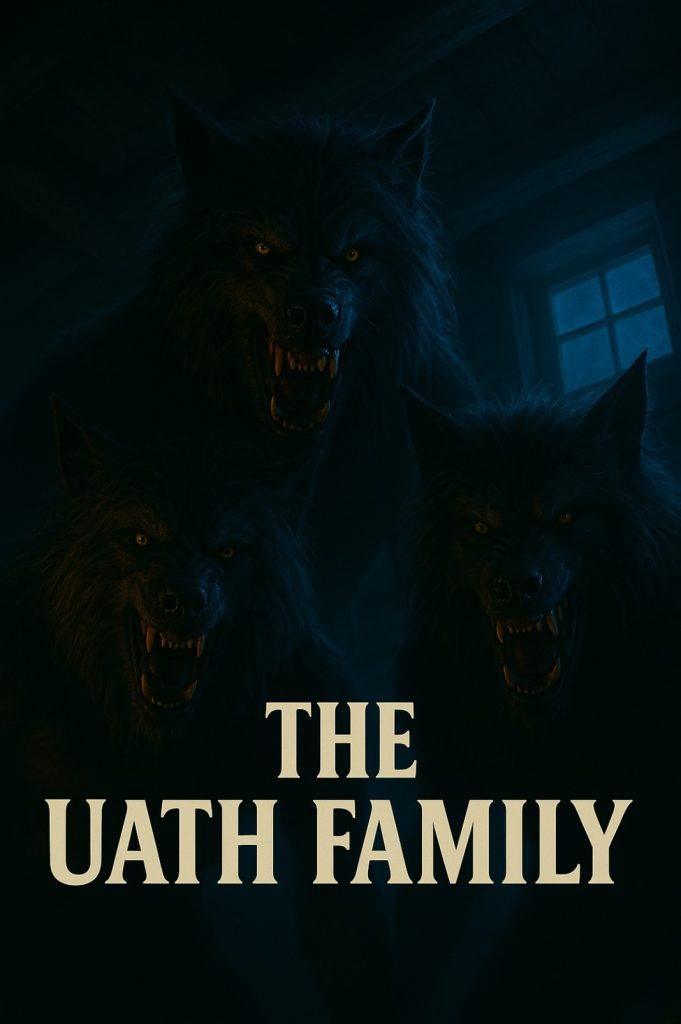
Also Known As: The Uath Family, The Werewolves of Glen Uath, The Highland Pack
First Appearance: Dog Soldiers (2002)
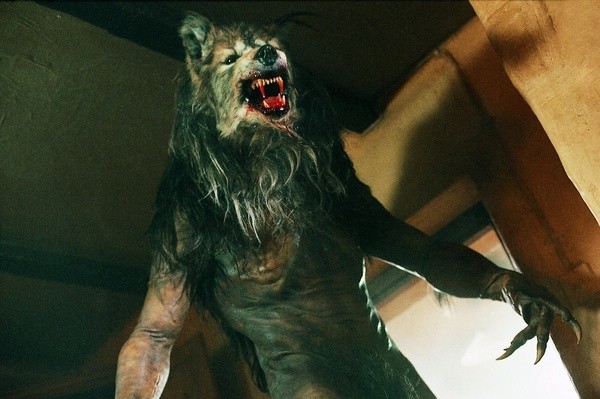
Most Iconic Form: Towering, lupine humanoids with elongated limbs, clawed hands, and sleek, wolf-like heads silhouetted in moonlight
Kill Count: Entire army squad (plus multiple implied victims)
Portrayed by: Brian Stirner, Neil Marshall’s creature team (suit performances)
Tier: Second Class Tier
Dog Soldiers (2002)
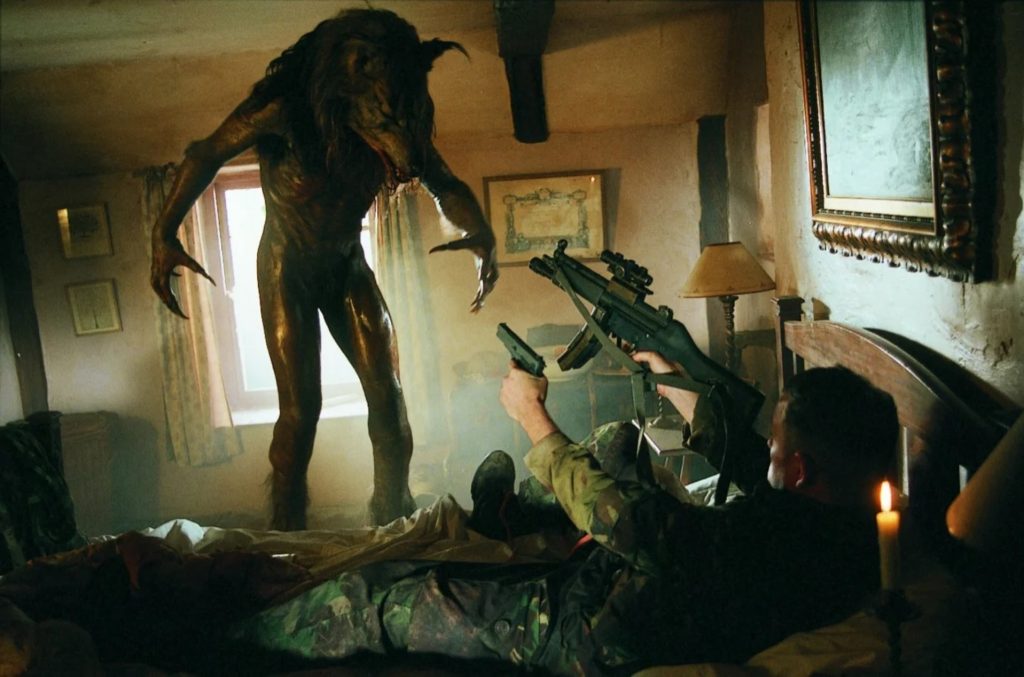
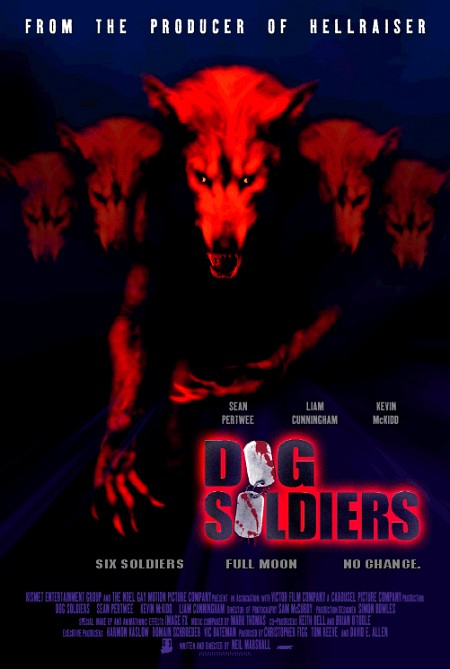
Neil Marshall’s Dog Soldiers is one of the most celebrated British horror films of the 2000s — a gritty blend of military action and primal monster terror. The film begins when a squad of British soldiers, led by Sergeant Harry Wells and Private Cooper, embark on a routine training mission in the remote Scottish Highlands. What they find instead is the mutilated remains of another unit and a lone survivor raving about monsters.
The soldiers soon learn that they are not up against any human threat. As night falls, shapes move in the mist, and howls echo across the moor. The attackers reveal themselves as members of the Uath Family — an isolated clan of werewolves who have lived for generations in the surrounding glen.
The Uaths are no mindless beasts; they are organised, territorial, and cunning. They hunt with pack coordination, herding their prey toward traps and weak points. Their physicality is terrifying — each creature stands over seven feet tall, with digitigrade legs, lean musculature, and black fur shimmering in the moonlight. The production used practical suits and puppetry rather than CGI, resulting in an eerie realism.
When the soldiers retreat to an isolated farmhouse, the Uaths lay siege. The ensuing standoff — part Aliens, part Assault on Precinct 13 — pits human strategy against feral instinct. As the night wears on, ammunition dwindles, and the men realise they are fighting a losing battle. The Uaths tear through walls, windows, and flesh, their attacks brutal and efficient.
The film’s climax reveals the true horror: the farmhouse belongs to the Uath Family themselves. The werewolves’ human forms are the same locals who welcomed the soldiers earlier in the day. The creatures are not cursed strangers — they are the land’s rightful predators, defending their home against intrusion.
Sergeant Wells’s heroic sacrifice and Cooper’s desperate escape at dawn cement Dog Soldiers as both a war film and a survival horror masterpiece.
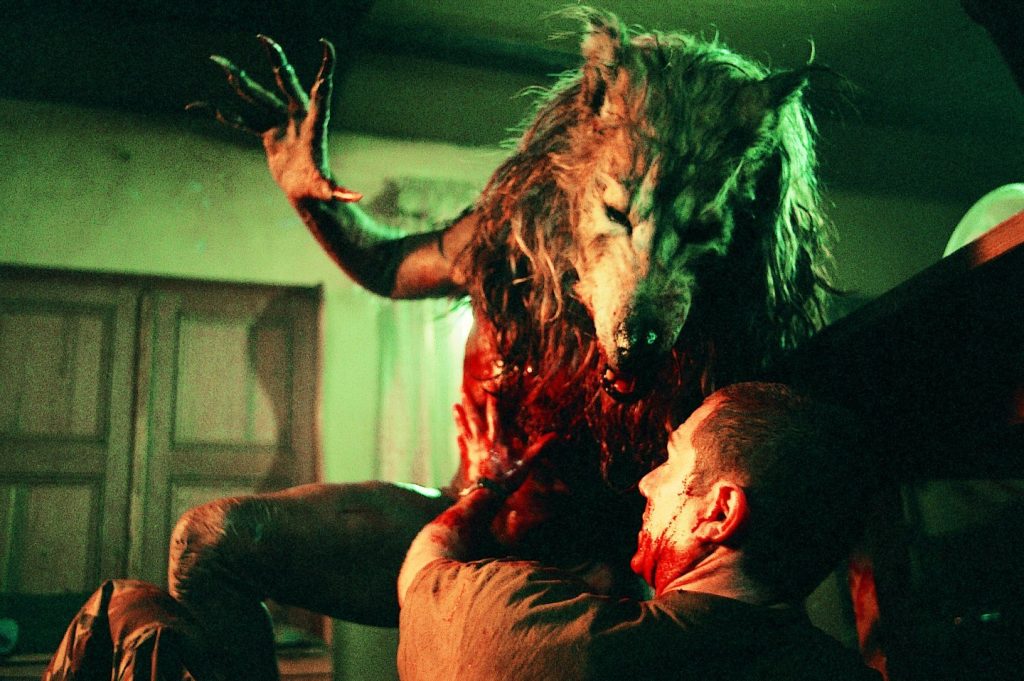
The Nature of the Uath Family
Unlike traditional cinematic werewolves, the Uath Family are not tragic victims of a curse but an inherited bloodline. Their transformation is instinctual and predatory, tied to territory and moonlight rather than moral struggle.
In human form, they appear as an ordinary Highland family — reclusive, rough, and wary of outsiders. Once transformed, they retain pack intelligence, capable of stalking, strategising, and adapting. Their kills are clean, efficient, and ritualistic, suggesting both hunger and a sense of order.
The Uaths are symbolic of nature reclaiming dominance over humanity — a theme central to Dog Soldiers. The soldiers’ guns and discipline are useless against the raw power of the natural world embodied in these creatures.
Psychology and Behaviour
The Uath Family operate on instinct, loyalty, and the primal hierarchy of the pack. They are protective of their territory and respond to trespass with lethal force. Their behaviour reflects both animal aggression and familial unity — they are not evil, simply apex predators defending what is theirs.
Their intelligence sets them apart from many cinematic werewolves. They show tactical awareness, retreating and regrouping when necessary, and display clear communication within the pack. Their ability to plan, ambush, and coordinate attacks elevates them beyond mindless monsters.
Cultural Impact
Dog Soldiers revitalised the werewolf genre for a new generation. The Uath Family’s design and practical effects, created under tight budget constraints, became a benchmark for creature performance. Their tall, sinewy forms remain among the most striking depictions of lycanthropy in film — realistic, physical, and terrifyingly human.
The film’s blend of camaraderie, dark humour, and gore also redefined British horror for the early 2000s, paving the way for works like The Descent and 28 Days Later. The Uath Family embody that balance — horrific, yet grounded in local folklore and realism.
Despite never appearing in a direct sequel, their legacy endures in Dog Soldiers’ devoted cult following. Fans continue to speculate on the family’s origins, bloodline, and whether Cooper himself may have been infected in the film’s ambiguous closing moments.
League Placement
The Uath Family belong in the Second Class Tier — feral, intelligent, and deeply atmospheric. Though confined to one film, their influence and design make them one of modern horror’s finest creature creations.