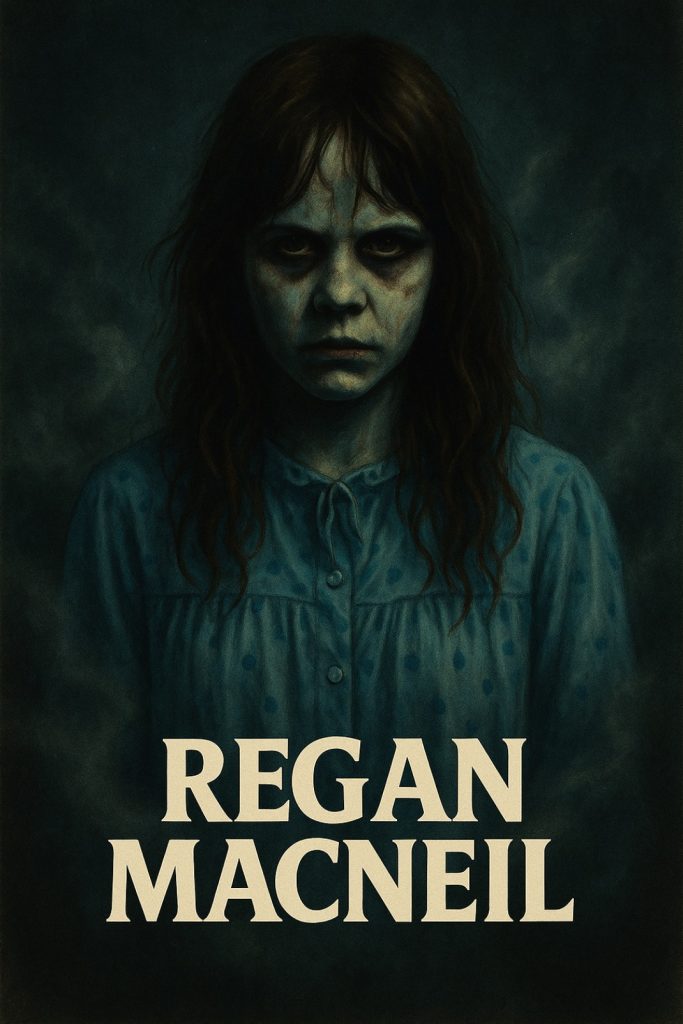
Also Known As: Regan MacNeil, Captain Howdy Host, Pazuzu’s Host
First Appearance: The Exorcist (1973)
Most Iconic Form: A young girl with mutilated features, green vomit, levitation, and a guttural demonic voice
Kill Count: Limited, but defined by her possession’s violence and desecration
Portrayed by: Linda Blair
The Exorcist (1973)
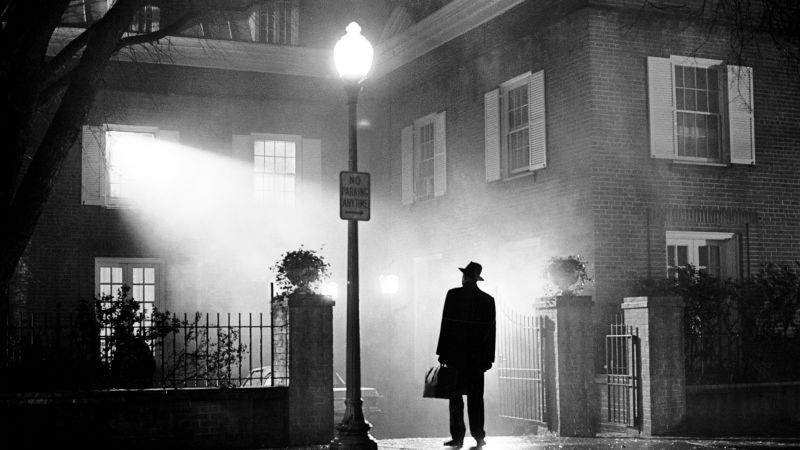
William Friedkin’s The Exorcist begins innocently enough, with Regan MacNeil introduced as the twelve-year-old daughter of actress Chris MacNeil. She is bright, curious, and playful, but her life begins to unravel when she experiments with a Ouija board and makes contact with an entity she calls “Captain Howdy.” What starts as a child’s game slowly reveals itself as something far darker.
Regan’s behaviour soon deteriorates beyond the bounds of medicine or psychology. She swears obscenities in voices not her own, lashes out with violent strength, and endures terrifying physical changes. Her body becomes host to blasphemous acts — she desecrates religious symbols, assaults her mother, and mutilates herself with violent abandon. Most shocking are her supernatural abilities: she levitates, her head twists 180 degrees, and she spews green bile across anyone attempting to subdue her.
The possession culminates in the arrival of Father Merrin and Father Karras, priests summoned to perform an exorcism. Their ritual battle against the demon is brutal and unrelenting, pushing the priests to their limits. Merrin dies of heart failure, leaving Karras to sacrifice himself by inviting the demon into his own body and leaping from a window, ending both his life and the ordeal. Regan survives, restored to innocence but scarred by what has been done through her.
Exorcist II: The Heretic (1977)
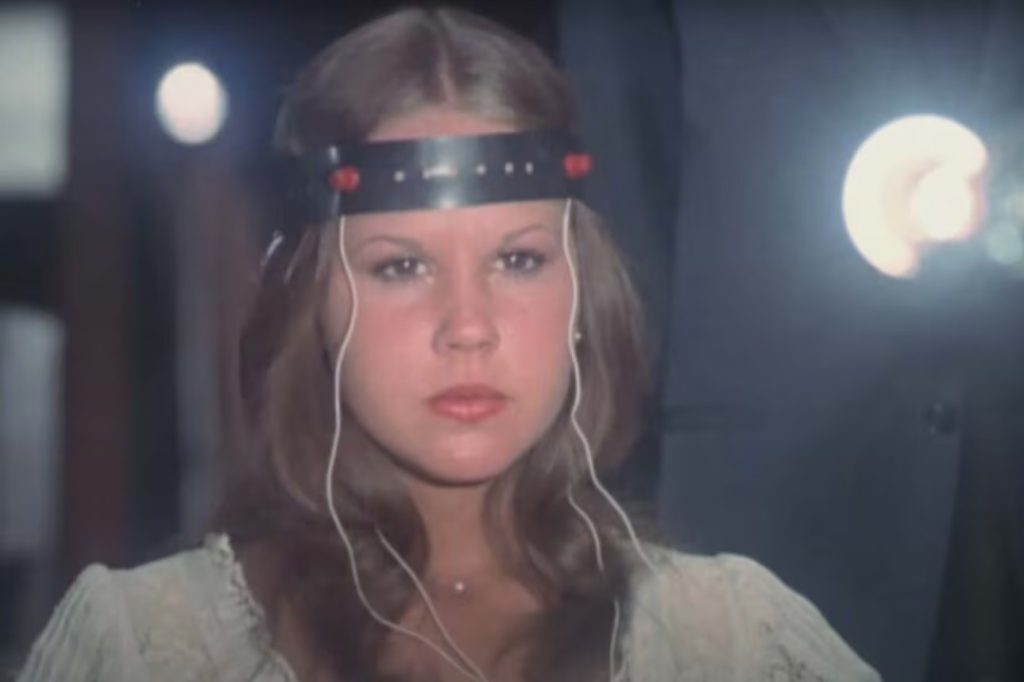
The sequel explores Regan as a teenager in therapy, attempting to process the trauma of her possession. Though she has no memory of the events, the demon’s shadow lingers, influencing her dreams and threatening to reclaim her. While the film was criticised for incoherence and surreal tangents, it positioned Regan as a girl caught between normal adolescence and the dark mark left by her possession.
The Exorcist Television Series (2016–2017)
In the television continuation, Regan appears under the alias Angela Rance, attempting to live an ordinary life after years of hiding from her past. When new possessions erupt within her family, her history is revealed. This reinterpretation presents Regan as an adult still haunted by Pazuzu’s grip, unable to escape the legacy of what was forced upon her as a child.
Infamy of Regan MacNeil
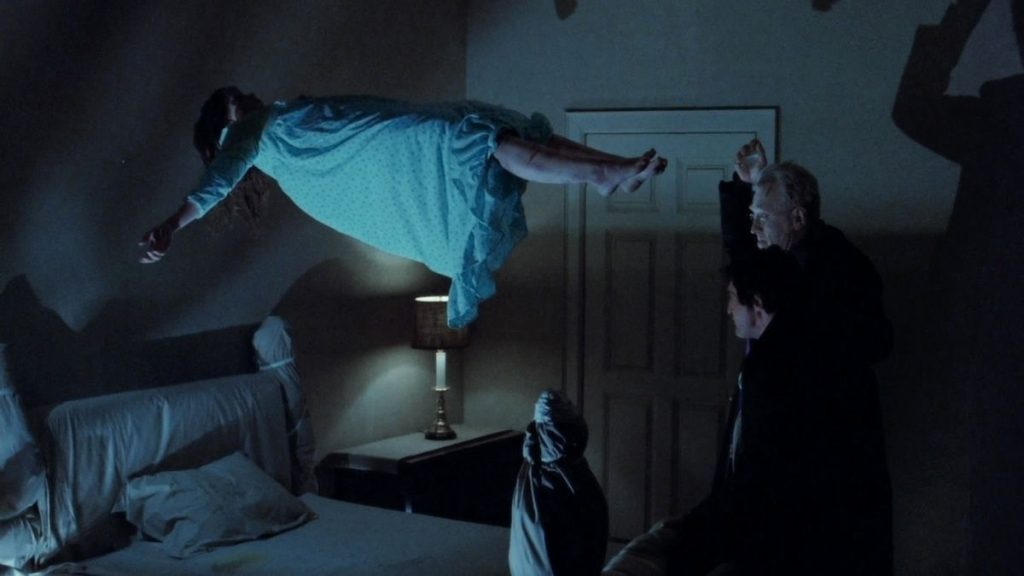
Regan is not a killer in her own right; she is a vessel for Pazuzu, a demon who corrupts her body and voice to shock, desecrate, and destroy faith. What places her in the Infamous Class is the extremity of what is shown through her: scenes of sexual blasphemy, graphic mutilation, projectile vomiting, and physical contortion so shocking that they caused fainting, mass walkouts, and worldwide controversy upon release.
Regan became the face of possession horror. Her image — a once innocent child distorted into a grotesque monster — is one of the most recognisable in all of cinema. She is a cultural shorthand for evil, corruption, and innocence lost, ensuring that even those who have never seen The Exorcist know who she is.
Cultural Impact
- The most infamous depiction of possession in cinema, spawning endless parodies and imitations
- Linda Blair’s performance, combined with Friedkin’s direction, became a cornerstone of horror acting
- Inspired debates about censorship, Catholicism, and the psychological effects of horror on audiences
- Regan’s imagery — the rotating head, the crucifix desecration, the guttural demon voice — remains burned into pop culture over fifty years later
- Continues to influence modern possession films from The Conjuring to The Pope’s Exorcist
League Placement
Regan MacNeil is cemented in the Infamous Class Tier. She is not infamous for kills or body count, but for what she represents: the corruption of innocence, the power of shock, and the ability of horror cinema to transgress boundaries and scar the cultural imagination.