
Full Name: Carrietta N. White
First Appearance: Carrie (novel, 1974); Carrie (film, 1976)
Most Iconic Form: Blood-soaked prom queen with psychic rage
Kill Count: 70+ (1976 film; gym massacre + town destruction implied)
Carrie (1976) – “They’re All Gonna Laugh at You”
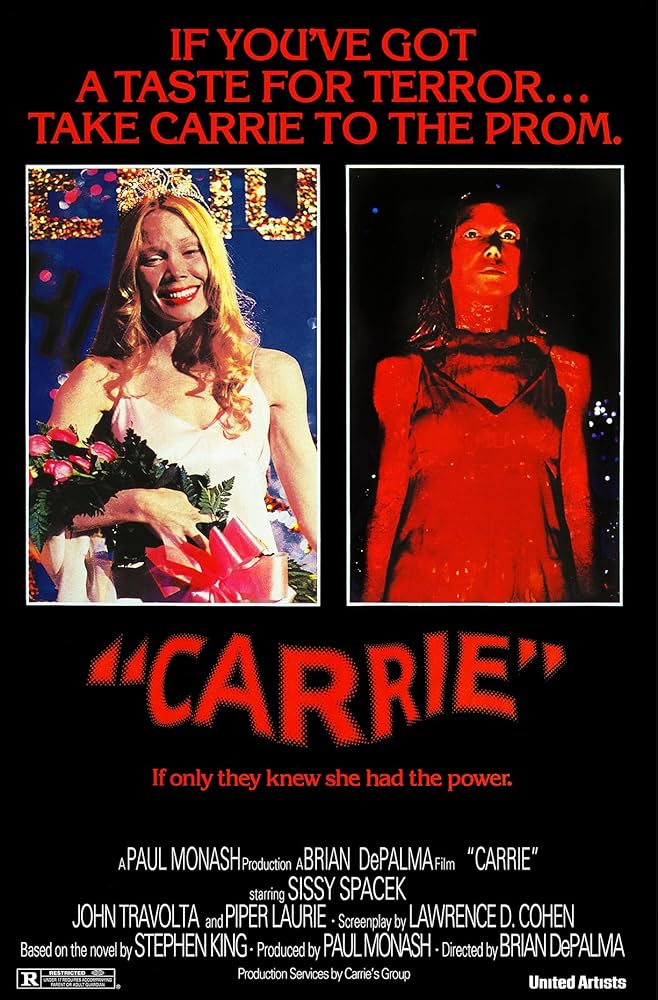
Directed by Brian De Palma, the original Carrie is a tragic horror masterpiece. Carrie White is a shy, repressed teenager tormented at school and abused at home by her ultra-religious mother, Margaret. Her humiliation reaches a boiling point after a cruel prom prank — being drenched in pig’s blood onstage.
This moment triggers Carrie’s latent telekinetic powers, which she uses in a blind rage to slaughter her classmates, destroy the gym, and set the town ablaze. Her descent into chaos is brutal, but deeply sympathetic. She is not a sadist — she’s a victim who snaps. And her final confrontation with her mother ends in a twisted, almost Biblical release.
Sissy Spacek’s haunting performance, the split-screen carnage, and the iconic closing jump scare solidify this version of Carrie as legendary horror canon.
The Rage: Carrie 2 (1999) – Sister of the Storm
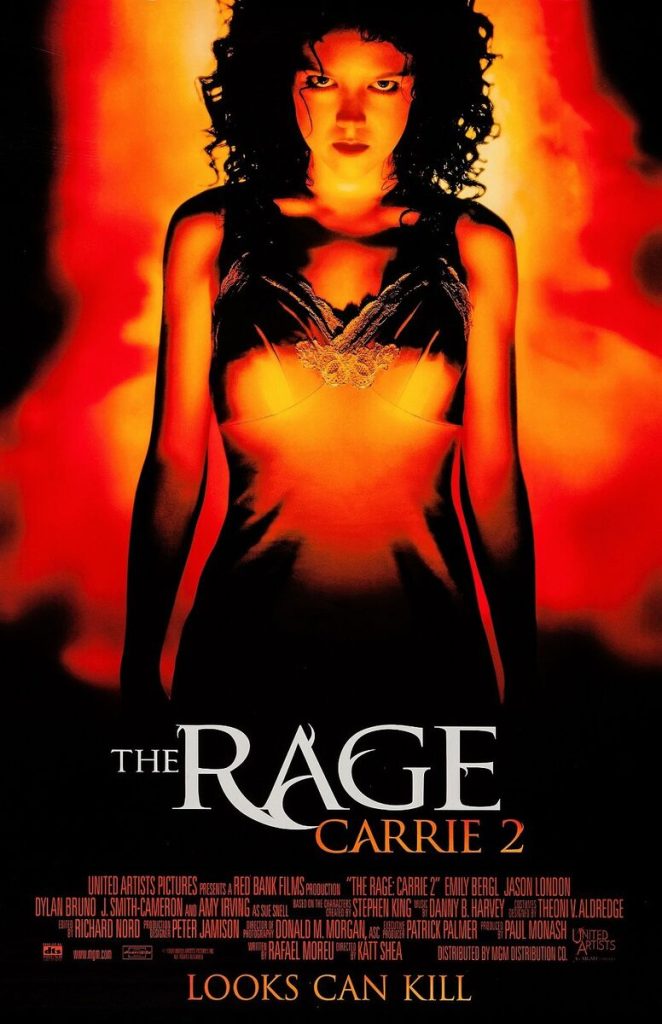
Set in the same timeline as the 1976 film, The Rage follows Rachel Lang, a troubled teen who discovers she is Carrie White’s half-sister — and also telekinetic. After a friend’s suicide and her own mistreatment by a cruel group of jocks, Rachel’s powers begin to awaken. What begins as grief soon turns into vengeance.
Carrie White appears via archival footage and flashbacks, and her legacy is central to the plot: her name is whispered with fear, and her story treated like a myth or warning. Rachel’s arc mirrors Carrie’s — bullied, isolated, and pushed to the edge — but unlike her sister, she survives longer and fights back with more purpose.
While not as iconic as the original, The Rage has developed a cult following for its late-’90s aesthetic, angry feminist edge, and updated take on high school cruelty.
Carrie (2002) – Made-for-TV Metamorphosis
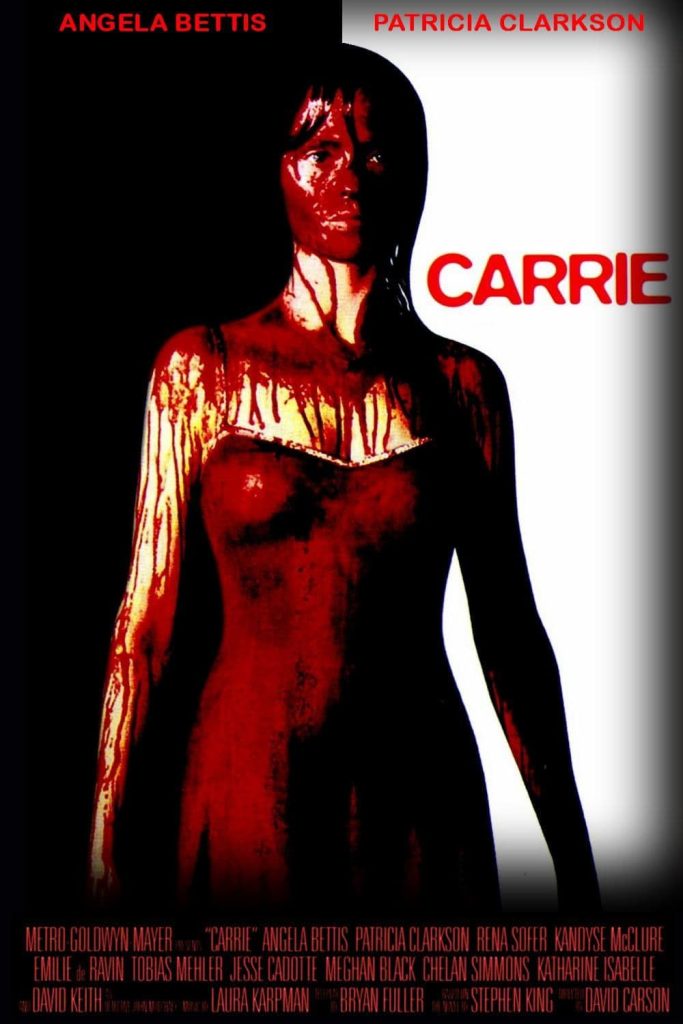
This television adaptation starred Angela Bettis as a more subdued, emotionally fragile Carrie. The film stays closer to Stephen King’s novel, including the use of investigative interviews and aftermath reports as narrative framing.
In this version, Carrie is more aware of her abilities, testing them in private before the prom. The portrayal of her trauma is quieter, but still devastating. The prom massacre is less visually striking but expands the lore with more aftermath: Carrie survives longer and is interrogated by authorities before dying.
Though it lacks the cinematic power of De Palma’s version, Bettis’ performance is often praised for its nuance and vulnerability, making this a solid reinterpretation for TV audiences.
Carrie (2013) – A Modernized Retelling

Directed by Kimberly Peirce and starring Chloë Grace Moretz, this remake updates the setting for a digital age. Cyberbullying, smartphones, and viral humiliation are added to the mix, making Carrie’s alienation even more modern — and public.
Julianne Moore plays Margaret White with eerie restraint and cold fanaticism. This version also emphasizes Carrie’s growing control of her telekinesis — using it with precision even before prom night.
The blood drop, once shocking, feels rehearsed here — and Moretz’s performance is more confident than previous Carries, altering the dynamic from tragedy to revenge tale. The final rampage is more CGI-heavy and action-oriented, but still delivers a satisfying emotional arc for a new generation.
Carrie: The Musical – A Cult Catastrophe
Debuting on Broadway in 1988, Carrie: The Musical is infamous for being one of the biggest flops in theatre history — but it later gained a devoted cult following. Featuring songs like “And Eve Was Weak” and “Evening Prayers,” it leans hard into the Biblical allegory of repression and wrath.
Despite technical missteps and tonal awkwardness, the musical captures Carrie’s inner world in a way other versions can’t: through voice, rather than silence. The 2012 Off-Broadway revival reworked the material and found greater critical success, solidifying Carrie’s unusual but lasting place in horror theater.
Powers & Personality
- Telekinesis: The primary ability, triggered by emotional stress and growing in strength
- Precognition (novel only): Occasional visions of future events or feelings of dread
- Empathy & repression: Carrie is painfully aware of her outsider status
- Unstable control: Her powers overwhelm her rather than serve her — until the very end
Cultural Impact
- The original Carrie was the first Stephen King novel adapted to film
- Inspired characters like Eleven (Stranger Things), Charlie McGee (Firestarter), and Ginger (Ginger Snaps)
- Parodied and referenced in Scream, Scary Movie, Riverdale, and The Simpsons
- A horror and LGBTQ+ icon — representing the rage and grief of the misunderstood outsider
- Continues to be studied for its themes of religious trauma, bullying, menstruation, and female power
League Placement
Carrie White belongs in the First Class Tier — a killer made, not born. She is the human tragedy of horror: vulnerable, abused, and ultimately devastating. Her rampage isn’t driven by madness, but by heartbreak — and that’s what makes her unforgettable.